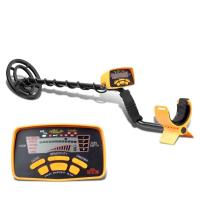
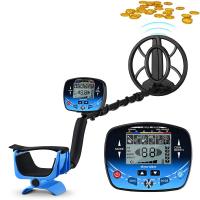
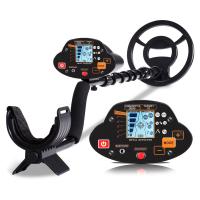
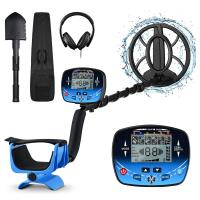
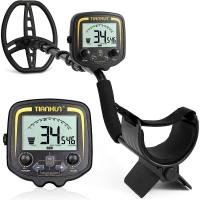
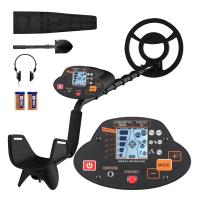
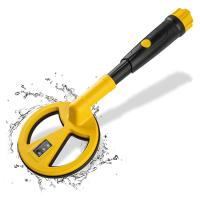
Which Professional Metal Detector?
Choosing the Right Professional Metal Detector: A Comprehensive Guide
Metal detecting has grown from being just a hobby to becoming a serious profession in various industries such as archaeology, construction, security, and even treasure hunting. With advancements in technology, professional-grade metal detectors are now more precise, versatile, and efficient than ever before. But choosing the right metal detector depends on several factors — including your purpose, environment, and specific needs. In this article, we will explore key considerations to help you select the best professional metal detector, address common challenges, and provide insights into optimizing its use.
Understanding Your Use Case

Professional metal detectors come with a variety of features designed to cater to different applications. Your use case dictates what kind of device you'll need, as the ideal detector for finding buried relics isn't the same as one used for security inspections. Broadly, professional use cases can be categorized into the following:
1. Treasure Hunting and Relic Searching
If your goal involves finding gold coins, historical artifacts, or buried treasure, you'll need a detector designed for deep penetration and discriminating between metal types. Many detectors feature advanced target ID capabilities to distinguish between valuable metals and trash targets like nails or pull tabs.
2. Geological or Gold Prospecting
Prospectors looking for natural gold deposits or nuggets require detectors with high sensitivity to small metal objects. Specialized gold detectors operate on higher frequencies to better pick up the conductivity of gold within mineralized soils.
3. Construction and Utility Location
Professionals in construction often use detectors to locate buried utility lines, pipes, nails, or other metallic elements that could interfere with projects. These detectors need pinpoint accuracy and depth detection capabilities.
4. Security and Law Enforcement
Security professionals use handheld metal detectors for screenings and checkpoints. Devices used for security purposes are optimized for detecting weapons or other hidden, prohibited metallic objects.
5. Archaeological Surveys
Archaeologists require metal detectors with excellent ground balancing to differentiate between soil compositions while locating artifacts in historically significant regions.
Identifying the use case will inform the features and specifications to prioritize when buying your metal detector.
Key Features to Consider When Selecting a Professional Metal Detector
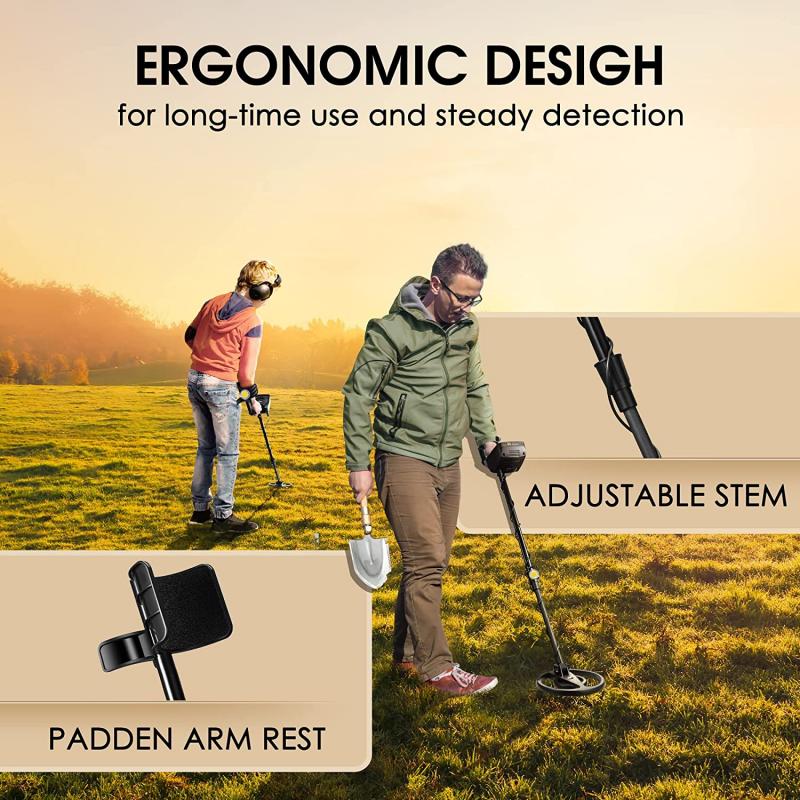
Professional-grade metal detectors can vary significantly based on their capabilities, and having the right features tailored to your needs is essential. Below are the key elements to consider:
1. Detection Depth
Detecting deep objects is crucial for many professional applications. High-powered detectors equipped with advanced algorithms can detect objects several feet below ground. If depth is a primary concern, choose detectors with adjustable sensitivity settings and larger search coils.
2. Ground Balancing
Different terrains pose unique challenges — mineralized soil, rocky ground, or sandy beaches can interfere with normal detection. Detectors with dynamic ground balancing reduce false signals by automatically adjusting for soil conditions.
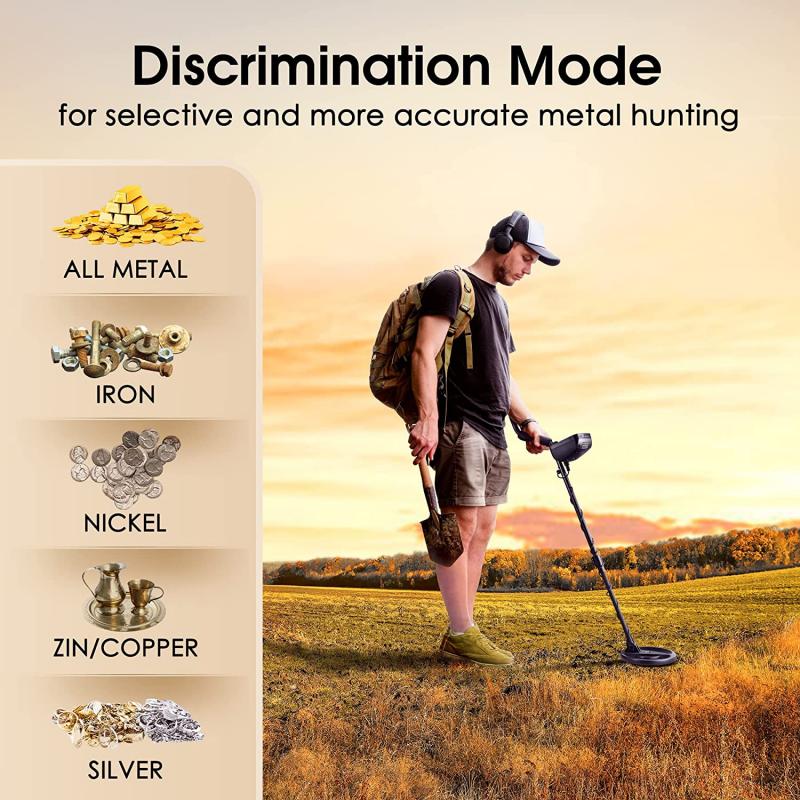
3. Discrimination and Target ID
Discrimination features allow you to filter out unwanted junk metals like iron while prioritizing valuable targets like gold and silver. Target ID technology provides visual or auditory cues to distinguish between different types of metals.
4. Frequency Adjustability
Multiple frequency options allow detectors to be versatile across varied use cases. Lower frequencies penetrate deeper for larger objects, while higher frequencies are better for detecting smaller, low-conductivity targets like gold nuggets.
5. Durability and Build Quality
Look for detectors with sturdy and durable designs that can withstand exposure to elements like water, dust, and impact. Waterproof detectors are essential if you plan to work near rivers, beaches, or underwater settings.
6. Technology Integration
Many modern detectors integrate with smartphone apps or come with built-in GPS for location mapping. This is particularly useful for treasure hunters or archaeologists who want to document their findings systematically.
7. Ease of Use
While professional metal detectors tend to have more advanced features than hobbyist models, usability is key. Choose a detector with straightforward controls, quick calibration, and user-friendly menus.
Top Brands Producing Professional Metal Detectors
Several companies lead the industry by producing reliable and high-performing professional detectors. Here are a few notable brands worth considering:
1. Minelab
Known for producing versatile metal detectors suitable for both beginners and advanced users, Minelab specializes in high-tech devices for treasure hunting and gold prospecting. Their Equinox and GPZ series are widely acclaimed for superior depth detection and sensitivity.
2. Garrett
Garrett excels in manufacturing heavy-duty metal detectors for treasure hunters, security professionals, and construction workers. Their AT Pro and ACE series are popular choices due to their affordability and reliability.
3. Fisher Labs
Fisher’s detectors are designed for precision and are often the preferred choice for archaeologists and professional treasure hunters. The F75 and Gold Bug Series are particularly effective in gold prospecting and relic searching.
4. XP Metal Detectors
XP detectors are compact, wireless, and technologically advanced, featuring lightweight designs such as the Deus and ORX series. Their convenience and portability make them a great choice for professionals requiring robust tools for long usage.
5. Nokta Makro
Known for their rugged designs and cutting-edge features, Nokta Makro creates metal detectors suited for underwater exploration and general-purpose detecting. The Simplex+ and Legend series have quickly gained a strong reputation.
6. White’s Electronics
Although White's Electronics recently ceased its operations, it once produced highly respected detectors for prospecting and relic hunting, and some of their legacy products remain widely used.
Important Considerations When Purchasing a Metal Detector

While features and brands matter significantly, make sure to evaluate other critical factors that will influence your decision:
1. Budget
Professional metal detectors vary widely in price, ranging from $500 to over $10,000. High-end models typically offer advanced features like wireless connectivity, multi-frequency detection, and extreme depth capabilities, but you should consider whether you need these features for your specific use case.
2. Accessories
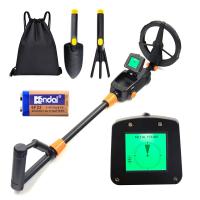
Essential accessories include headphones, digging tools, carrying cases, spare batteries, and coils. Some detectors come in bundles with these extras to enhance ease of use.
3. Warranty and Customer Support
Always check the warranty provided by the manufacturer and the availability of customer service. A reliable company will offer robust technical support in case of issues.
4. User Reviews and Forums
Research device performance via user reviews and metal detecting forums, where professionals and enthusiasts share their experiences on specific detectors.
5. Adaptability in Different Environments
If you're detecting in varied terrains, opt for a machine with adaptable settings. Features like waterproof construction and multi-ground mode are critical for users spanning multiple environments.
Tips for Maximizing Your Professional Metal Detector’s Efficiency
Once you've selected the ideal metal detector, proper usage is key to achieving optimal results. Here are a few tips for maximizing efficiency:
1. Learn Your Detector’s Settings
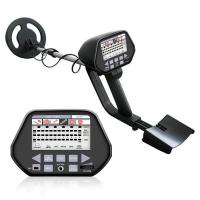
Spend time familiarizing yourself with your detector’s controls, settings, and display information. Knowing how to adjust sensitivity, notch filters, and ground balance will lead to more accurate discoveries.
2. Practice Proper Swing Technique
Swing your detector in slow, consistent motions parallel to the ground. A wide, methodical sweep ensures maximum coverage and reduces the chance of missing objects.
3. Research Target Locations
Do extensive research on your target area using site maps, historical records, and geological surveys before heading out. This increases your chances of finding valuable targets.
4. Test Your Detector
Conduct tests using known objects like coins, jewelry, or utility pipes in controlled conditions to fully understand your detector’s responses to different items.
5. Avoid Interference
Ensure you work in locations free of strong electromagnetic interference, as this can disrupt your detector’s signal and reduce accuracy.
6. Stay Patient and Persistent
Success with metal detection requires patience and persistence. Don’t hastily move from location to location; instead, examine the area thoroughly before concluding.
Conclusion
Choosing the right professional metal detector involves thoughtful consideration of features, brand reliability, and compatibility with your use case. From treasure hunting and gold prospecting to utility location and security screenings, you’ll want a detector that meets your unique requirements while offering efficient performance.
While technology keeps improving detectors, skills and experience play a vital role in successful metal detecting. By choosing the right detector,