Can A Metal Detector Find Gold?
Metal detecting is a fascinating hobby that has captured the interest of treasure hunters, history enthusiasts, and prospectors worldwide. One commonly asked question among beginners and even seasoned detectorists is whether metal detectors can find gold. The answer, in short, is yes, but it is more nuanced than simply using any metal detector and digging up gold. Detecting gold requires an understanding of the equipment, the environmental factors, and the properties of gold itself. In this article, we dive deep into the science and know-how behind detecting gold with metal detectors, and how you can optimize your search for this valuable metal.
Understanding How Metal Detectors Work
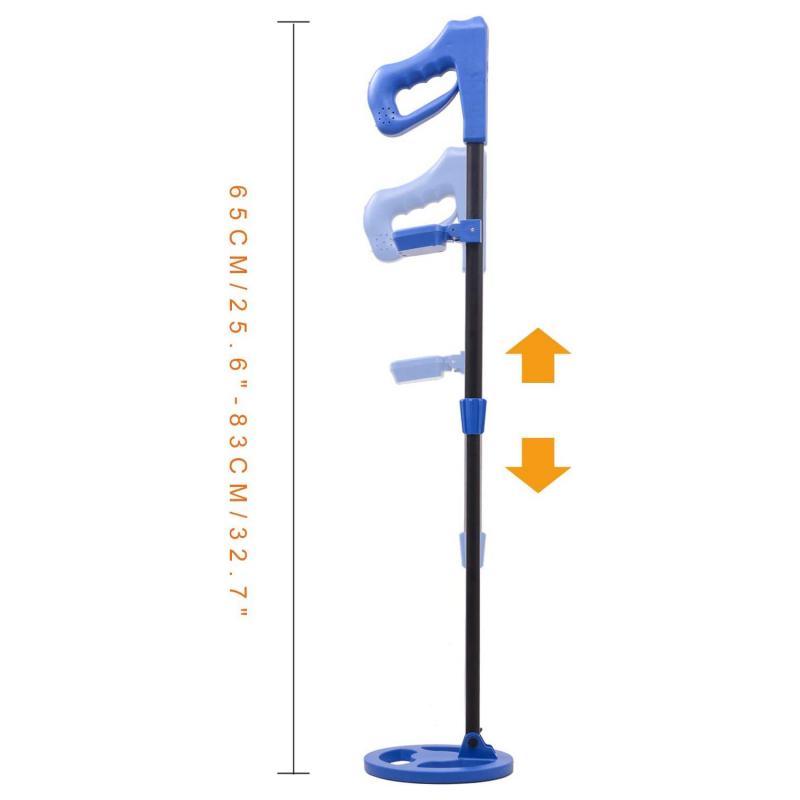
Metal detectors operate by sending electromagnetic signals into the ground and receiving feedback when these signals interact with metal objects beneath the surface. These machines are adept at detecting all types of metals, including ferrous metals like iron and non-ferrous metals like gold, copper, and aluminum.
Different metal detectors are calibrated to detect specific types of metals with greater efficiency. Gold is considered a low-conductivity metal, which means it does not respond as strongly to electromagnetic fields compared to metals like silver or copper. Because of this unique property, you'll need a detector specifically designed or optimized to locate low-conductivity metals like gold.
Types of Metal Detectors for Gold
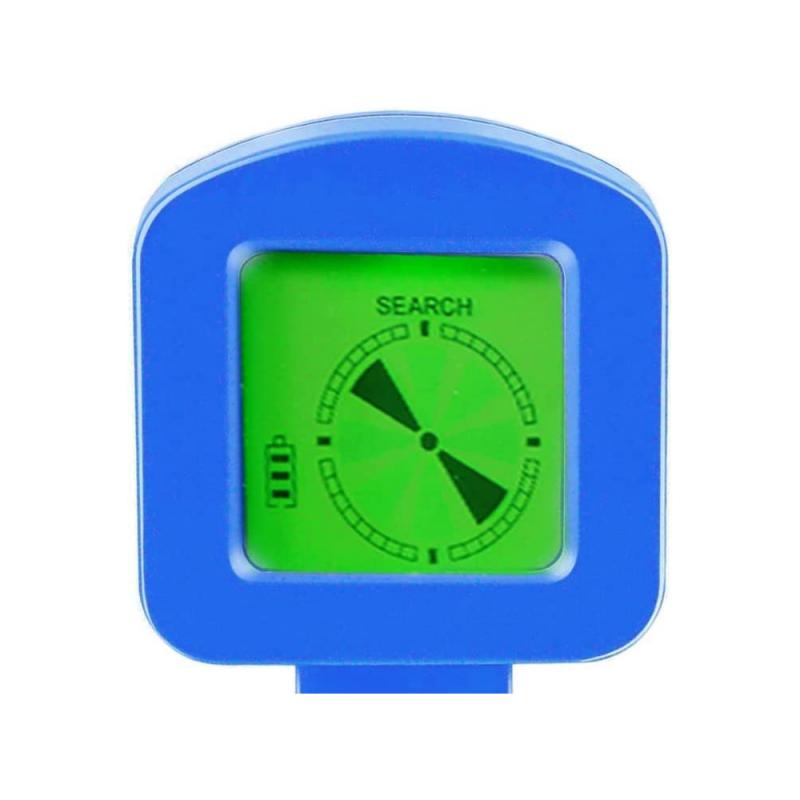
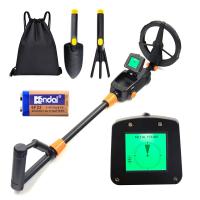
Not all metal detectors are equal when it comes to gold detection. Certain types of detectors are specifically engineered for gold prospecting. Here are the most popular types:
1. Very Low Frequency (VLF) Detectors
VLF detectors are the most common type of metal detector and are excellent for finding small gold nuggets shallow in the ground. These machines operate at higher frequencies (above 18 kHz), which makes them particularly sensitive to gold. Their lightweight design is ideal for beginners and hobbyists, and they often come with features like discrimination modes to identify gold more accurately.
2. Pulse Induction (PI) Detectors
Pulse induction detectors are designed for deeply buried gold deposits. They use short pulses of electromagnetic energy that penetrate deeper into the ground than VLF detectors. PI detectors are excellent for gold-rich terrains, especially in areas with highly mineralized soil, which often creates interference for other types of detectors.
3. Multi-Frequency and Hybrid Detectors
Some advanced detectors combine both VLF and PI technology, incorporating multiple frequency options that allow users to adjust settings based on their environment. These detectors provide versatility, making them suitable for detecting gold in both shallow and deep terrains.
Finding Gold: Factors That Influence Success

Detecting gold requires more than just owning the right metal detector—it relies on several critical factors ranging from location to environmental conditions. Here’s what you need to consider:
1. Environmental and Geological Conditions

Gold is most commonly found in areas with mineral-rich soil, particularly in regions with a history of gold mining. Rivers, creeks, and mountainous terrains are hotspots for gold. Likewise, areas with quartz deposits often contain gold-bearing ore.
The soil’s mineralization can also impact your detector’s ability to identify gold. Highly mineralized soil can interfere with electromagnetic signals, creating noise and false signals. In such situations, detectors with ground-balancing features can help eliminate interference, improving gold-detection accuracy.
2. Size and Shape of Gold
The size and shape of gold nuggets significantly affect detection success. Smaller gold nuggets are harder to detect even with high-performance detectors, as they generate weaker electromagnetic responses. However, detectors with high operating frequencies are designed to find these fine-sized particles. On the other hand, larger gold nuggets buried deeper in the earth require detectors with greater penetration capabilities, such as PI detectors.
3. Depth of Gold
Gold nuggets close to the surface are easier to find than those buried deeper underground. However, many gold deposits sit at depths that require specific detectors with advanced penetration capabilities. Pulse induction machines and hybrid models generally outperform VLF detectors when searching for gold below the surface.
4. Detector Settings and User Skill
Detector settings play an essential role in the gold detection process. Advanced features like sensitivity, discrimination, and ground balancing allow operators to fine-tune their machine’s performance based on their environment. Proper tuning and interpretation of a detector’s feedback signals are crucial to accurately identifying gold.
Skill level also matters. Even with a high-quality detector, novice users may miss targets if they do not understand how to interpret signals or identify gold-bearing terrain effectively. Regular practice and research enhance detection success.
Tips for Finding Gold Using a Metal Detector
If you’re eager to start hunting for gold, keep the following tips in mind to maximize your chances of success:
1. Choose the Right Detector
Select a metal detector specifically designed for gold prospecting. Pay attention to its frequency range, ground-balancing capabilities, and sensitivity to low-conductivity metals.
2. Research Gold-Rich Locations
Do your homework and research areas known for past gold mining activity. Visit regions with favorable geological conditions like riverbanks, quartz deposit zones, and mountainous terrains.
3. Practice with Test Targets
Before heading into the field, practice detecting with test targets such as gold jewelry or small nuggets. This helps you familiarize yourself with your detector’s feedback signals and settings.
4. Dig All Targets in Gold-Rich Areas
If you’re searching in a gold-rich area, it’s wise to dig up every signal, as small or irregularly shaped gold nuggets can sometimes sound like other metals.
5. Use Ground Balancing Features
When detecting in mineralized soil, ensure you understand and utilize the ground-balancing feature of your detector. This will reduce false signals caused by soil minerals.
6. Protect Equipment and Be Patient
Gold hunting requires patience and diligence. Protect your equipment in harsh conditions, and don’t let initial failures discourage you—it takes practice and persistence to adapt to gold prospecting.
Common Myths About Detecting Gold
Detecting gold has been surrounded by myths and misconceptions over the years. Let’s address a few:
“Any metal detector can find gold.”
While general-purpose metal detectors can locate metallic objects, they are not efficient at detecting gold, especially small nuggets or deeply buried deposits. You need a gold-specific detector for optimal results.
“Gold can only be found in exotic or remote locations.”
Gold is more common than many realize, especially in areas with mining history. Even some small streams or rivers near urban areas contain gold particles.
“Finding gold is easy with the right equipment.”
Gold hunting is a skill that requires research, practice, and refinement. Owning the best detector doesn’t guarantee results; rather, success depends on how well you use it.
Yes, metal detectors can find gold, and they are valuable tools for anyone interested in gold prospecting. However, success in finding this precious metal depends on choosing the right type of detector, understanding environmental and geological conditions, and honing your skills in reading signals and differentiating metals.
Whether you’re a hobbyist hoping to stumble upon some gold nuggets or a dedicated prospector searching in gold-mining areas, remember that persistence is key. Implement the tips above, educate yourself on the terrain, and practice diligently. Gold prospecting with a metal detector isn’t just a pursuit—it’s an adventure that combines science, skill, and a touch of luck. Who knows? With the right approach, you might just strike gold!