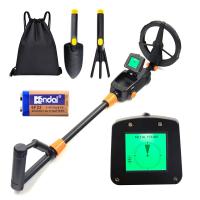
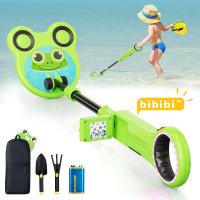
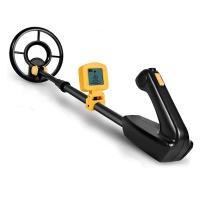
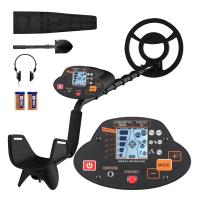
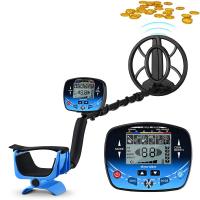
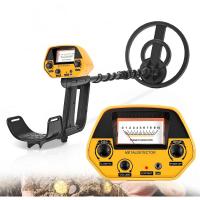
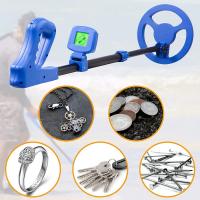
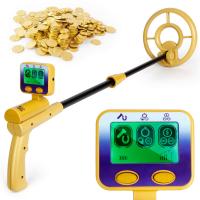
Which Kids Metal Detector?
A Comprehensive Guide to Choosing the Best Metal Detector for Kids
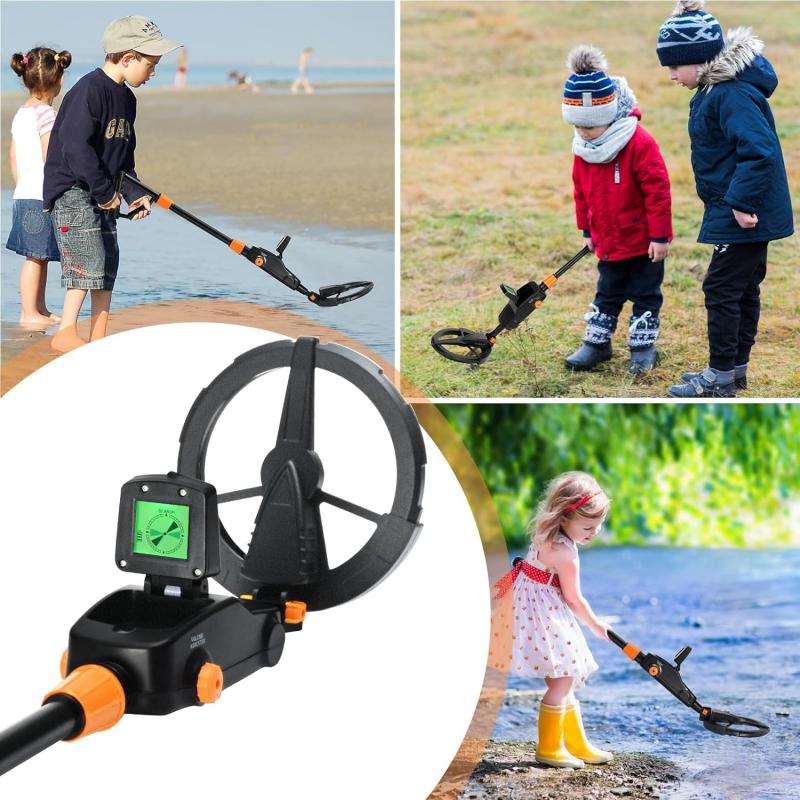
Metal detecting is an engaging activity that combines outdoor fun, a little bit of exercise, and a hint of adventure, which makes it perfect for children. Introducing a child to the world of metal detecting not only gives them a fun hobby but also nurtures their curiosity and develops their patience and observational skills. However, finding the right metal detector for kids requires careful consideration due to the wide variety of models available on the market. In this guide, we will help you navigate through the key factors to consider, recommend suitable models, and answer common questions from parents about buying a kids’ metal detector.
Why Invest in a Metal Detector for Kids?
Before diving into the details, it’s essential to understand why metal detecting can be an excellent activity for children. Here are a few key benefits:
1. Encourages Outdoor Activity: In today’s digital-centric world, metal detecting can be a great way to get kids off their screens and out into the fresh air.
2. Sparks Curiosity and Learning: The thrill of discovering hidden objects can nurture curiosity about history, geology, and science in general.
3. Teaches Patience and Focus: Success in metal detecting doesn't come instantly. Children learn the value of persistence and staying focused on a goal.
4. Family Bonding Opportunity: Metal detecting is a hobby that can be shared among family members and often becomes a cherished group activity.
Now that we’ve established the benefits, let’s explore how to choose the right one for your child.
Key Factors to Consider When Choosing a Metal Detector for Kids
When selecting a metal detector for kids, you want a device that is easy to use, comfortable for children to handle, and effective enough to detect metal objects buried shallowly. Here are the main factors to keep in mind:
1. Weight and Size
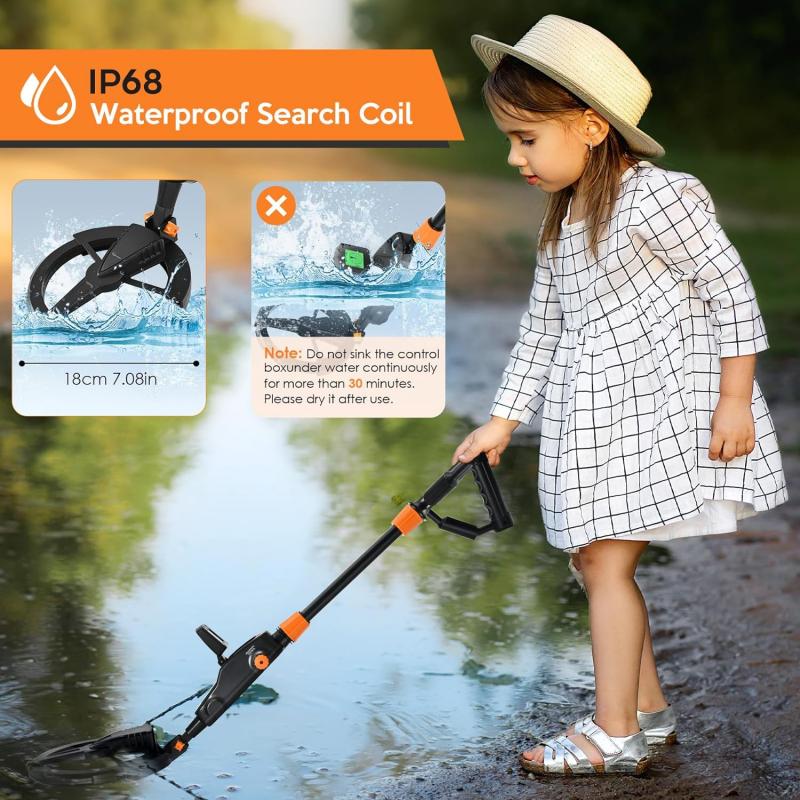
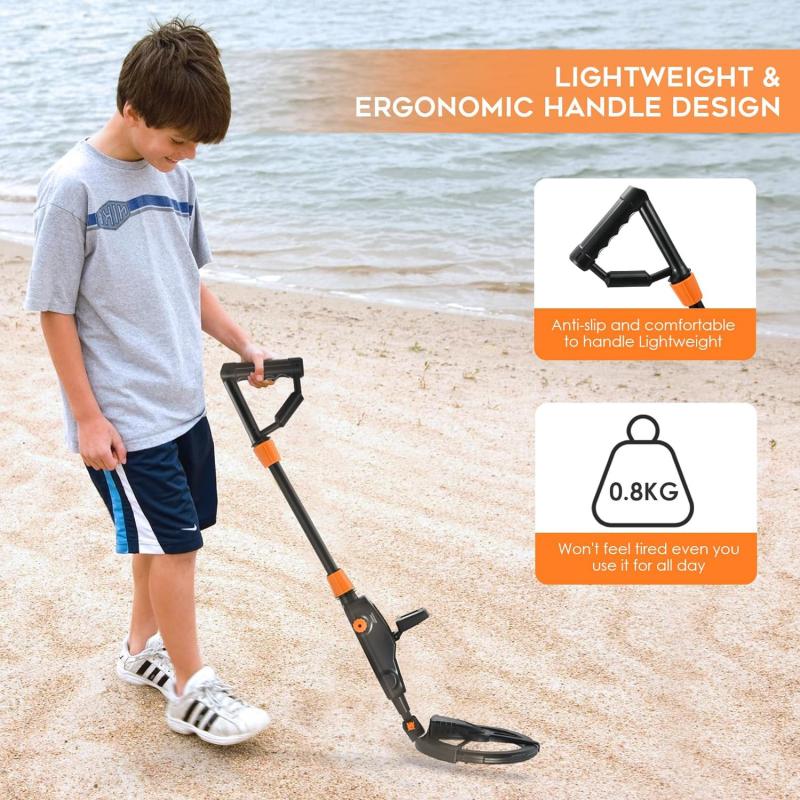
Children have smaller frames and less physical endurance than adults. Look for lightweight and adjustable metal detectors that can be customized based on the height of the child. A heavier detector may cause discomfort, leading to frustration and abandonment of the hobby.
2. Ease of Use
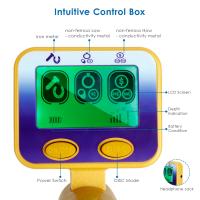
Kids need simple controls that don’t overwhelm them. A metal detector with a basic interface, such as a single-button operation or minimal settings, is ideal.
3. Detection Depth
Most metal detectors for kids are designed to detect items buried at shallow depths—between 4 and 6 inches—since children's ability to dig deeper is limited. This shallower detection is usually sufficient for beginner-level treasure hunting.
4. Durability
Children can be rough with their toys and tools, so make sure the metal detector is made with sturdy materials. Ideally, it should be able to withstand occasional bumps and drops.
5. Discrimination Feature
While young kids might find any metallic object exciting, older children may want to discriminate between different types of metals. Look for detectors that can distinguish between ferrous (iron-containing) and non-ferrous metals (like jewelry or coins). This keeps the hunt more rewarding.
6. Power Source
Most beginner-level detectors are battery-operated. Ensure that the battery life is sufficient for a few hours of continuous use and that the batteries are easy to replace or recharge.
7. Cost
Since metal detecting might be a short-lived hobby for some children, you might not want to invest too much in the equipment. Affordable yet reliable devices are perfect for beginners.
Recommended Metal Detectors for Kids
Based on the factors above, here are some highly-rated metal detectors designed specifically for kids:
1. Bounty Hunter Junior
The Bounty Hunter Junior is one of the most popular kids’ metal detectors. Lightweight and easy to use, it’s perfect for young children. It has basic discrimination features and can detect coins up to 5 inches deep. Its simplicity and affordability make it a great choice for beginners.
2. NATIONAL GEOGRAPHIC Junior Metal Detector
This device integrates National Geographic's branding, appealing to children with its image of exploration and discovery. It’s lightweight and collapsible, making it easy for kids to carry around. It offers an excellent balance between functionality and ease of use.
3. Minelab GO-FIND Series
While the Minelab GO-FIND 20 is better suited for older kids and teenagers, it’s a high-quality detector that's easy to use and capable of detecting a wide range of metals. Though slightly more expensive, it allows your child to grow into the hobby.
4. RM Ricomax GC-1003
The RM Ricomax GC-1003 is another budget-friendly option with a lightweight design suitable for kids aged 6 and above. It offers high sensitivity and can detect coins and relics quite effectively within a depth of 4-6 inches.
5. Teknetics Digitek
This advanced model is an excellent option for older kids or teenagers who are seriously interested in the hobby. It features digital target ID technology, lightweight construction, and good discrimination features.
Tips for Introducing Kids to Metal Detecting
To ensure your child gets the most out of their new metal detector, consider the following tips:
1. Choose Beginner-Friendly Locations: Beaches, parks, or schoolyards are excellent starting points as they are less challenging and generally have a higher chance of providing results.
2. Practice in Your Backyard: Before venturing out, hide coins or small metallic objects in your backyard for your child to find. This provides a controlled environment where they can learn how to use the detector.
3. Set Realistic Expectations: Explain to your child that not every beep means treasure. Help manage their expectations to avoid disappointment.
4. Teach Basic Excavation Techniques: Provide a small digging tool and a sifting pan. Teach them how to dig responsibly without damaging property, plants, or historical artifacts.
5. Make it a Game: Turn metal detecting into a treasure hunt with a story behind the items they'll find. This adds an additional layer of excitement and engagement.
6. Celebrate Every Find: Whether it’s a rusty nail or a shiny coin, every discovery is a win. Celebrating each find keeps their motivation high.
Frequently Asked Questions
1. How much should I spend on a kids’ metal detector?
For beginners, you can find decent-quality metal detectors in the $50-$150 range. If your child gets serious about the hobby over time, you may consider upgrading to a more advanced model.
2. At what age can a child start using a metal detector?
Children as young as 6 years old can use lightweight and user-friendly metal detectors. However, older kids may be able to handle more advanced detectors with additional features.
3. Can a kids’ metal detector find treasure?
Yes, kids’ metal detectors are capable of finding coins, jewelry, and other small metallic items. However, their detection depth and precision are limited compared to adult metal detectors.
4. What accessories do we need?
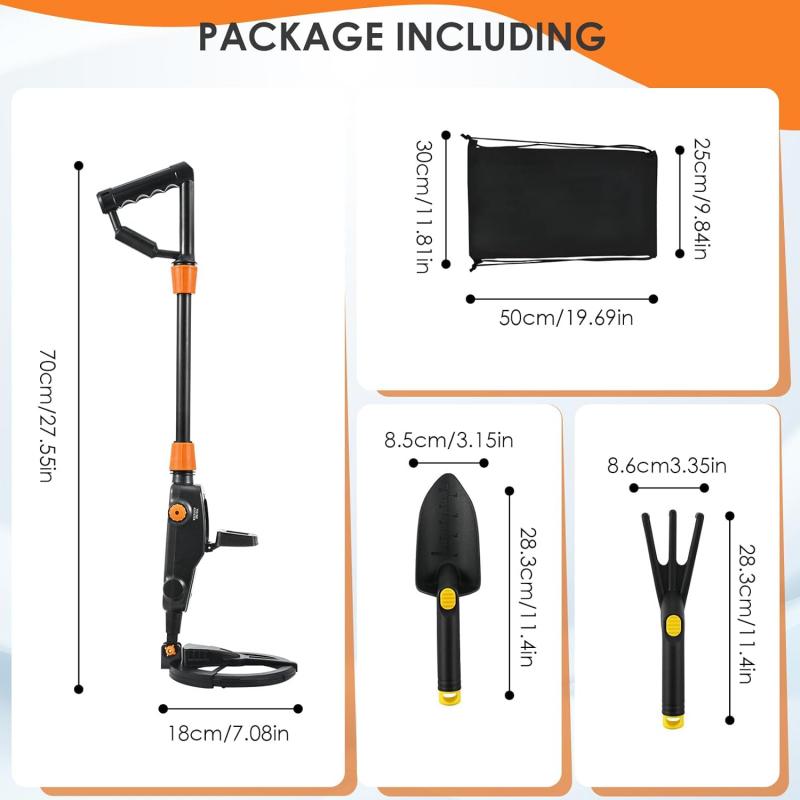
Basic accessories include a small digging tool, a sand scoop (for beaches), gloves to protect hands, and a carrying bag for the metal detector.
5. Are there any safety considerations?
Ensure your child is wearing sunscreen if treasure hunting in the sun, and avoid dangerous or restricted areas. Teach them to be cautious of sharp objects like broken glass or rusty metal.
Final Thoughts
Metal detecting is a fun, educational, and adventurous hobby for kids. By choosing the right metal detector and introducing the activity thoughtfully, you can help nurture your child’s love for exploration and learning. Whether they're uncovering spare change or discovering relics from the past, the excitement of the hunt will create valuable memories and lessons for years to come.
Invest in a good beginners' model, plan enjoyable outings, and watch as your child’s enthusiasm for treasure hunting blossoms. Who knows? You might find yourself joining in on the adventure, too!