How To Install Keypad Door Lock?
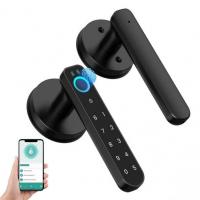
In today's fast-paced world, security and convenience are paramount. One of the most effective ways to enhance both is by installing a keypad door lock. These locks offer keyless entry, which means you no longer have to worry about losing your keys or fumbling with them in the dark. In this comprehensive guide, we will walk you through the process of installing a keypad door lock, ensuring that you can enjoy the benefits of this modern security solution.
Why Choose a Keypad Door Lock?
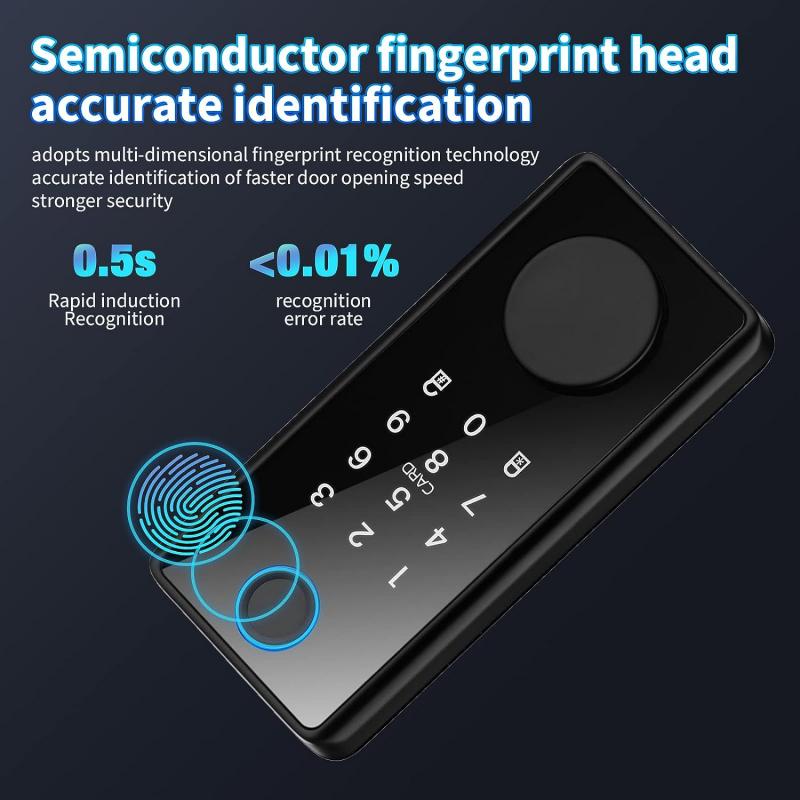
Before diving into the installation process, it's essential to understand why a keypad door lock might be the right choice for you. Here are some of the key benefits:
1. Enhanced Security: Keypad locks are difficult to pick, providing an added layer of security.
2. Convenience: No need to carry keys; simply enter your code to unlock the door.
3. Access Control: Easily change codes to grant or revoke access without changing the entire lock.
4. Durability: Many keypad locks are built to withstand harsh weather conditions and heavy use.
Tools and Materials Needed
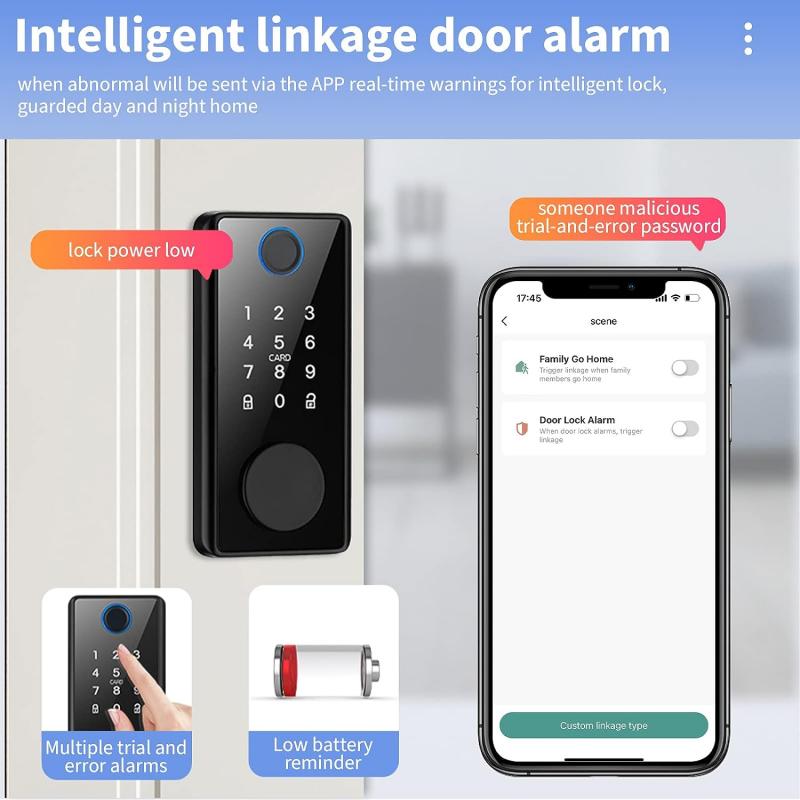
Before you start, gather the following tools and materials:
- Keypad door lock kit
- Screwdriver (Phillips and flathead)
- Tape measure
- Pencil
- Drill and drill bits
- Chisel
- Level
- Safety glasses
- Tape
Step-by-Step Installation Guide
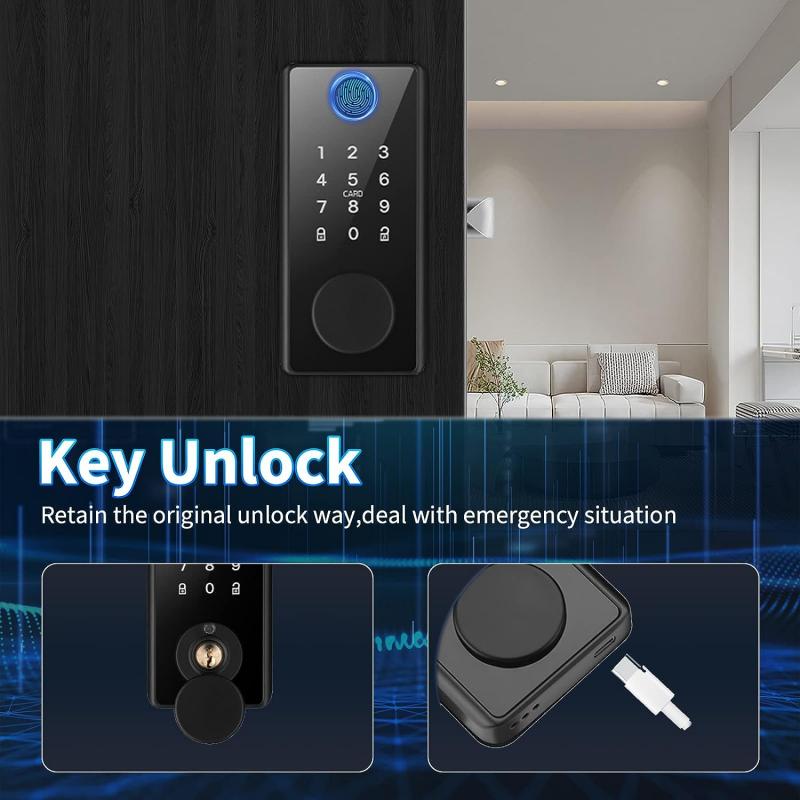
Step 1: Remove the Existing Lock
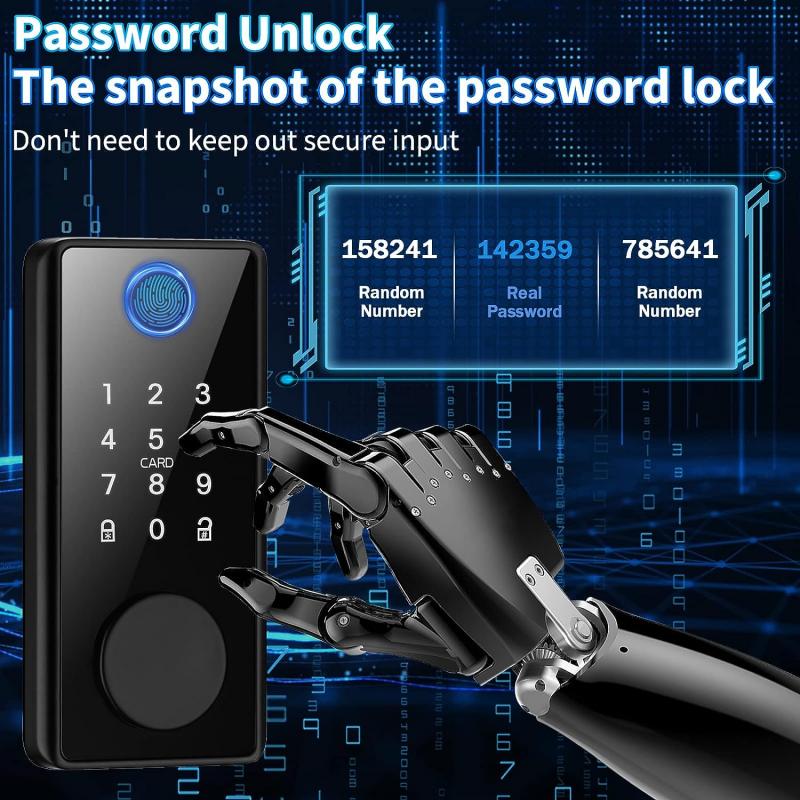
If you are replacing an existing lock, the first step is to remove it. Use a screwdriver to unscrew the screws on the interior side of the door. Once the screws are removed, pull the lock apart and take out the latch mechanism from the edge of the door.
Step 2: Prepare the Door
Most keypad door locks are designed to fit standard door preparations. However, it's crucial to ensure that your door is compatible. Measure the diameter of the hole in the door (usually 2 1/8 inches) and the backset (the distance from the edge of the door to the center of the hole, typically 2 3/8 or 2 3/4 inches).
If your door doesn't have the necessary holes, you'll need to drill them. Use a hole saw to drill the main hole and a spade bit for the latch hole. Be sure to wear safety glasses and follow the manufacturer's instructions.
Step 3: Install the Latch
Insert the latch mechanism into the hole on the edge of the door. Ensure that the latch is oriented correctly, with the beveled side facing the direction the door closes. Secure the latch with the screws provided in the kit.
Step 4: Install the Keypad
Place the exterior keypad on the outside of the door, aligning it with the latch mechanism. Feed the connecting cable through the hole in the door. On the interior side, attach the mounting plate, ensuring that the cable passes through the designated slot. Secure the mounting plate with screws.
Step 5: Connect the Interior Assembly
Connect the cable from the exterior keypad to the interior assembly. Most keypad locks have a simple plug-and-play connection. Once connected, position the interior assembly over the mounting plate and secure it with screws.
Step 6: Install the Batteries
Most keypad door locks are battery-operated. Open the battery compartment on the interior assembly and insert the batteries as indicated. Close the compartment securely.
Step 7: Test the Lock
Before finalizing the installation, test the lock to ensure it functions correctly. Enter the default code provided in the user manual to unlock the door. Check that the latch retracts smoothly and that the door opens and closes without any issues.
Step 8: Program the Lock
Once you have confirmed that the lock is working correctly, it's time to program your unique access codes. Refer to the user manual for specific instructions on how to add, change, or delete codes. Most keypad locks allow you to program multiple codes, which is useful for granting access to family members, friends, or service providers.
Troubleshooting Common Issues
Even with careful installation, you may encounter some issues. Here are a few common problems and their solutions:
- Lock Doesn't Respond: Check the battery installation and ensure that the batteries are fresh. Verify that the cable connections are secure.
- Latch Doesn't Retract: Ensure that the latch is installed correctly and that the lock is aligned with the strike plate on the door frame.
- Keypad Not Lighting Up: Some keypads have a backlight feature that activates when a button is pressed. If it doesn't light up, check the batteries and connections.
Maintenance Tips
To ensure the longevity and optimal performance of your keypad door lock, follow these maintenance tips:
- Regularly Change Batteries: Most keypad locks will alert you when the batteries are low. Change them promptly to avoid being locked out.
- Clean the Keypad: Wipe the keypad with a soft, damp cloth to remove dirt and grime. Avoid using harsh chemicals.
- Lubricate the Latch: Periodically apply a silicone-based lubricant to the latch mechanism to ensure smooth operation.
Installing a keypad door lock is a straightforward process that can significantly enhance your home's security and convenience. By following this step-by-step guide, you can confidently install your new lock and enjoy the peace of mind that comes with keyless entry. Whether you're upgrading your existing lock or installing a new one, a keypad door lock is a smart investment in your home's security.