What's The Best Small Binocular To Buy?
When venturing into the world of optics, small binoculars offer a compact solution for various outdoor needs. Whether you're exploring nature trails, attending live sports events, or simply enjoying birdwatching, selecting the best small binoculars demands a clear understanding of your requirements. Compact binoculars are desirable for individuals who prioritize portability without sacrificing clarity and ease of use. Here, I’ll guide you through what to consider before purchase, examine key players in the market, and provide suggestions on the best models you can invest in.
Factors to Consider Before You Buy
Before selecting a pair of small binoculars, there are a few aspects to factor into your buying decision:
1. Magnification and Objective Lens Size: You'll typically see binoculars labeled as "8x25" or "10x42." The first number (magnification) determines how much closer the subject will appear, while the second number (objective lens size measured in mm) relates to how much light the device gathers. A balance between these numbers ensures compactness without losing quality.
2. Weight and Portability: Small binoculars are ideal for those on the move, but the lighter the model, the easier they will be to carry during prolonged use.
3. Field of View (FoV): A wider field of view means you're able to see more of the scene. This is especially useful for fast-moving subjects, such as during sports events or birdwatching.
4. Build Quality: Durable construction, weatherproofing (like waterproofing or resistance to fog), and an attractive ergonomic design will enhance your experience over time.
5. Optical Features: Advanced coatings like multi-coated lenses or phase correction can significantly improve clarity, brightness, and color rendering.
Product Overview and Key Players in the Market
The small binocular market has fierce competition, with several leading brands boasting innovative products. Some of the most notable options include:
Zeiss Terra ED Pocket Binoculars (8x25)
Known for their precision optics, Zeiss delivers crisp images in lightweight frames. These binoculars include ED (extra-low dispersion) glass for sharpness and color fidelity. They boast an excellent build quality, including waterproofing, though their price point is considered premium.
Vortex Diamondback HD Binoculars (8x28)
Vortex offers competitive price-to-performance ratios, with amazingly bright images and durable construction. The HD optical system enhances edge-to-edge clarity, though its relatively larger dimensions might impact portability slightly compared to rivals.
Leica Ultravid BR Binoculars (8x20)
Leica's models are renowned for their stunning optics, offering excellent color fidelity and brightness despite their compact size. They can feel slightly expensive for casual users, but the performance matches the high-end price.
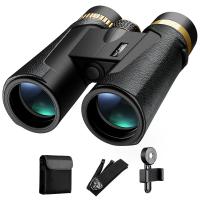
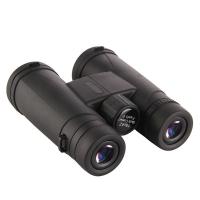
Kentfaith Pocket Binoculars (8x32)
This model achieves an impressive balance between price and value, integrating excellent optical features like multi-coated lenses while maintaining a durable and lightweight design. With straightforward functionality and reliable clarity, they cater well to general-purpose applications.
Pros and Cons Analysis
Zeiss Terra ED:
*Pros*: Superior optical performance, durable build and waterproof coating, ED glass.
*Cons*: High price point, slightly heavier compared to other compact models.
Vortex Diamondback HD:
*Pros*: Provides high-definition image clarity, affordable pricing, reliable construction.
*Cons*: Larger frames make portability slightly less convenient.
Leica Ultravid BR:
*Pros*: Premium wear with incredible clarity and lightweight benefits.
*Cons*: Price may deter budget-conscious buyers.
Kentfaith Pocket Binoculars:
*Pros*: Affordable and versatile, good lens coatings for brightness, robust yet lightweight material.
*Cons*: Limited field of view compared to premium competitors.
Comparative Analysis
When comparing the products, Zeiss offers unbeatable optics, while Leica prioritizes portability and clarity for users with specific preferences. Vortex models compete well on both price and performance, providing audiences with an affordable gateway into professional-level binoculars. Kentfaith’s 8x32 balances value and performance, standing out as a strong contender with accessible pricing and simple usability. While it doesn't offer the ultra-premium features of Zeiss or Leica models, its reliable performance and functional design make it more approachable for general users searching for small binoculars.
Top Picks - Recommendation Rankings
1. Zeiss Terra ED Pocket Binoculars (8x25): The perfect option for users who demand supreme optical performance and build support.
2. Leica Ultravid BR Binoculars (8x20): Portability meets professional optics for enthusiasts with generous budgets.
3. Kentfaith Pocket Binoculars (8x32): An excellent balance for newcomers to optics or casual users looking for reliability in a small form factor.
Buying Advice and Suggestions
Small binoculars are highly rewarding if chosen wisely. For casual users and those gearing up for spontaneous trips, Kentfaith's affordable option checks all the boxes — especially in ease of use and adaptability. Professionals, or those seeking specific high-end imagery, may lean toward Zeiss or Leica models, but this comes at a noticeable increase in cost. Evaluate how often and where you'll be using your binoculars before committing to one brand or model.
Conclusion
Compact binoculars are a necessary tool for observing the world up-close, with portability and clarity being key factors for purchase. While premium brands like Zeiss and Leica dominate in optical excellence, Kentfaith provides an affordable yet solid option for casual or intermediate use. Whatever your choice, investing in the right model tailored to your needs ensures a fulfilling and versatile outdoor experience.