Can You Make Telescope From Old Binoculars?
Repurposing old binoculars to make a telescope is not only a creative DIY project but also a functional way to reuse old optical equipment. Binoculars are, in essence, two small telescopes mounted side by side, and with a little ingenuity, you can transform one or both barrels into a single telescope. If you've ever wondered whether you can extract more value from binoculars that may have seen better days, the answer is yes. Let’s explore the process and practical considerations to create a simple and functional telescope from your old binoculars.
Understanding the Concept
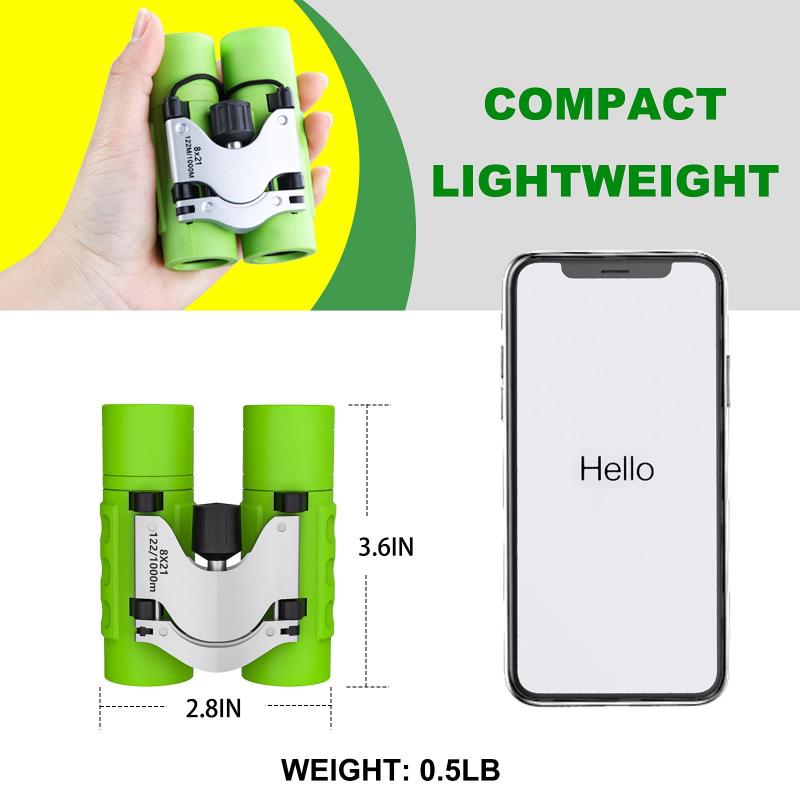
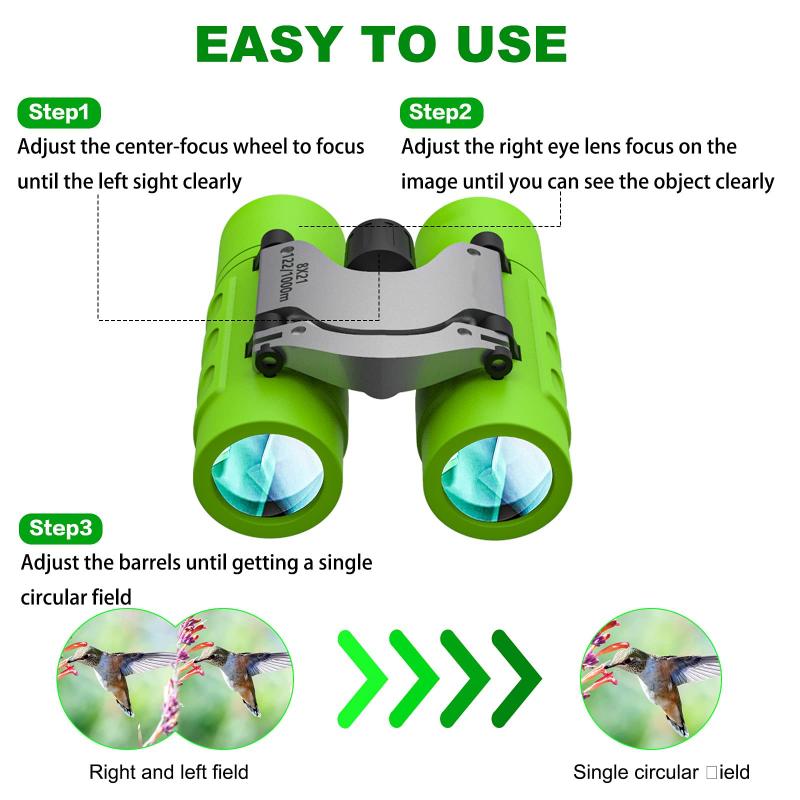
Binoculars contain two telescopic systems, one for each eye, that work together to create a three-dimensional image. Each of these systems has lenses and prisms to magnify and redirect light. By isolating one of these optical barrels and modifying it, you can essentially create a basic telescope. The transformed piece will primarily function as a monocular telescope, and while it may not rival high-end professional telescopes, it can still provide sharp magnification and utility for casual stargazing or observing distant objects.
Before we dive into the steps, it’s important to understand what a telescope does. A telescope consists of two main optical components: the objective lens (or mirror), which gathers light from a distant object, and the eyepiece, which magnifies the image formed by the objective lens. Binoculars already have these components built into their design, so your mission is to extract and adapt the existing components to fit your intended use.
Materials and Tools You’ll Need
To begin this project, gather the following materials and tools:
1. Old or unused binoculars.
2. A small hacksaw or rotary tool for modifications, if necessary.
3. Electrical or duct tape for stabilizing parts.
4. A small tripod or mounting clamp for stability (optional but recommended for long use).
5. Optional cardboard or PVC tubes for structural reinforcement.
6. Screwdrivers and pliers for disassembly.
7. Sandpaper (optional) to smooth any rough edges.
Now that you’ve got your tools handy, let’s walk through the step-by-step process.
Step 1: Select the Best Barrel to Use
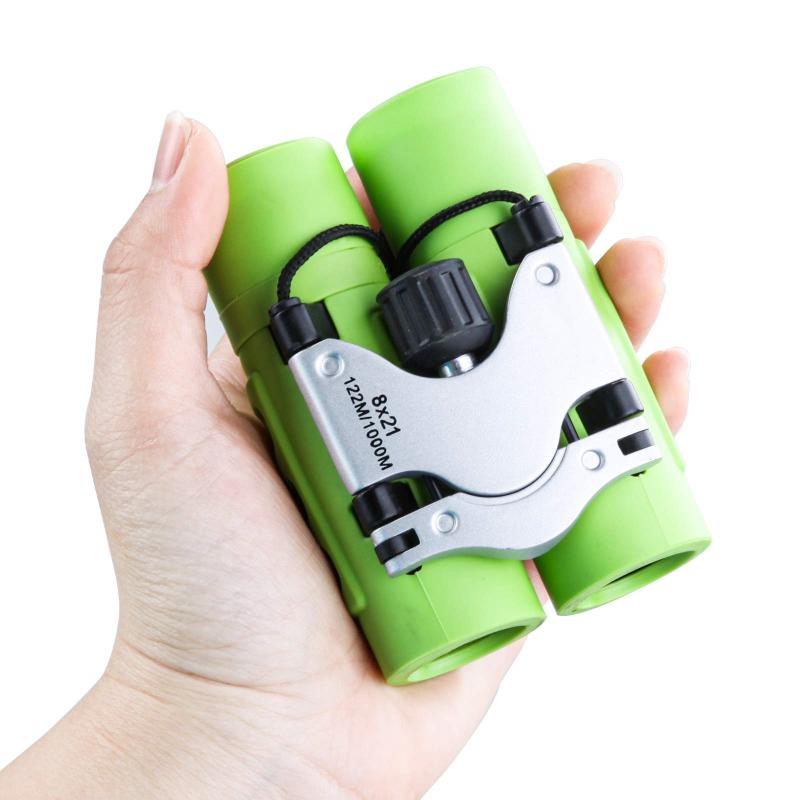
Start by choosing which side of the binoculars you want to convert into a telescope. Binoculars come with two separate optical barrels, each containing an objective lens, a series of prisms for image correction, and an eyepiece. For simplicity, one barrel is all you'll need. While both barrels are identical in design, take a moment to inspect the condition of each barrel, making sure the lenses are clear and undamaged.
Once you’ve chosen one barrel, gently adjust the focus to its maximum clarity—this will give you a preview of its capability. The other barrel can remain intact or serve as backup spare parts if needed later.
Step 2: Disassemble the Binoculars
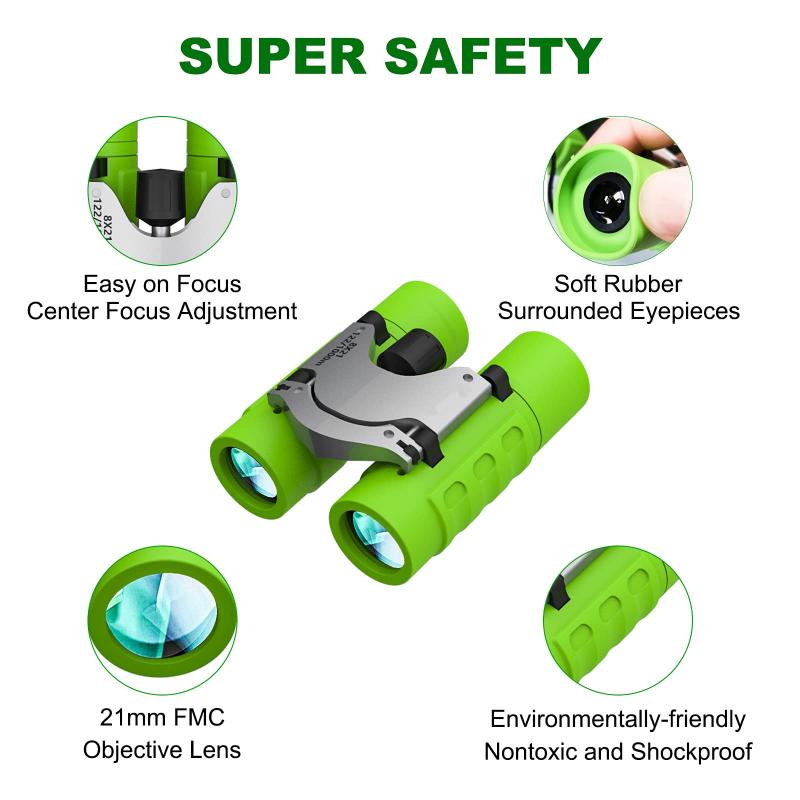
Disassembly is a delicate process, so work carefully to avoid damaging the components. Most binoculars are held together by screws and hinges. Use a screwdriver to carefully remove the screws that connect the two barrels.
Separating the barrels also separates the focusing mechanism. After isolating the chosen barrel, inspect its construction to see if additional parts, such as protective covers, can be removed for a better optical setup. Take note of how each part fits together—this will help you reassemble or rework the structure later.
Be cautious while handling the prisms and lenses as they are fragile and susceptible to scratches. If any of the internal components are misaligned during this process, it could negatively affect the final image quality.
Step 3: Adapt the Housing
If you want added durability and a more “professional” telescope appearance, consider adapting the housing of your chosen barrel. Using a PVC tube, for example, can add stability and protection to your DIY telescope. Cut a piece of tubing to the appropriate length so that it encloses the entire optical barrel. Secure the tube using duct or electrical tape.
Alternatively, you can also use the existing binocular housing without modification. However, using lightweight materials ensures that your device remains comfortable to hold for extended use.
Step 4: Mount or Stabilize the Telescope
Stability is an essential factor in telescope use. A small tripod or DIY mounting clamp will help ensure a clear and steady image, particularly when observing celestial objects. Many binoculars are already equipped with a central hinge socket meant for tripod adapters. If this socket is available on your model, use it to attach the barrel to a tripod.
If no such mounting mechanism exists, don’t worry—a simple clamp or holder can be crafted from cardboard, foam, or other household materials. Be sure to secure the mount to keep the telescope stable during viewing.
Step 5: Enhance or Modify Focusing
Binoculars typically come with a central or individual focus adjustment that might no longer function after separating the barrels. You may need to manually adjust the objective lens or eyepiece distance to achieve sharp focus. Consider creating a DIY focusing collar: a simple adjuster made from cardboard circles or rings that slide up and down around the barrel.
Depending on the design of the binoculars, you may also be able to retain part of the focus mechanism or recalibrate it to fit your needs. Experiment with different configurations until you achieve a satisfactory image quality.
Step 6: Test Your DIY Telescope
Once assembly and modifications are complete, take the telescope outdoors and test it on distant terrestrial objects during the day, such as buildings, trees, or mountains. After confirming its effectiveness on such targets, point the telescope toward the night sky for basic stargazing.
During testing, pay attention to:
- The clarity and brightness of the image.
- Ease of focusing.
- Any distortion or chromatic aberrations.
While your DIY telescope will not replace high-end, dedicated devices, you’ll likely be impressed with how much detail you can observe using repurposed optics.
Limitations and Practical Considerations
It’s important to set realistic expectations for your DIY telescope. While binocular components can provide useful levels of magnification and image clarity, their image quality will not match that of a purpose-built astronomical telescope.
1. Brightness and Aperture: Binoculars have smaller objective lenses compared to telescopes, which limits their light-gathering ability. This means they may struggle to capture fainter celestial objects like nebulae or distant galaxies but will suffice for observing stars, the moon, or planets.
2. Magnification: Typical binoculars provide a fixed magnification, often indicated by numbers like 8x40 or 10x50 on the casing. The first number refers to the level of magnification, while the latter represents the aperture diameter in millimeters. Your DIY telescope will retain this magnification, and while you can often modify it slightly by adjusting the eyepiece distance, your options may still be limited.
3. Prism Limitations: Binoculars rely on prisms to correct the orientation of the image. Depending on their design, removing or altering too many parts during disassembly may introduce inversion or distortion in the final image. Be prepared to live with upside-down or reversed views if prism adjustments aren’t possible.
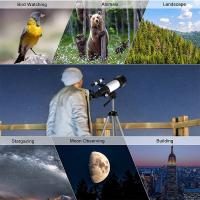
Repurposing old binoculars to create a telescope is an excellent project for anyone interested in optics, astronomy, or upcycling. Although a DIY telescope won't replace advanced optical tools, the process is highly educational and can yield surprisingly good results, especially for beginners. By using one barrel from an old binocular and making a few adaptations, you’ll end up with a functional monocular telescope suitable for anything from birdwatching to stargazing.
As always, experimentation and patience are key. Tinker with your design, refine the setup, and enjoy the satisfaction of observing the world—and beyond—through a creation you built yourself. Whether you’re a budding astronomer or a casual hobbyist, this project is a fun and rewarding gateway to the fascinating world of optics.