How To Connect Solar Panels In Series?
Connecting solar panels in series is a common method used to increase the voltage output of a solar power system. This technique is particularly useful for systems that require higher voltage inputs, such as grid-tied inverters or certain types of battery banks. In this article, we will delve into the step-by-step process of connecting solar panels in series, the benefits and drawbacks of this configuration, and some practical tips to ensure a safe and efficient setup.
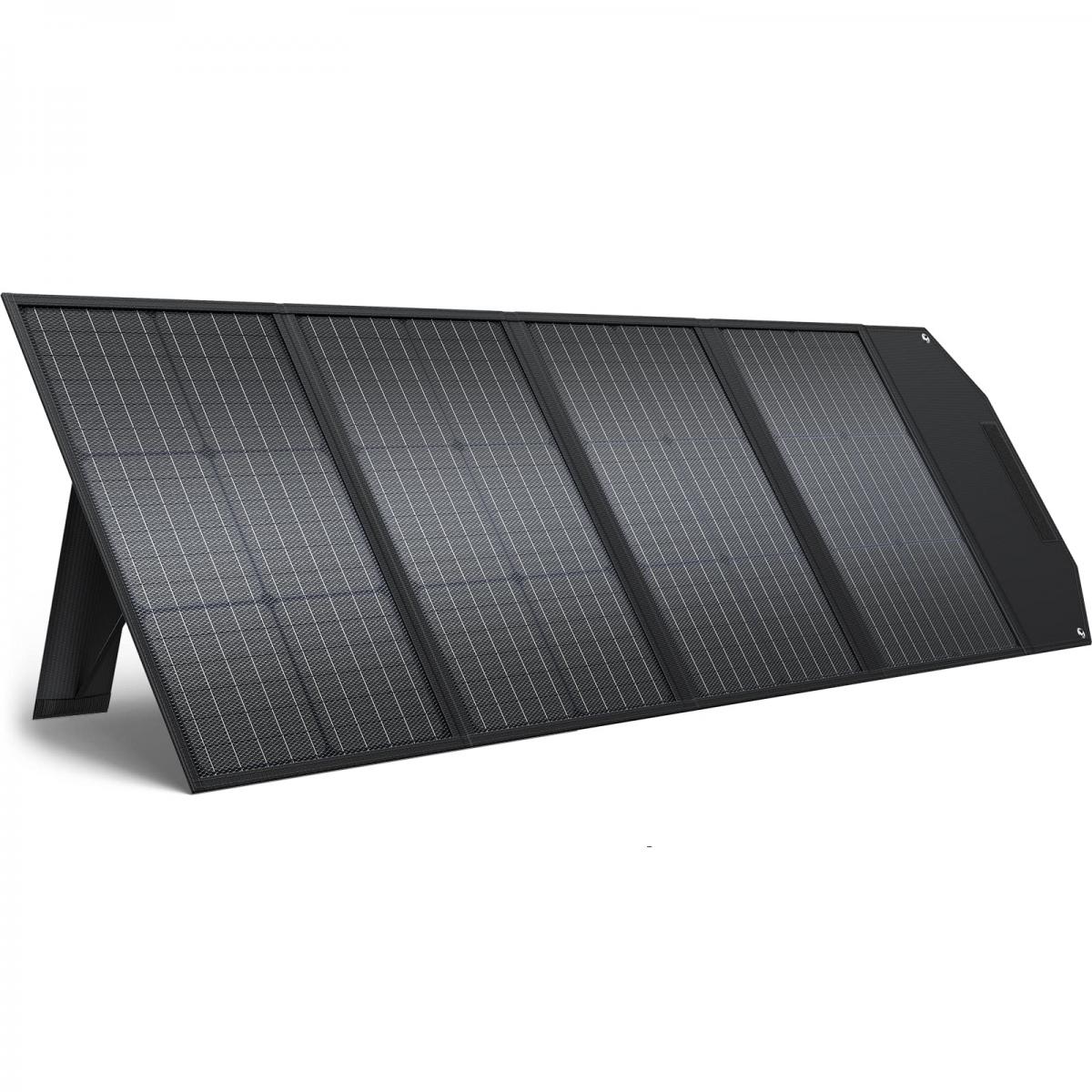
Understanding Series Connections
Before we dive into the practical steps, it’s essential to understand what a series connection entails. When solar panels are connected in series, the positive terminal of one panel is connected to the negative terminal of the next panel. This configuration increases the total voltage while keeping the current (amperage) the same as that of a single panel. For example, if you have three 12V panels with a current of 5A each, connecting them in series will result in a system with 36V and 5A.
Benefits of Series Connections
1. Higher Voltage Output: One of the primary advantages of connecting solar panels in series is the increased voltage output. This is particularly beneficial for systems that require higher voltage inputs, such as certain types of inverters and battery banks.
2. Reduced Power Loss: Higher voltage systems tend to have lower power losses over long distances. This is because power loss due to resistance in the wires is proportional to the square of the current. By increasing the voltage and keeping the current low, you can minimize these losses.
3. Simplified Wiring: Series connections can simplify the wiring process, especially in larger systems. Fewer parallel connections mean fewer wires and connectors, which can reduce the complexity and potential points of failure in the system.
Drawbacks of Series Connections
1. Shading Issues: One of the main drawbacks of series connections is that shading on a single panel can significantly impact the performance of the entire string. If one panel is shaded, it can reduce the current flow, thereby reducing the overall power output.
2. Voltage Matching: When connecting panels in series, it’s crucial to ensure that all panels have the same voltage rating. Mismatched voltages can lead to inefficiencies and potential damage to the panels.
Step-by-Step Guide to Connecting Solar Panels in Series
Step 1: Gather Necessary Tools and Equipment
Before you start, make sure you have all the necessary tools and equipment. This includes:
- Solar panels
- MC4 connectors (if not already attached to the panels)
- Wire cutters/strippers
- Multimeter
- Safety gear (gloves, safety glasses)
Step 2: Inspect the Solar Panels
Inspect each solar panel for any visible damage or defects. Check the voltage and current ratings to ensure they are identical. This is crucial for the efficiency and safety of your series connection.
Step 3: Position the Solar Panels
Place the solar panels in their desired location, ensuring they are oriented correctly to receive maximum sunlight. Make sure there is enough space between the panels to allow for proper ventilation and maintenance.
Step 4: Connect the Panels
1. Identify the Terminals: Each solar panel has a positive (+) and a negative (-) terminal. These are usually marked on the junction box at the back of the panel.
2. Connect the Panels in Series: Start by connecting the positive terminal of the first panel to the negative terminal of the second panel. Continue this process until all panels are connected. The remaining positive terminal of the first panel and the negative terminal of the last panel will be the output terminals of your series string.
3. Secure the Connections: Use MC4 connectors to secure the connections between the panels. Ensure that the connectors are properly locked to prevent any accidental disconnections.
Step 5: Test the System
1. Measure the Voltage: Use a multimeter to measure the voltage across the output terminals of the series string. The voltage should be the sum of the individual panel voltages. For example, if you have three 12V panels, the total voltage should be around 36V.
2. Check the Current: Measure the current to ensure it matches the rated current of a single panel. If the current is significantly lower, there may be an issue with one of the connections or a shaded panel.
Step 6: Connect to the Inverter or Charge Controller
Once you have verified that the series string is functioning correctly, you can connect it to your inverter or charge controller. Make sure to follow the manufacturer’s instructions for connecting the solar panels to the device.
Practical Tips for a Safe and Efficient Setup
1. Use Proper Wiring: Use wires that are rated for the voltage and current of your system. Undersized wires can lead to overheating and potential fire hazards.
2. Install Fuses or Breakers: Install fuses or circuit breakers to protect your system from overcurrent conditions. This is especially important in larger systems with multiple series strings.
3. Monitor Shading: Regularly monitor your panels for shading issues. Even partial shading can significantly impact the performance of a series-connected system.
4. Regular Maintenance: Perform regular maintenance checks to ensure all connections are secure and free from corrosion. Clean the panels to remove any dirt or debris that may reduce their efficiency.
Connecting solar panels in series is a straightforward process that can significantly increase the voltage output of your solar power system. By following the steps outlined in this article, you can ensure a safe and efficient setup. Remember to consider the benefits and drawbacks of series connections and take the necessary precautions to protect your system. With proper planning and maintenance, your series-connected solar panels can provide reliable and efficient power for years to come.