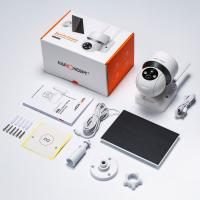
How Much Power Does A Surveillance Camera Use?
Surveillance cameras have become an indispensable part of security systems worldwide, ensuring the safety and monitoring of environments ranging from homes to industrial facilities. While their functionality and advanced features often grab the spotlight, an increasingly common question surrounding their use is: how much power does a surveillance camera consume? Understanding the power consumption of surveillance cameras is crucial for sustainable energy decisions, accurate budgeting, and efficient system installation. This article dives into the specifics of surveillance camera power use, outlines significant factors influencing energy consumption, and provides actionable advice for choosing energy-efficient solutions.
Understanding Surveillance Camera Power Consumption
Surveillance cameras typically operate on electrical power, with consumption varying based on type, model, and functionality. On average, most surveillance cameras use between 4 to 15 watts per hour. However, this number is influenced by several variables, including the type of camera being used (analog, IP, wireless, etc.), additional features such as night vision or motion detection, and even environmental factors like temperature fluctuations.
Factors That Influence Power Consumption
1. Camera Type:
Analog Cameras: Analog cameras are generally more energy-efficient than IP cameras. They typically consume around 4-8 watts per hour, depending on the model. These cameras are simpler in function and lack the computational processing capabilities found in IP cameras.
IP Cameras: IP cameras consume more power, around 8-15 watts per hour, because of their advanced capabilities. Features such as high-definition video resolution, data encryption, and wireless capabilities contribute to the higher energy usage.
2. Functionality:
Night Vision: Cameras equipped with infrared LEDs for night vision consume extra power, typically adding about 1-5 watts to the base consumption rate.
Motion Detection: While motion-activated cameras may save overall energy in lower-activity areas, the sensors themselves can increase power consumption during operation.
PTZ (Pan-Tilt-Zoom): PTZ cameras can rotate, zoom, and follow moving objects, requiring additional motors and software, which increases their energy usage.
3. Power Source:
- Wired cameras generally consume consistent amounts of energy as they are directly connected to a power source without battery limitations.
- Battery-operated cameras may have highly variable energy needs, with some models conserving battery life through periodic sleep modes.
4. Recording and Transmission Settings:
- High-resolution recording (e.g., 4K video) and real-time transmission significantly increase a camera’s energy demands.
- Data encoding and transmission over Ethernet or Wi-Fi require corresponding processing power and amplifies energy use.
5. Environmental and Operational Factors:
- Extreme temperatures can impact a surveillance camera’s internal mechanisms and raise its energy consumption as the camera attempts to stabilize operations.
- Cameras operating 24/7 in high-traffic areas may see increased power usage due to constant recording and processing of data.
Calculating Power Usage Over Time
Understanding the per-hour wattage of your surveillance camera (e.g., 10 watts) allows you to calculate energy consumption across longer periods. Multiply the hourly wattage by the number of hours in operation to get daily consumption, and then extend it to monthly or yearly totals.
For instance:
- A camera using 10 watts continuously for 24 hours will consume:
10 watts x 24 hours = 240 watt-hours (or 0.24 kilowatt-hours/day).
- Over the course of a month:
0.24 kWh/day x 30 days = 7.2 kWh/month.
By knowing the cost per kilowatt-hour in your area (e.g., $0.15/kWh), you can estimate monthly expenses:
7.2 kWh/month x $0.15/kWh = $1.08/month per camera.
Now multiply this number by your total number of cameras to get a broader view of system-wide energy costs.
Reducing Surveillance Camera Power Consumption
Although the energy use of a single camera may seem minor, large-scale installations with hundreds or thousands of cameras can result in significant consumption. Here are actionable strategies for reducing power usage in surveillance systems:
1. Choose Energy-Efficient Models:
Modern surveillance cameras often come with energy-efficient certifications, advanced motion-sensing technologies, and hardware optimized for low power consumption. Look for models labeled with Energy Star or other similar standards.
2. Adjust Resolution Settings:
High-resolution recording may not always be necessary. By decreasing frame rates or reducing resolution for low-priority areas, power consumption can drop significantly.
3. Use Sleep or Idle Modes:
Certain cameras allow for scheduled operation or automatic sleep modes. When a camera is inactive, enabling these features can save substantial energy.
4. Optimize Placement:
Appropriately positioning cameras ensures efficient coverage and reduces the need for redundant or overlapping systems, ultimately conserving power.
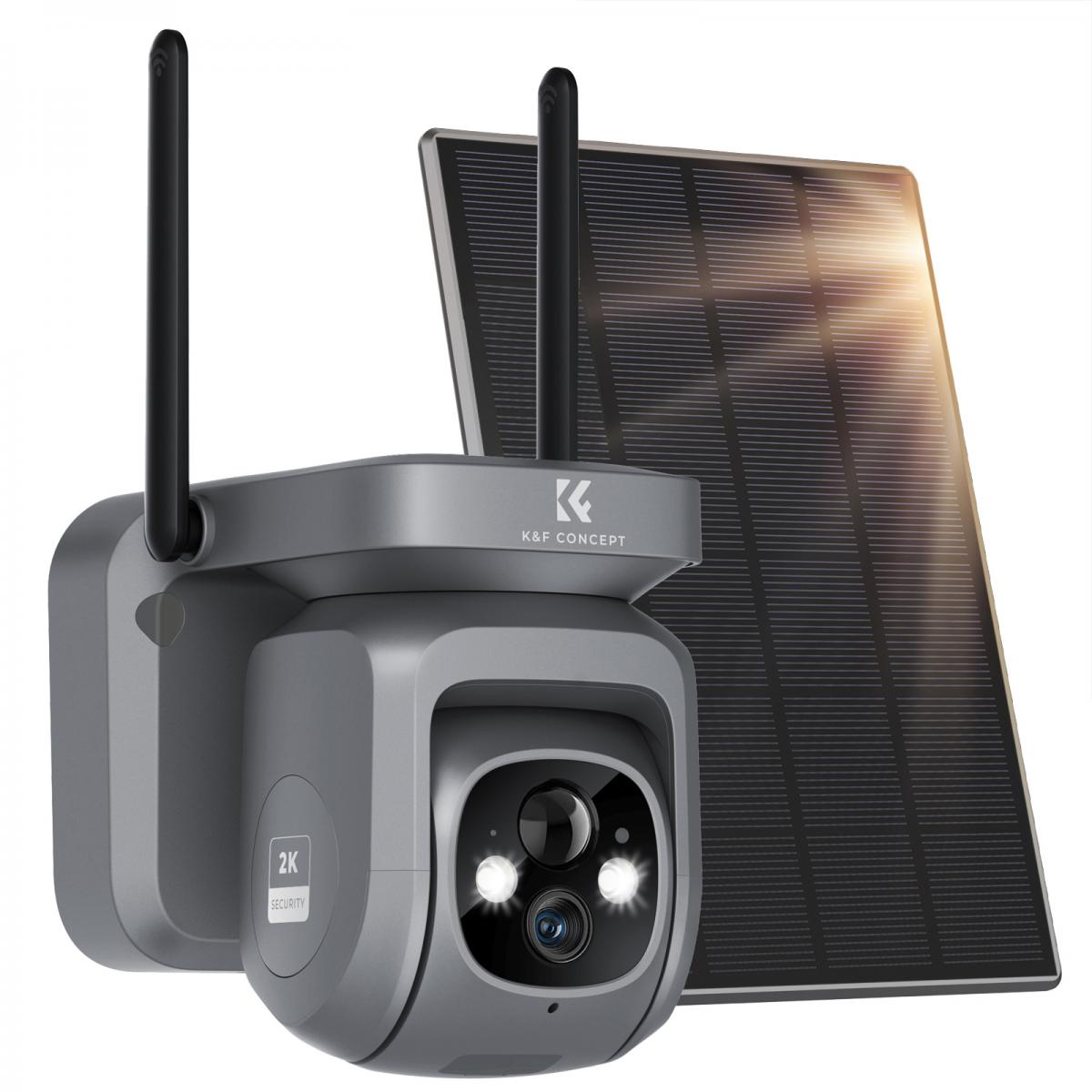
5. Power via Solar Energy:
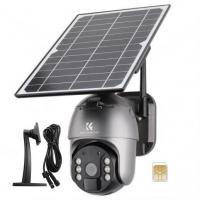
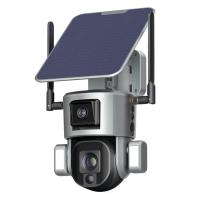
Installing solar panels specifically designed for surveillance camera systems can offset electrical grid usage and reduce long-term costs.
6. Centralized Data Processing:
Instead of having each camera process data locally, using centralized systems can reduce the computational power—and hence energy—required by individual cameras.
7. Periodic Maintenance:
Ensure your cameras are clean and functioning properly. Dust or obstructed lenses can force cameras to work harder, increasing energy use unnecessarily.
Balancing Energy Consumption with Performance Needs
While reducing power use is important, it should never compromise system reliability and security. Surveillance systems serve critical functions, including safeguarding people and property, so their design must prioritize functionality over absolute energy efficiency. However, there is a balance—and understanding both your needs and the power consumption potential of the equipment can help you make informed decisions.
For example, locations requiring high-detail monitoring may require IP cameras with 4K resolution and night vision, while low-priority areas could function effectively with analog cameras or lower-spec devices. Furthermore, implementing scalable systems that allow performance upgrades over time can prevent initial overinvestment and energy waste.
Surveillance Camera Innovations in Energy Efficiency
Fortunately, technological advancements are already making surveillance cameras increasingly energy-efficient. Innovations like artificial intelligence (AI) are helping cameras optimize operations, ranging from dynamic resolution adjustment to smart recording based on environmental changes. Meanwhile, the integration of renewable energy sources, such as solar and wind-powered setups, allows for entirely energy-neutral installations.
Moreover, smart surveillance systems are gaining popularity for their ability to adjust performance dynamically—allocating processing power only when triggered by motion, unusual activity, or user-defined events.
Conclusion
Understanding the power usage of surveillance cameras is not only a practical exercise; it is a stepping stone toward building sustainable, efficient, and cost-effective security systems. Cameras vary widely in energy consumption based on design, type, and additional features, with rates typically ranging from 4 to 15 watts per hour. By strategically calculating power needs, employing energy-saving methods, and embracing modern technology, you can minimize your surveillance system’s energy footprint while maintaining its effectiveness.
For users considering whether to invest in surveillance cameras or optimize existing systems, the primary takeaway is clear: assess your needs, educate yourself on product specifications, and adopt measures that strike the right balance between energy efficiency and performance. Whether you’re managing a home surveillance setup or a large-scale enterprise system, understanding the dynamics of power consumption can lead to smarter and more sustainable decision-making in the long run.