What The View Through A Monocular?
Exploring the World Through a Monocular: A Comprehensive Guide
Optics have always captivated our curiosity, allowing us to delve deeper into the minutiae of the world around us. Among optical devices, monoculars stand out for their compact design and versatility. But what exactly does viewing the world through a monocular entail? In this article, we’ll dive into the nuances of monocular optics, exploring everything from its usability and advantages to practical tips for getting the most out of your experience with it.
What is a Monocular?
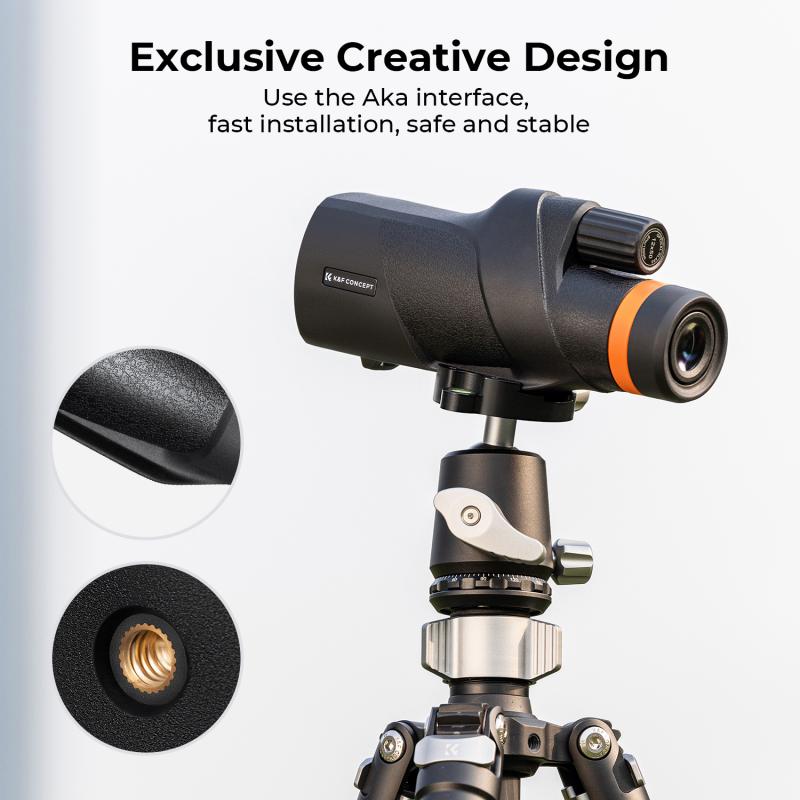
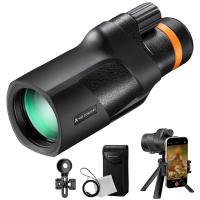
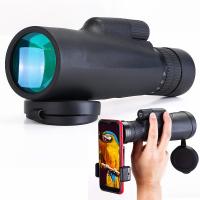
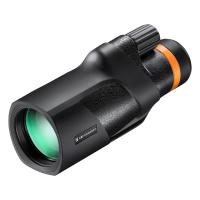
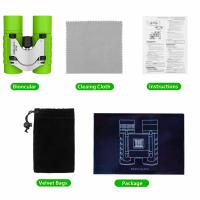
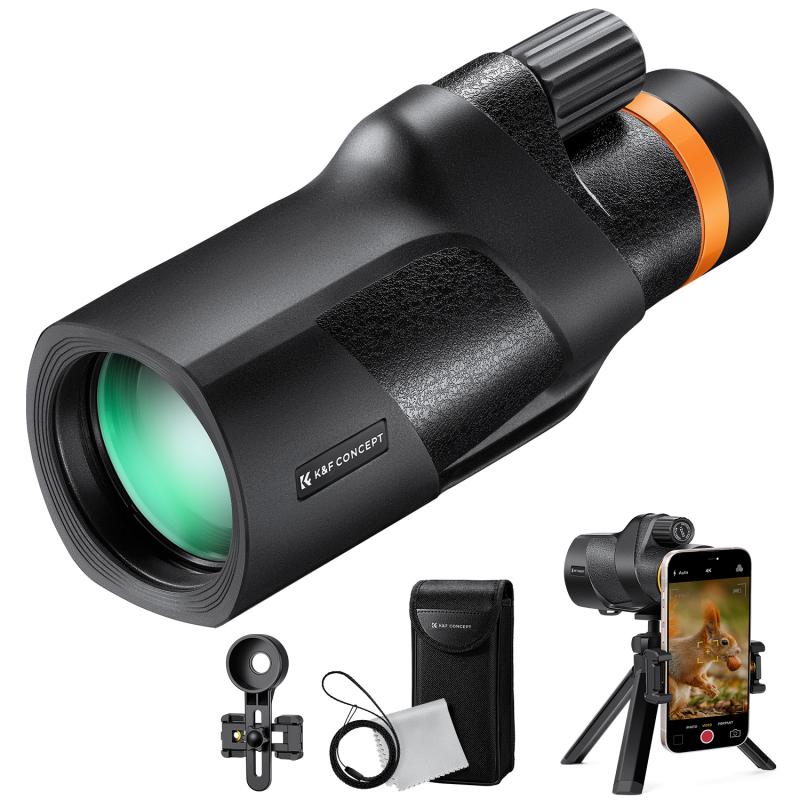
Before we discuss the actual "view," it's important to understand what a monocular is. A monocular is a single-lens optical device used for magnifying distant objects. Essentially, it can be described as half a pair of binoculars—a lightweight tool that provides high levels of magnification similar to binoculars, but in a more compact and portable form. Its design makes it particularly convenient for travelers, hikers, birdwatchers, and anyone who enjoys exploring the world in closer detail but does not wish to carry bulkier equipment.
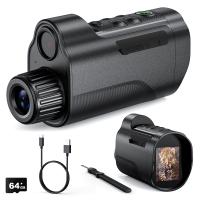
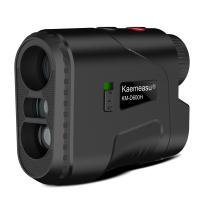
Monoculars generally offer magnifications ranging from 4x to 12x, and sometimes even beyond. They come in various sizes and can include features like night vision, built-in rangefinders, or image stabilization. The lens configuration and coatings used in monoculars can vary, impacting their performance in terms of clarity, brightness, and field of view.
The World Through a Monocular: What Can You See?
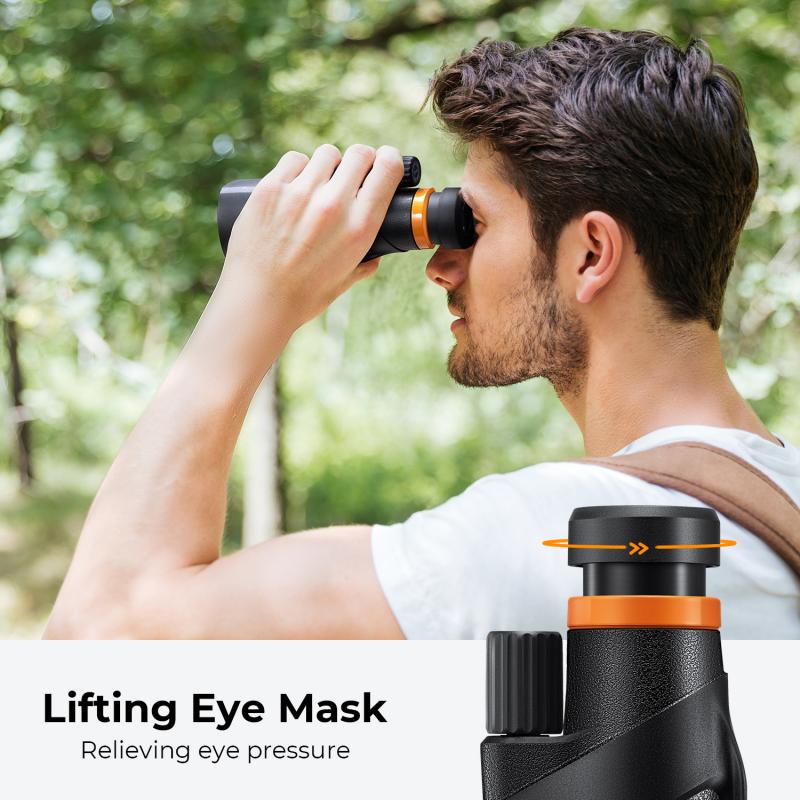
Using a monocular opens a window to an enriched visual experience. It enhances distant details, allowing you to observe intricate textures, vibrant colors, and subtleties otherwise invisible to the naked eye. When you look through a monocular, it creates a tunnel vision effect: one of your eyes perceives a magnified, close-up image while your other eye remains disengaged. This can take a little getting used to if you are accustomed to binoculars. Once adjusted, you'll appreciate the monocular's ability to bring far-off scenes and objects into sharp focus.
The experience of viewing through a monocular is like peeling away a veil from the ordinary. Even bland landscapes transform into spectacles as you witness nuances like the movement of distant wildlife, the shine of dew on grass, or the intricate architecture of faraway monuments.
However, due to the device’s single-eye view and narrower field of vision compared to binoculars, the experience can feel somewhat limited in terms of depth perception and context. Unlike binoculars, which can create a three-dimensional sense of space, monoculars are best suited for spotting stationary or slow-moving objects rather than tracking fast-moving subjects.
Practical Uses for Monoculars
1. Birdwatching
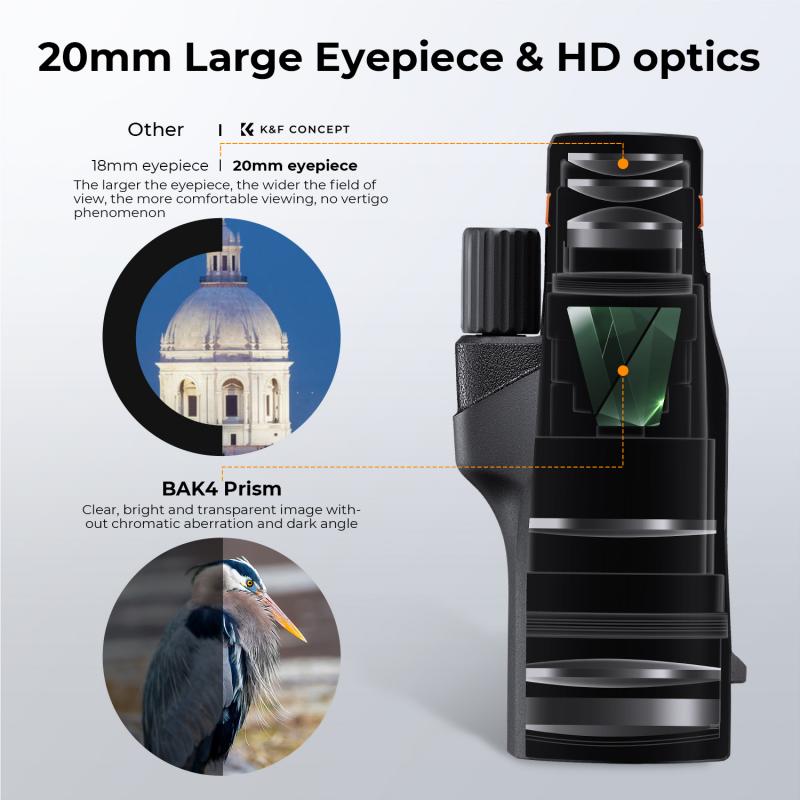
The compact design and high optical resolution of monoculars make them excellent tools for birdwatching. While binoculars have traditionally dominated this field, monoculars provide a lightweight alternative for those who prefer to focus on individual birds or smaller flocks.
2. Hiking and Camping
Adventure enthusiasts often bring monoculars on their journeys because of how conveniently they fit into a backpack or jacket pocket. Whether you’re gazing at mountain peaks, scouting trails, or identifying animals in the distance, a monocular enhances your outdoor exploration without adding unnecessary weight.
3. Travel and Tourism
For travelers visiting historic sites, museums, or coastal destinations, monoculars allow you to zoom in on captivating details of monuments, fine craftsmanship, or marine life. Their portability makes them ideal for moments when carrying a camera lens or binoculars isn’t practical.
4. Sports Events
Monoculars can be highly useful for sports enthusiasts, particularly for viewing matches or races in large stadiums. They enable you to follow key moments and players with precision, helping you enjoy the event from afar.
5. Surveillance and Security
Security professionals and private individuals value monoculars for their ability to magnify details discreetly. Some monocular models with night vision capabilities are especially useful in low-light conditions, enabling surveillance during nighttime hours.
6. Astronomy
Although not as powerful as telescopes, high-magnification monoculars can be used to observe celestial objects like the moon or even spot planets. Monoculars equipped with advanced optics provide stunning clarity for casual stargazing sessions.
7. Hunting
Hunters often need to pinpoint targets at extended distances. Monoculars, especially those with range-finding functionalities, provide a lightweight and portable solution that complements riflescopes or other equipment.
8. Emergency Preparedness
Rescue teams may use monoculars to scan vast areas while searching for people during emergencies. Compact night-vision monoculars are particularly beneficial in low-light rescue scenarios, helping locate survivors more effectively.
Advantages of Using a Monocular
1. Portability: A monocular is lightweight, compact, and easy to carry, which makes it immensely portable compared to heavier binoculars or telescopes.
2. Cost-Effective: Monoculars are typically more affordable than binoculars, offering similar magnification capabilities at a lower price point.
3. Ease of Use: With fewer adjustments required, monoculars can be quicker for aiming and focusing.
4. Versatility: Monoculars often include advanced features like night vision, thermal imaging, and rangefinders, making them suitable for various applications beyond mere observation.
5. Discreet Viewing: A monocular is less conspicuous than binoculars, making it ideal for more discreet use such as private observation or security monitoring.
How to Optimize Your Monocular Viewing Experience
1. Learn the Basics of Focus
Many monoculars come with manual focus mechanisms. Before using your device in the field, familiarize yourself with the focusing knob or ring to make adjustments based on your viewing distance.
2. Choose the Right Magnification
The magnification level determines how much closer an object will appear. For general purposes like hiking or birdwatching, a lower magnification (6x to 8x) works well as it provides a wider field of view. High magnification (10x or more) is better suited for distant objects but also narrows your vision.
3. Hold Steady
Because monoculars focus a large distance into a small field of view, any hand tremors or instability can blur your image. Consider stabilizing your monocular by using a tripod, bracing your elbows on a solid surface, or resting it against your knee.
4. Consider Your Purpose
Different scenarios call for specific types of monoculars. If you’re observing wildlife at dusk or dawn, a monocular with excellent low-light performance may be the best choice. For stargazing, prioritize a higher magnification and field of view.
5. Explore Additional Features
Advanced monoculars often include functional upgrades. Waterproof designs, night vision, thermal imaging, and anti-reflective coatings all enhance performance under specific conditions—choose a model that fits your needs.
6. Keep It Clean
Like all optical equipment, monoculars require occasional cleaning to remove dust, smudges, and moisture. Use microfiber cloths and lens-cleaning solutions to maintain their clarity and performance.
Limitations of Monoculars
While monoculars are incredibly useful, they aren’t without limitations. Their single-lens design offers less depth perception compared to binoculars, which can make it harder to judge distances accurately. Additionally, the narrower field of view may not be ideal for scanning broader landscapes or tracking fast-moving objects. Comfort can also be an issue during extended use with the single-eye setup sometimes leading to eye strain.
Those who prioritize these particular aspects might find binoculars a better fit, though monoculars retain distinct advantages for portability, affordability, and convenience in specific scenarios.
Final Thoughts
The view through a monocular offers a unique perspective—one of precision, magnification, and attention to detail. Whether you're scanning for wildlife, marveling at architectural wonders, or tracking celestial objects, monoculars empower you to see deeper into your surroundings, uncovering layers of richness typically missed by the naked eye.
Understanding your specific requirements, exploring additional functionalities, and mastering the basics of monocular use can significantly enhance your experience. With their small size and versatile applications, monoculars are a valuable tool for both casual observers and professional adventurers alike. So, grab a monoc