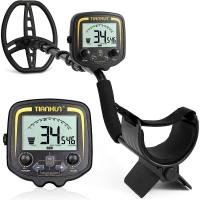
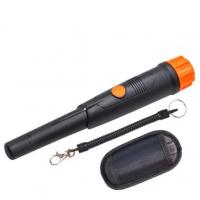
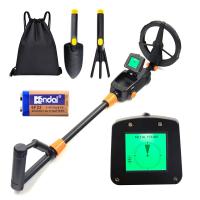
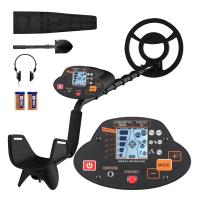
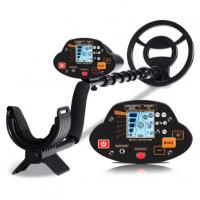
What Do Hand Held Metal Detectors Detect?
Handheld metal detectors are widely employed in security screenings, archaeological explorations, industrial inspections, and treasure hunts. These compact devices have become indispensable tools due to their portability, efficiency, and ability to detect metallic objects. People frequently ask how they work, what types of metals they can identify, and whether they are suitable for specific applications. In this article, we’ll delve deeper into the functionalities of handheld metal detectors and their practical applications while addressing common user questions and misconceptions.
How Handheld Metal Detectors Work
To understand what a handheld metal detector can detect, it's essential to examine its operating principles. These devices operate based on the principles of electromagnetic induction. The metal detector generates a low-frequency electromagnetic field through its coils, which creates an alternating current. When this electromagnetic field encounters a metallic object, the object disrupts the field, causing eddy currents to generate a new magnetic field. The detector’s internal circuitry senses this disturbance and produces an audible or vibration-based alert to notify the user.
This ability to detect disruptions in electromagnetic fields means that handheld detectors can pick up a variety of metals, provided they are conductive or ferrous in nature.
Types of Metals Detected
Handheld metal detectors are capable of identifying a range of metals, which can generally be classified into the following categories:
1. Ferrous Metals

Ferrous metals, such as iron and steel, are highly magnetic. Handheld metal detectors excel at detecting these metals because of their magnetic properties. This makes them suitable for security screening applications to identify weapons like guns and knives, as such items often contain ferrous metals.
2. Non-Ferrous Metals
Non-ferrous metals like aluminum, copper, brass, and zinc are also detectable by most handheld devices. They have excellent conductivity, which makes disrupting the electromagnetic field easier, but they are not magnetic. Despite this, professional-grade handheld detectors can often detect non-ferrous metals effectively. For instance, aluminum items such as beverage cans or copper wiring are commonly identified during inspections.
3. Precious Metals
Precious metals like gold, silver, and platinum are highly desirable for their value and properties. Many hobbyists and treasure hunters use handheld metal detectors specifically to find such items. Precious metals are non-magnetic but highly conductive, which makes them detectable depending on the sensitivity and frequency settings of the detector.
4. Mixed Alloys
Many modern items are made from mixed alloys that combine characteristics of ferrous and non-ferrous metals. Handheld detectors are particularly adept at recognizing such items, which is why they’re so effective in industrial inspections, where machinery parts need to be scanned.
Common Applications of Handheld Metal Detectors
Handheld metal detectors function across a wide variety of scenarios. Each use case aligns with the device's capability to identify metallic objects, whether ferrous or non-ferrous.
1. Security Screenings
Handheld metal detectors are ubiquitous in airports, concerts, courthouses, and schools. They are primarily relied upon to detect concealed weapons (e.g., guns, knives, and metallic handcuffs). Portability, ease of use, and quick scans make these devices ideal for high-traffic security checkpoints.
2. Lost Item Recovery
Metal detectors are also popular for finding lost metallic items, be it keys, jewelry, or valuable tools. For instance, someone who accidentally loses their wedding ring on a sandy beach can use a handheld metal detector to locate it with ease.
3. Archaeological Finds
In archaeological settings, metal detectors help discover ancient coins, weaponry, or other relics made from iron, bronze, or gold. Portable handheld detectors are particularly useful for pinpointing rare historical items buried near the surface.
4. Treasure Hunting
Treasure hunters and hobbyists often rely on metal detectors to locate small valuables like gold nuggets or hidden treasures. High-precision handheld models allow them to navigate tighter spaces or dig more accurately around objects identified by larger scanning devices.
5. Industrial Use
Handheld metal detectors are used in industrial settings to confirm product safety, ensure compliance with manufacturing standards, and prevent hazards. For instance, they can detect stray metallic particles in food products or scan wooden pallets for embedded nails.
Factors That Affect Detection
While handheld metal detectors are versatile, certain factors influence their detection capabilities. Understanding these limitations and variables will improve a user’s ability to deploy them effectively.
1. Size and Depth of Metallic Object
Smaller objects are harder to detect than larger items, and items buried deeper beneath the ground or encased in another material are more difficult to identify. Most handheld detectors have a limited depth detection range—typically a few inches—making them best suited for surface-level or moderately buried objects.
2. Material Type
Conductive and magnetic properties of the material play a significant role in detection. Ferrous objects (like steel) produce a stronger electromagnetic response than non-ferrous objects like aluminum or gold.
3. Sensitivity Settings
High-end handheld metal detectors allow users to adjust sensitivity settings. If set too high, detectors may mistake environmental "noise," such as mineral content or electronic interference, for metallic objects. Conversely, settings that are too low may fail to detect smaller or low-conductivity materials.
4. Environmental Conditions
Environmental factors like soil composition, water content, and the presence of minerals can affect detection performance. For example, "hot rocks" (rocks with high mineral content) might trigger false positives when searching for metals in the ground.
5. Detector Quality
Not all handheld metal detectors are created equal. Entry-level models may work well for casual use but may fail to detect low-conductivity metals like gold. On the other hand, professional-grade devices offer superior sensitivity, build quality, and reliability.
Myths and Misconceptions About Metal Detectors
1. "A Metal Detector Can Detect Anything!"
Not true. Handheld metal detectors are not universal "find-all" devices. They are optimized for metallic objects and may fail to identify materials like ceramics, plastic, or wood.
2. "Gold and Silver Cannot Be Detected"
Gold and silver are detectable, but their conductivity and non-magnetic properties mean that specialized or high-frequency devices are often required to identify them effectively.
3. "The Bigger the Metal Object, the Easier the Detection"
While size is a factor, the material composition plays an equally, if not more, critical role. Even a large piece of stainless steel (low magnetic properties) can be harder to detect than a smaller piece of iron.
Choosing the Right Handheld Metal Detector for Your Needs
If you’re considering investing in a handheld metal detector, it’s critical to match your requirements with the detector’s capabilities.
1. For Security Use:
Choose devices optimized to quickly detect weapons and ferrous metals with high accuracy. Portability and durability should also be priorities.
2. For Treasure Hunting:
Opt for models that feature customizable frequency settings and can differentiate between different types of metals. Look for devices with pinpointing capabilities.
3. For Hobbyist Use:
A mid-range metal detector with user-friendly features should suffice for personal use, such as retrieving lost valuables on a beach or in a park.
4. For Industrial Inspections:
Pick a sturdy, professional-grade detector that can reliably identify small metallic contaminants and function well in varied environments.
Handheld metal detectors serve as versatile tools across numerous industries and recreational activities. From identifying security threats at checkpoints to helping treasure hunters locate hidden riches, these devices offer invaluable utility. However, understanding the types of metals they can detect and factors that influence their performance is key to utilizing them effectively. Whether you’re a security professional, archaeologist, or curious hobbyist, the right knowledge coupled with a high-quality handheld detector can make all the difference in achieving your goals.