How Do Wireless Backup Cameras Work?
Wireless backup cameras have become an essential tool in modern vehicles, enhancing driver safety and convenience. These systems, which allow drivers to see what is behind them while reversing, operate without the need for extensive wiring connections—a significant advantage over traditional wired systems. Despite their compact design and simplicity, wireless backup cameras involve several functional components and advanced technologies that make them reliable tools for drivers. This article delves into how wireless backup cameras work, their components, the technology behind them, and key factors to consider when purchasing or using one.
The Basic Function of a Wireless Backup Camera

At its core, a wireless backup camera is designed to transmit real-time footage from the rear of your vehicle to a display screen positioned where the driver can view it, typically on the dashboard or rearview mirror. The system consists of three primary components: the camera, the transmitter/receiver, and the display unit.
When the vehicle is put into reverse gear, the backup camera positioned at the rear of the vehicle activates. This small camera captures a live view of what lies behind the vehicle, including obstacles, pedestrians, or oncoming traffic. The footage is then wirelessly transmitted from the camera to a receiver connected to the display.
How Transmission Works

Wireless backup cameras use radio frequency (RF) signals to transmit video data from the camera to the display monitor. Here’s how this process occurs step-by-step:
1. Camera Activation: When you shift the vehicle into reverse, the backup camera receives power from the reverse light circuit or another electrical source and turns on.
2. Image Capture: The camera starts capturing video footage of the rear surroundings. Most modern cameras provide a wide-angle view to cover broader areas.
3. Signal Transmission: A built-in transmitter in the camera encodes and sends the video signal via radio frequencies. These frequencies typically fall within the range of 2.4GHz, which is similar to what Bluetooth and Wi-Fi devices use.
4. Reception: A receiver unit, either built into or connected to the display screen, picks up the wireless signal sent from the camera. The receiver then decodes the signal into a visual feed.
5. Display: The live feed is displayed on a screen, providing the driver with a clear view of what’s behind the car. Some systems may overlay parking guidelines or distance markers to assist the driver with reverse parking.
Components of a Wireless Backup Camera System

To better understand how these systems work, let’s break down their main components and their roles:
1. Backup Camera:
- Mounted on the rear of the vehicle, this camera is typically weatherproof and shockproof to ensure reliable performance.
- Many cameras are equipped with night vision or infrared LEDs to provide visibility in low-light conditions.
- Some cameras come with a wide dynamic range (WDR) feature for better image quality in high-contrast lighting.
2. Transmitter:
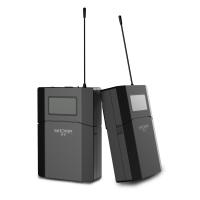
- Located in or attached to the camera, this device sends the captured video feed wirelessly to the monitor.
- The transmitter ensures that the signal reaches the receiver without interference or significant delays.
3. Receiver:
- Integrated into or connected to the display screen, the receiver picks up and processes the wireless video signal for playback.
- Some systems combine the transmitter and receiver functionalities, particularly in high-tech or newer models.
4. Display Monitor:
- This can be a standalone screen mounted on the dashboard, a pre-installed unit within the vehicle’s infotainment system, or even integrated into the rearview mirror.
- High-quality monitors offer clear, real-time video output and sometimes provide additional features like split-screen views or connectivity with parking sensors.
Advantages of Wireless Backup Cameras

Wireless backup cameras offer several benefits compared to their wired counterparts. Understanding these advantages can help decide if they are the right choice for your vehicle:
1. Simplified Installation: Without the need for extensive cabling between the rear camera and the dashboard, wireless systems are relatively easier and faster to install.
2. Cost-Effectiveness: In many cases, wireless systems eliminate the labor and material costs associated with running wires through the vehicle.
3. Versatility: Wireless cameras are a great option for retrofitting older vehicles that didn’t originally include a backup camera system.
4. Convenience: The system automatically activates when the car is put in reverse, delivering real-time footage without any manual operation needed.
Potential Limitations
However, wireless systems are not without their challenges. Here are some potential drawbacks:
1. Signal Interference: Because they rely on radio frequencies, wireless backup cameras are susceptible to interference from other devices that operate on the same frequency range, such as Wi-Fi routers or Bluetooth devices.
2. Latency Issues: While generally fast, wireless systems may experience slight delays in signal transmission, which could be problematic in high-stakes situations.
3. Power Source Requirements: Most wireless cameras draw power from the vehicle’s reverse light wiring, which requires some level of technical knowledge to install correctly.
4. Image Quality: Certain wireless systems might offer lower video resolution compared to high-end wired backup cameras, though technological advancements continue to bridge this gap.
Technology Improvements in Wireless Backup Cameras
As wireless technology progresses, wireless backup cameras are becoming increasingly sophisticated:
Digital Signals: Many modern wireless cameras now utilize digital signals instead of analog, reducing interference and improving video quality.
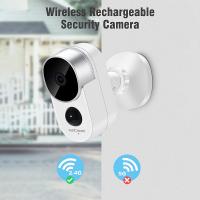
Wi-Fi-Enabled Cameras: Some systems connect directly to a smartphone or tablet via Wi-Fi, eliminating the need for a dedicated monitor.
Enhanced Night Vision: Infrared technology and advanced imaging sensors allow better visibility in low-light or nighttime conditions.
Parking Assistance: Built-in features like parking guides, object detection, and even automatic braking are being incorporated into wireless systems.
Extended Range: Higher-quality systems now offer extended wireless range capabilities, making them suitable for larger vehicles such as RVs or trucks.
Practical Considerations for Choosing a Wireless Backup Camera
If you’re considering installing a wireless backup camera in your vehicle, several factors should guide your decision:
1. Compatibility: Ensure the camera system is compatible with your vehicle model and any existing infotainment systems.
2. Resolution: Look for cameras with higher resolution and wide-angle lenses for clearer and more comprehensive views.
3. Weather Resistance: If you live in an area with extreme weather conditions, select a system that is built to withstand rain, heat, and freezing temperatures.
4. Ease of Installation: If you’re not familiar with car electronics, consider systems that offer professional installation services or come with user-friendly instructions.
5. Additional Features: Many systems now include advanced features like night vision, multiple camera support, or smartphone integration, which can add extra functionality to your purchase.
Installation Process
While wireless cameras reduce the need for elaborate wiring, proper installation is still critical to ensure optimal performance. Here’s a summary of the general steps involved:
1. Mount the Camera: Attach the camera to the rear of your vehicle, often on the license plate frame or bumper.
2. Connect the Power: Wire the camera to the vehicle’s power source, typically the reverse light circuit, so that it activates automatically when reversing.
3. Install the Receiver and Monitor: If the system requires an external receiver, position it somewhere discrete near the dashboard and ensure the display screen is mounted securely.
4. Test the System: Before securing everything in place, test the system to ensure it is transmitting and displaying properly.
Wireless backup cameras blend essential safety functions with user-friendly design, making them an invaluable accessory for modern drivers. By understanding how these systems work, including their core components, signal transmission methods, and setup requirements, you can select and maintain a system that best meets your needs. As vehicle technology continues to advance, wireless backup cameras are likely to become even more essential in supporting safe driving practices. Whether you own a compact car or a large SUV, investing in a wireless backup camera system is a practical way to enhance both your safety and convenience on the road.