How To Detect A Hidden Security Surveillance Camera?
## How to Detect a Hidden Security Surveillance Camera: A Practical Guide
Hidden security cameras are often employed in public spaces, businesses, and sometimes even private settings for monitoring or questionable purposes. While cameras can serve legitimate security purposes, the invasive use of concealed surveillance equipment raises concerns about privacy. Whether you're staying at a hotel, renting a short-term property, or simply concerned about surveillance in your home or office environment, detecting these hidden cameras is absolutely essential to ensure your privacy. In this guide, we’ll explore practical and technical strategies for finding hidden surveillance devices.
1. Understanding Why Hidden Cameras Are Used
Hidden cameras can stem from legitimate and illegitimate intentions. Security agencies, businesses, or homeowners may conceal cameras for protection or to avoid vandalism of surveillance equipment. However, illegal use cases, such as monitoring others in private spaces without consent, are breaches of privacy rights, often punishable by law. Regardless of intention, knowing how to detect concealed cameras gives you control over your privacy and safety.
2. Locations Where Hidden Cameras Are Commonly Found
Hidden cameras can be disguised in everyday objects or concealed strategically in an environment. Below are common places or objects to inspect if you suspect the presence of a hidden camera:
Household Items: Cameras can be hidden in clocks, smoke detectors, air purifiers, speakers, lamps, or picture frames.
Restrooms and Bedrooms: These private spaces are often targeted by unauthorized surveillance. Look for cameras embedded in mirrors or showerheads.
Public Areas: Businesses or public venues may place cameras inside ceiling tiles, vents, or electrical outlets for monitoring employees or customers.
Rental Spaces: In properties rented via platforms like Airbnb, cameras may be hidden in television sets, routers, or bookshelves.
Knowing where cameras are most likely concealed can help you shift focus to these hotspots during your inspection.
3. Methods to Detect Hidden Cameras
Detecting hidden cameras requires vigilance and a combination of manual and technical methods. Below we outline both approaches for comprehensive surveillance detection.
a) Conduct a Visual Inspection
The simplest way to uncover hidden cameras is through careful observation. Follow these steps:
Look for Odd or Out-of-Place Items: Identify objects that seem unusual or do not belong in the environment. For example, does a smoke detector appear unusually large or misplaced?
Check for Lenses: Many hidden cameras rely on pinhole-size lenses. Shine a flashlight on suspicious objects or surfaces to identify reflective points.
Examine Mirrors: In private spaces like bathrooms, cabins, or changing rooms, check if mirrors are two-way. You can test this by pressing your finger against the surface of the mirror. If there’s no visible gap between your finger and its reflection, it may be a two-way mirror with a camera on the other side.
b) Use Infrared Camera Detection Techniques
Many hidden cameras use infrared (IR) for night vision. You can discover them through IR detection methods:
Smartphone Camera Approach: Turn off the lights in the room and use your smartphone camera to scan for infrared sources with no visible light. Some cameras will emit faint red or purplish light detectable through most smartphone cameras.
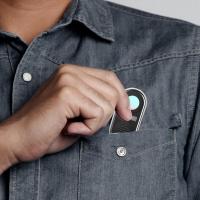
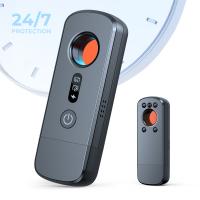
Specialized Infrared Detectors: You may invest in affordable infrared detection equipment designed to locate hidden surveillance devices.
c) Leverage Radio Frequency (RF) Signal Scanners
Some cameras transmit data wirelessly, especially those without local storage. RF detectors or signal scanners can intercept frequencies emitted by wireless cameras:
Use a Dedicated RF Detector: These devices are designed to scan electromagnetic emissions across frequencies commonly used by surveillance systems (e.g., Wi-Fi or Bluetooth communication).
Bluetooth and Wi-Fi Scanning: You can use your smartphone or laptop to detect unusual wireless network connections labeled with generic terms (like "Camera Network" or unknown device IDs).
d) Mobile Apps for Camera Detection
There are mobile apps specifically designed to locate hidden cameras. These apps scan for the electronic signatures of small surveillance devices. Some use augmented reality technology, guiding you to hotspots in the area.
Popular apps include:
- Hidden Camera Detector
- Glint Finder (for camera lens reflection)
- Spy Camera Finder
Ensure you’re downloading trusted apps authorized by reputable developers to avoid fraudulent or ineffective tools.
e) Listen for Unusual Noises
Sometimes, hidden cameras or microphones may produce quiet buzzing or clicking sounds. When in complete silence, listen closely to identify such noises, which could provide clues about the camera's location.
4. Advanced Detection Techniques for Hidden Cameras
If manual techniques are not enough, advanced tools are available to streamline hidden camera detection:
a) Thermal Imaging Devices
Hidden surveillance devices can emit heat during operation. Thermal imaging tools can help spot suspicious heat signatures from hidden electronics, such as cameras or recorders.
b) Acoustic Detection Tools
Microphones used for surveillance can sometimes generate audio emissions. Acoustic tools specifically calibrated for surveillance detection can be used in sensitive areas requiring maximum privacy.
5. Counteracting Hidden Surveillance
Once a hidden camera has been detected, it’s essential to address the situation appropriately. Here’s how you can protect yourself:
a) Disable or Cover the Camera
Cover the lens with tape, fabric, or any opaque material to obstruct the view. For cameras embedded in sensitive objects, unplugging or removing the device entirely might be feasible.
b) Report Privacy Breaches
If you uncover unauthorized recording devices, immediately document the finding (e.g., photographs, timestamps) and report the breach to local authorities, the property owner, or the relevant platform (such as Airbnb).
c) Implement Privacy Safeguards
Proactively mitigate surveillance risks by:
- Using anti-spy cameras that immobilize existing surveillance systems.
- Hiring professionals to sweep your home or workplace for hidden electronics.
- Routinely inspecting new environments, especially high-risk areas like rental properties, hotels, and changing rooms.
6. Ethical and Legal Considerations
While learning to detect hidden cameras is essential for privacy protection, it’s also crucial to understand the legal implications. Surveillance laws vary by country and region; the unauthorized placement of cameras (especially in private spaces such as bathrooms or bedrooms) is usually a punishable offense. Use surveillance detection techniques responsibly without encroaching on others’ legitimate security measures.
7. Conclusion
Detecting hidden surveillance cameras may seem daunting at first, but armed with the right knowledge and tools, you can reclaim your privacy and prevent unauthorized monitoring. Start with visual observations, leverage technology such as RF scanners and mobile apps, and take the necessary steps to safeguard your environment.
Don’t compromise on privacy. In a world increasingly reliant on surveillance devices, taking proactive measures to detect hidden cameras ensures your personal space remains secure. Stay vigilant, informed, and prepared for every situation. It’s not just about finding the cameras—it’s about ensuring your peace of mind by knowing your boundaries are respected.




![3mm/0.12in Industrial Borescope Inspection Camera with Light 180° 2-Way Articulating [3.28ft Cable]](https://img.kentfaith.com/cache/catalog/products/us/GW45.0108/GW45.0108-1-200x200.jpg "3mm/0.12in Industrial Borescope Inspection Camera with Light 180° 2-Way Articulating [3.28ft Cable]")