Can Cameras Go In Carry On Bags?
Traveling with valuable and delicate items like cameras can be a source of concern for many travelers. One of the most common questions posed by photographers and hobbyists alike is whether cameras are permitted in carry-on luggage. A key factor in ensuring a satisfactory travel experience involves not just understanding the transportation security regulations but also preparing in advance for handling such items to ensure they safely reach their destination. Here, I will outline essential considerations involved in carrying a camera in your carry-on luggage, with helpful tips and practical advice for travelers.
## 1. Understanding Airline Regulations
The Transportation Security Administration (TSA) and other international aviation agencies generally allow cameras to be carried in carry-on luggage. However, it’s important to verify specific regulations concerning electronics for both the airline and country of travel. For instance, some international flights may have stricter regulations regarding the use of electronic devices.
Typically, the TSA does require electronic items larger than a cell phone to be removed from bags and placed in a screening bin to be scanned separately. This includes digital cameras, but not necessarily smaller accessories like lenses or memory cards.
## 2. Maximizing Safety During Travel
Even though cameras can travel in carry-on bags, keeping them safe involves more than just compliance with security protocols. Here are some strategies to minimize the risk of damage or theft while traveling with cameras:
a. Use a Protective Case
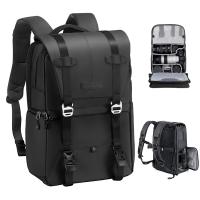
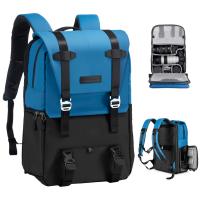
Ensure that your camera is packed in a quality camera bag or case designed to cushion and protect your gear from jolts and bumps. These cases often come with padded compartments and are built to handle the rigors of travel.
b. Keep Valuables Close
Always keep your camera in carry-on luggage rather than checked baggage to minimize the risk of theft and exposure to rough handling. Checked luggage is more likely to be lost or mishandled, making carry-on bags a safer option for valuable items.
c. Utilize Insurance

Consider investing in travel insurance that covers your electronic devices, including your camera. This not only provides peace of mind but can also be invaluable should your equipment be lost or damaged.
d. Maintain Backup Solutions
Always keep backup memory cards and batteries in separate parts of your luggage to avoid losing all your data if a bag is misplaced. Additionally, backing up images on a cloud service before travel can safeguard against data loss.
## 3. Efficient Packing Tips
Packing a camera efficiently not only keeps it safe but also allows for the space to carry other essentials. Here are some tips from seasoned travelers:
a. Minimize Accessories
Only take necessary accessories, such as one or two versatile lenses that you can use in multiple shooting conditions. This reduces overall bag requirements and leaves more room for other items.
b. Disassemble Gear
If feasible, disassemble removable parts like lenses and flashes, and pack them separately within the bag to distribute weight and prevent damage to the camera body.
c. Organize and Label
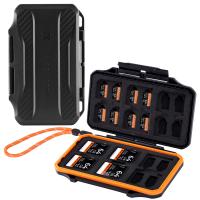
Organize smaller parts, like memory cards, within pouches or bags and label them for easy access. This prevents them from becoming loose or lost in transit.
d. Battery and Power Management
Remove batteries from the camera when not in use during travel to prevent accidental power-ons, which can deplete the charge. Keep spares within the carry-on but in compliance with airline guidelines for carrying spare batteries.
## 4. Security Checkpoints and Electronics
Navigating through airport security with a camera may require additional consideration due to the need to separate electronics for scanning. Here are some suggestions for a smoother security screening process:
a. Early Arrivals
Plan to arrive early at the airport to allow extra time for screenings and potential re-checks on your electronics. This reduces stress and ensures sufficient buffer time for your flight.
b. Follow Directions
Listen and adhere to security personnel instructions regarding where and how to place your equipment during screening. Some newer lanes offer electronic bins for easier handling of fragile items.
c. Be Prepared for Additional Checks
Be aware that security may require further inspection of your camera. Clear lines of communication and a respectful attitude typically lead to a hassle-free experience during manual inspections.
## 5. Upon Arrival: Keeping Your Device Safe
Once you’ve arrived at your destination, ensure that your camera remains safe and is ready for use:
a. Room Security
Store your camera discreetly in a hotel safe when not in use, especially if you're staying in shared accommodations. Be mindful of theft risks in open spaces or common areas.
b. Use Camera Equipment Securely in Public
In tourist-heavy or high-theft areas, use straps, and lock mechanisms to minimize theft risk. Additionally, be aware of your surroundings and avoid displaying equipment openly when not necessary.
## Conclusion
Traveling with a camera in your carry-on bag is not only permissible but ideal for ensuring the safety and availability of your equipment. Proper foresight in adhering to airline policies, investing in suitable protective gear, and preparing adequately for airport procedures can guarantee that your experience with carrying a camera on board is smooth and stress-free. Following the strategic advice provided, travelers will find that they can maintain focus on their journeys—and capturing their experiences—rather than worrying about the safety of their valuables. Whether you're traveling for professional photography assignments or simply capturing memories, careful planning will help you accomplish your creative and practical goals effectively.