Can Digital Cameras Detect Infrared?
Digital photography has seen remarkable advancements since its inception, creating opportunities for capturing scenes that were previously invisible to human eyes. One intriguing aspect of digital technology relates to its ability to detect infrared light. This article explores how digital cameras can detect infrared light, the technical principles behind this capability, the potential applications of infrared photography, and practical tips for converting standard cameras into infrared-detecting devices.
Understanding Infrared Light and Digital Cameras
Infrared light consists of wavelengths just beyond the visible spectrum, generally ranging from approximately 700 nanometers (near infrared) to 1 millimeter (far infrared). Humans cannot see infrared light, but many digital cameras can detect it. This capability stems from the fact that most digital imaging sensors—whether CMOS or CCD—are inherently sensitive to wavelengths across a broader range, including infrared light.
In a typical digital camera, a Bayer filter and an infrared-blocking filter restrict light to the visible spectrum so that images appear "normal" to human perception. However, by removing or altering these filters, infrared detection becomes possible. This conversion essentially extends the camera's functionality, allowing it to capture a world unseen by the human eye.
Why Can Digital Cameras Detect Infrared?
The core mechanism behind infrared detection in digital cameras is the nature of their image sensors. Both CCD (Charge-Coupled Device) and CMOS (Complementary Metal Oxide Semiconductor) sensors are designed to convert light into electronic signals, regardless of wavelength. While their primary design targets the visible spectrum, these sensors do not inherently exclude infrared light unless physically blocked by filters.
In most consumer-grade cameras, manufacturers include an IR-blocking filter above the sensor to ensure infrared light does not interfere with day-to-day photography. Without this filter, infrared wavelengths would cause color distortions and reduce overall image accuracy. However, specialized cameras (such as those used for scientific research, surveillance, or astrophotography) might remove or bypass this filter to take advantage of infrared detection.
Practical Applications of Infrared Photography
Infrared sensing isn’t just a scientific curiosity—it has significant practical implications across various fields. Here are some notable applications that make use of infrared detection in digital photography:
1. Artistic Photography
Infrared photography offers striking creative possibilities by capturing scenes in ways the human eye cannot. For example, vegetation often appears bright, skies turn dark, and textures stand out with stark contrast. This unique aesthetic has made infrared photography popular among experimental photographers.
2. Thermal Imaging
Advanced infrared cameras capable of detecting far-infrared energy can capture heat signatures. This is crucial for applications such as search and rescue missions, energy audits, and wildlife observation. Thermal infrared detection requires specialized equipment and operates differently compared to near-infrared sensing.
3. Astronomy
Infrared photography plays a critical role in astronomy. By detecting infrared light emitted by celestial objects, astronomers can study phenomena hidden behind interstellar dust clouds. Infrared cameras mounted on telescopes often reveal stars, planets, and galaxies obscured in visible wavelengths.
4. Environmental Monitoring
In scientific research, infrared imagery helps study vegetation health, water bodies, and atmospheric conditions. For instance, infrared photography can detect stress in plants due to pests or water scarcity by analyzing light wavelengths beyond the visible spectrum.
5. Security and Surveillance
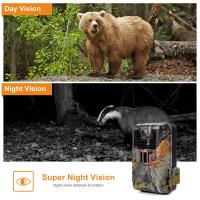
Infrared cameras are widely used for security and surveillance applications, especially for nighttime operations. Since infrared light is invisible to humans but detectable by cameras, it provides a discreet way to monitor activity in darkness.
6. Industrial and Technical Purposes
Infrared detection is critical for inspecting mechanical systems, electronics, and equipment for overheating or wear. Engineers frequently use infrared cameras to identify hotspots in electrical circuits or evaluate thermal insulation performance.
How to Modify a Digital Camera for Infrared Photography
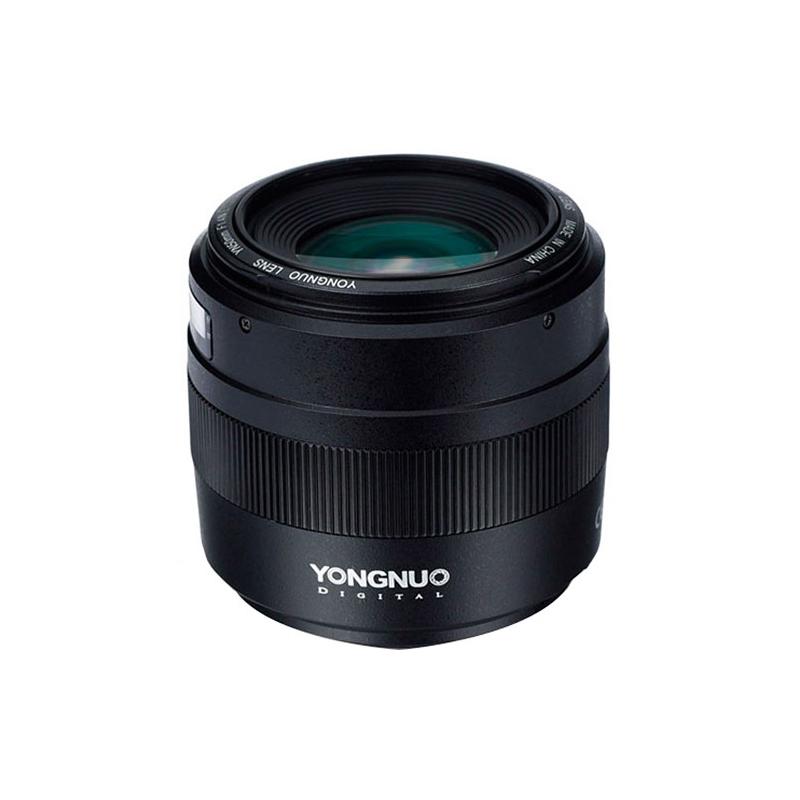
If you own a standard digital camera and want to explore infrared photography, you might consider modifying it to remove its infrared-blocking filter. However, this process requires care and precision. Here are the main steps:
1. Disassemble the Camera
Open the camera to access the sensor. This is a delicate process that demands tools such as screwdrivers and anti-static gloves. If you’re unsure about disassembling your camera, professional services can help convert it for infrared use.
2. Remove or Replace the IR Filter
Carefully detach the IR-blocking filter located above the sensor. Depending on your goals, replacing it with an infrared-pass filter can further optimize the camera for infrared photography.
3. Reassemble the Camera
After the filter modification, reassemble the camera meticulously, ensuring all parts fit properly. Test the camera to ensure functionality before committing to infrared photography.
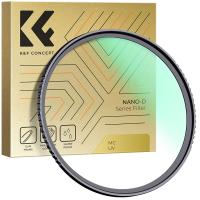
Alternatively, you can use infrared lens filters designed to block visible light while allowing infrared wavelengths to pass through. These filters attach directly to a camera lens and can be a simpler method for experimenting with infrared photography without permanent modifications.
Tips for Successful Infrared Photography
Achieving great results in infrared photography involves specific techniques to optimize capture and processing. Consider the following tips to start experimenting with infrared light:
Choose Appropriate Lighting Conditions
Infrared photography thrives in bright sunlight because vegetation reflects infrared light effectively under these conditions. Overcast skies often reduce the infrared light available, leading to less dramatic images.
Experiment with Composition
Infrared photography creates surreal effects that might not follow traditional composition rules. Contrast and textures become prominent, allowing you to experiment with unique angles and patterns.
Shoot in RAW Format
Infrared photos often require post-processing to fine-tune colors or convert images to black-and-white. Shooting in RAW format retains maximum information, giving you more flexibility during editing.
Invest in Post-Processing Software
Post-processing tools like Adobe Lightroom or Photoshop are essential for adjusting contrast, saturation, and sharpness in infrared images.
Choosing a Camera for Infrared Detection
If you're interested in infrared photography but hesitant about modifying a camera, several brands manufacture cameras specifically designed for infrared detection. Some models cater to scientific and industrial users, offering advanced features like thermal imaging capabilities to detect heat signatures.
For hobbyists, certain infrared-compatible cameras balance affordability and functionality. These cameras come pre-modified or include settings for infrared sensitivity. Researching user reviews and specifications will help select the best option based on your needs.
Limitations of Infrared Photography
Despite its exciting applications, infrared photography has some limitations worth noting:
1. Focus Issues
Infrared light focuses differently compared to visible light. Consequently, lenses optimized for visible light often result in blurry infrared images unless manually adjusted.
2. Color Calibration
Because infrared photography bypasses standard color interpretation, achieving accurate or consistent color is a challenge. Many photographers work in black-and-white to simplify this issue.
3. Modification Risks
Camera modifications to support infrared detection are irreversible in many cases. Improper alteration can damage internal components.
Digital cameras possess an impressive ability to detect infrared light, thanks to the inherent design of their sensors. This capability is often hidden by filters in consumer-grade devices to maintain image accuracy for visible wavelengths. However, converting cameras for infrared detection unlocks a fascinating realm of photography with applications ranging from artistic exploration to scientific research.
Whether you're an aspiring photographer interested in experimenting with new aesthetics or a researcher seeking specialized insights into heat or vegetation data, infrared photography offers unique advantages that extend beyond the visible spectrum. By understanding the technical principles, investing in proper tools, and following practical tips, anyone can unlock the full potential of infrared detection in digital imaging.