Can You See Infrared Flash Trail Camera?
Can You See the Infrared Flash of a Trail Camera?
Trail cameras, often used for scouting wildlife, home security, or research purposes, have become increasingly popular due to their ability to operate discreetly under various conditions. One of the standout features of many modern trail cameras is their infrared (IR) flash, which enables them to capture images or video in low-light or nighttime environments without producing the bright, glaring light of traditional flashes. A common question among camera users and wildlife enthusiasts is whether the infrared flash of a trail camera is detectable to the human eye—or to animals.
In this article, we’ll explore the science behind infrared flash technology, whether it’s visible to humans and animals, and how it affects the performance and stealth of trail cameras. By the end of this discussion, you’ll have a clear understanding of what an infrared flash is, how it works, and whether it’s the right choice for your needs.
Understanding Infrared Light and Trail Cameras
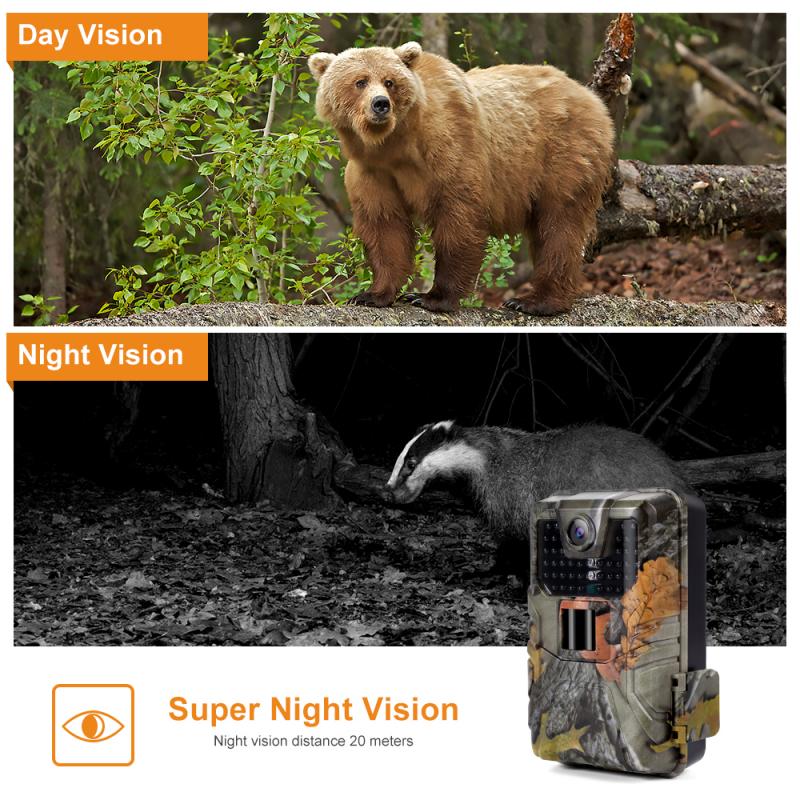
Before diving into whether the infrared flash is visible, let's first understand how trail cameras use this technology. Infrared light sits just outside the visible spectrum of light, meaning it cannot typically be seen by the naked human eye. It is divided into three subcategories: near-infrared, mid-infrared, and far-infrared. Trail cameras use near-infrared (NIR) light to illuminate objects in the dark and capture images.
When a trail camera detects motion via its passive infrared (PIR) sensor, the infrared flash emits a burst of IR light to brighten the scene. Because this light falls outside of human visibility, it generally appears stealthy. However, the exact level of "invisibility" depends on the type of infrared flash used, which brings us to the next point.
Types of Infrared Flashes
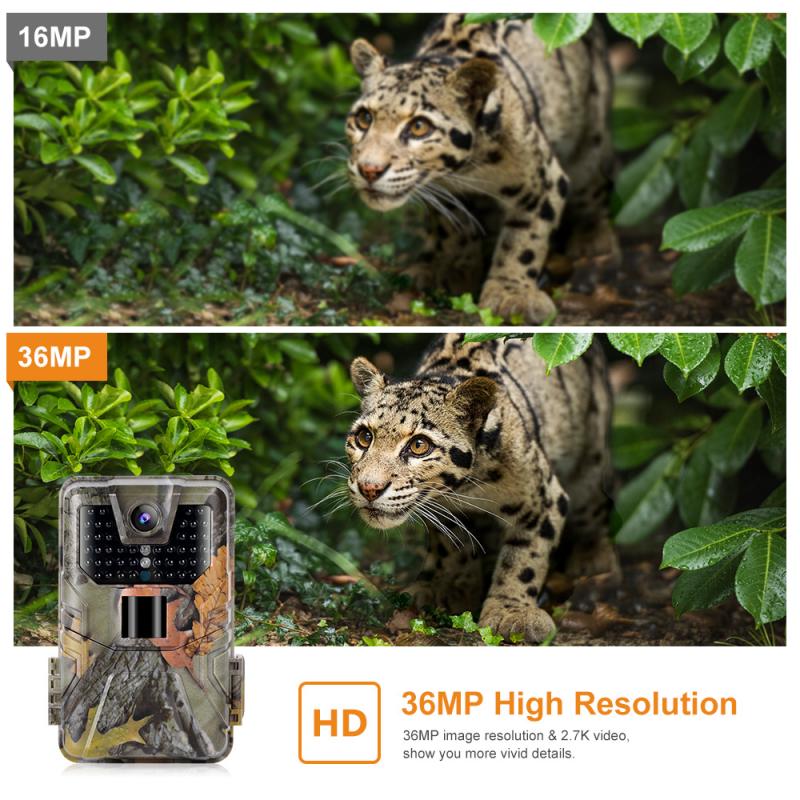
Trail cameras generally use one of three types of infrared flash technology:
1. Low Glow (Red Glow/IR Glow)
- These cameras emit infrared light at a wavelength of around 850nm (nanometers).
- At this wavelength, a faint red glow is visible to the human eye when the camera flashes.
- While this glow is minimal and far less startling than a traditional white flash, it can still be noticed in complete darkness. For wildlife, especially nocturnal species, this faint glow may attract their attention or spook certain animals.
2. No Glow (Black Flash)
- These cameras use infrared light typically at a wavelength of 940nm, which is completely invisible to humans.
- No Glow trail cameras are the most discreet and are ideal for security purposes or observing animals that are highly sensitive to disturbances.
- However, since the wavelength is higher and the IR light is less intense, the image quality at night might be slightly lower compared to Low Glow cameras.
3. White Flash (Standard Flash)
- Although not technically infrared, some trail cameras use a bright white flash that’s visible to both humans and animals.
- These cameras capture vibrant, full-color night images, but the bright flash can startle wildlife, making them unsuitable for stealth-based applications.
Can Humans See Infrared Flash?
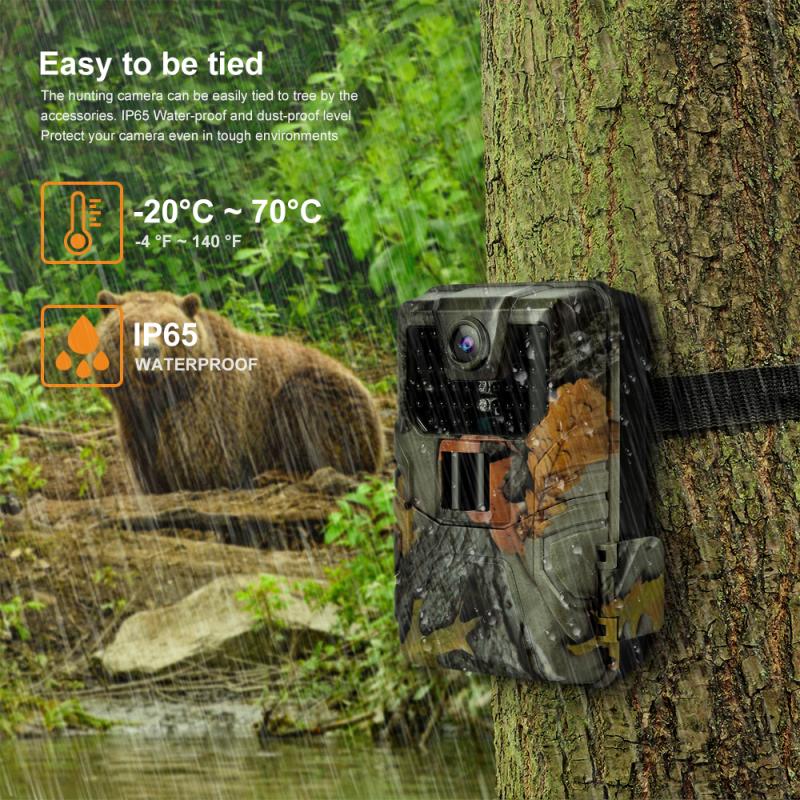
The ability to see infrared flash depends on the type of infrared light used. Here’s a breakdown:
Low Glow Cameras: Yes, humans can see a faint red glow when Low Glow infrared trail cameras flash. This red hue, while subtle and not bright like a white flash, is visible, especially in pitch-dark conditions. For home security purposes, this might not be ideal if you don't want the camera's presence to be detected.
No Glow Cameras: No, humans cannot see the infrared flash. At a wavelength of 940nm, the light remains completely invisible to human eyes. This makes No Glow cameras a top choice for covert operations or when discretion is paramount.
White Flash Cameras: As mentioned, white flashes are not infrared but can easily be seen by humans. Any bright camera flash is instantly noticeable and can give away the camera’s location.
Additionally, keep in mind that while most people cannot see infrared light, some individuals with highly sensitive eyes or certain visual conditions may be able to perceive it better than others. This is exceedingly rare, however.
Can Animals See Infrared Flash?

Animals perceive light differently than humans. While most mammals, including deer, pigs, and raccoons, cannot detect infrared light well, they can often see the faint red glow of Low Glow cameras. Certain animals may interpret this as a potential threat or be temporarily curious. In contrast, No Glow cameras are virtually invisible to animals, making them the superior choice for wildlife monitoring.
Birds, reptiles, and amphibians have more sensitive vision than mammals and might be able to detect certain wavelengths of infrared light, but this has minimal practical implications for most trail camera users.
Advantages and Disadvantages of Infrared Flash Trail Cameras
Advantages
1. Stealth: Both Low Glow and No Glow trail cameras enable users to capture nighttime activity without a bright flash that might deter wildlife or draw attention.
2. Versatility: As infrared light is invisible or minimally visible, these cameras are suitable for wildlife observation, hunting, and home security.
3. Reduced Startle Effect: The subtle technology allows for natural behavior in observed wildlife since animals are less likely to perceive the camera.
Disadvantages
1. Image Clarity: Infrared images, especially those captured by No Glow cameras, are usually black and white, and their clarity may not match the vivid detail of daytime or white-flash photos.
2. Detection by Some Animals: While Low Glow cameras are discreet, some highly sensitive animals may notice the faint red light and alter their behavior.
3. Cost: No Glow cameras, being the most advanced in terms of stealth, are generally more expensive than Low Glow cameras.
Choosing the Right Trail Camera Based on Your Needs
Selecting the right trail camera depends on your specific requirements. Here are some scenarios to consider:
1. Wildlife Observation:
- If your primary goal is to observe animals without disturbing their natural behavior, go for a No Glow camera for ultimate discretion.
2. Hunting:
- Hunters scouting game might prefer a Low Glow camera. While these models may emit a faint red glow, they often come at a more affordable price than No Glow options, and the disturbance to animals is usually minimal.
3. Home Security:
- For homeowners wishing to monitor their property without alerting intruders, No Glow cameras are the best choice since they avoid giving away the camera’s position.
4. General Use or Budget Constraints:
- If you’re on a tight budget and need a camera for casual use, Low Glow cameras provide an excellent middle ground between performance and affordability.
Tips for Minimizing Detection
If you’re concerned about the visibility of your trail camera, here are some tips to ensure that it remains undetected:
Position Carefully: Mount your trail cam in a location that is less likely to draw direct attention. High vantage points or spots obscured by foliage can help.
Camouflage: Many trail cameras come with camo exteriors, but adding natural materials (like branches or leaves) can improve concealment.
Use No Glow Technology: As discussed, No Glow trail cameras are the least detectable option for both humans and animals.
Final Thoughts
To answer the initial question—yes, humans can see the infrared flash of some trail cameras, but it depends on the type of infrared light used. Low Glow cameras produce a faint red glow that is visible, while No Glow cameras are invisible to the human eye. Animals are less likely to notice infrared flashes compared to standard flashes, although highly sensitive species might react to even subtle light emissions.
When choosing a trail camera, consider your needs—whether you’re monitoring wildlife, safeguarding your property, or simply exploring the outdoors. Each infrared flash type offers unique benefits, and understanding their visibility to humans and animals will help you make an informed decision that aligns with your purpose.