Can You Shoot Infrared With A Digital Camera?
Infrared photography is a fascinating and artistic form of imaging that allows photographers to capture light that lies outside the visible spectrum. While traditional photography deals with visible light, infrared photography captures wavelengths that human eyes cannot see, often revealing stunning and surreal compositions. If you’re wondering whether it’s possible to shoot infrared photography with a digital camera, the good news is that it can be done with some adjustments and considerations.
In this comprehensive guide, we will address everything you need to know about shooting infrared photography with a digital camera, including how it works, equipment requirements, techniques, and troubleshooting common challenges. Whether you’re an amateur exploring creative possibilities or an experienced photographer looking for unique ways to expand your portfolio, this article will provide practical insights to guide you through the process.
Understanding Infrared Photography

Infrared light falls within a wavelength of about 700nm to 1,000nm, just beyond visible red light. When captured, infrared photography creates otherworldly effects, such as dark, dramatic skies, glowing white foliage, and a distinct tonal quality in images. These effects are achieved because surfaces reflect and absorb infrared light differently compared to visible light.
Most digital cameras, however, are not inherently designed to capture infrared light because of an infrared-blocking filter (IR filter) that manufacturers place in front of the camera sensor. While this filter improves image quality in standard photography by blocking wavelengths outside the visible spectrum, it presents a hurdle for those interested in infrared photography.
Can You Shoot Infrared with a Digital Camera?

The ability to shoot infrared photography depends on your camera's model, the presence of an IR filter, and the kind of infrared photography you wish to pursue. There are three general approaches to shooting infrared photography with a digital camera:
1. Using an Infrared Filter on the Lens

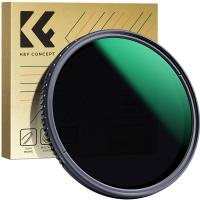
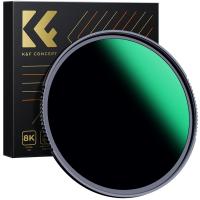
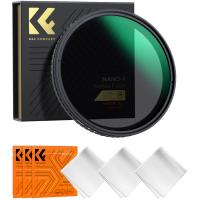
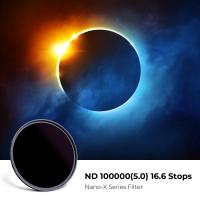
This method involves attaching an infrared filter (like Hoya R72 or similar) to the front of your camera’s lens. These filters block most visible light while allowing infrared light to pass through. It’s the simplest way to experiment with infrared photography without modifying your camera.
How It Works: The infrared filter limits the wavelengths of light reaching the sensor, allowing only infrared light to pass. You’ll often need to use a tripod and long exposure times, as the amount of light entering the camera is greatly reduced.
Advantages: This is a non-invasive and budget-friendly solution to get started with infrared photography. It works with many digital cameras without the need for permanent modifications.
Limitations: This method can be slow and may produce less sharp results due to the thick IR filter. Autofocus often struggles, and images may require significant post-processing to achieve desirable results.
2. Converting a Digital Camera for Full-Time Infrared Photography

A more advanced approach is to modify your digital camera by removing its built-in IR filter and replacing it with a filter that allows only infrared light. This modification, known as an "infrared conversion," is usually performed by professionals or specialized services. The converted camera becomes dedicated to infrared photography.
Advantages: A converted camera allows faster shutter speeds, improved sharpness, and autofocus functionality compared to using an external IR filter. It’s the best solution for photographers who wish to focus heavily on infrared photography.
Limitations: Infrared conversion is a permanent modification that typically voids your camera’s warranty. Additionally, it makes the camera unsuitable for standard photography unless you shoot with a full-spectrum conversion and use additional filters for visible light photography.
3. Using a Full-Spectrum Camera
A camera modified for full-spectrum photography captures both visible light and infrared light. Photographers can then use external filters to isolate different parts of the light spectrum as needed, including infrared.
Advantages: Flexibility in capturing multiple types of photography with a single camera. By simply changing filters, you can shift between visible, ultraviolet, and infrared photography.
Limitations: This approach also requires permanent modification, and having to rely on external filters can be cumbersome in the field.
Choosing the Right Equipment
To shoot infrared photography successfully, some essential equipment is required:
1. Camera: While most digital cameras can work with an external infrared filter, cameras with older or weaker IR-cut filters (e.g., older DSLRs or mirrorless cameras) tend to perform better in unmodified states.
2. Infrared Filter: Filters such as Hoya R72, B+W 093, or Kolari Vision IR filters are commonly used for experimenting with infrared photography.
3. Tripod: A sturdy tripod is critical when using infrared filters, especially since exposure times can be long.
4. Lens: A wide-angle or standard lens works well for infrared landscapes. Ensure the lens doesn’t exhibit "hot spot" issues, which appear as bright spots in images due to internal reflections of infrared light.
5. Editing Software: Post-processing software such as Adobe Photoshop or Lightroom is essential to enhance colors, contrast, and tones in your infrared photos.
Tips for Shooting Infrared Photography
1. Shoot in RAW Format: RAW files retain more data, especially in highlights and shadows, which is very helpful since infrared photography often requires significant post-processing.
2. Perform a Custom White Balance: Infrared light interacts with camera sensors differently than visible light, so custom white balance settings are crucial to producing more accurate colors and reducing the reddish casts in raw files.
3. Choose the Right Scene: Landscapes with lots of foliage, clouds, and water produce stunning infrared photographs due to their unique reflective properties.
4. Use Live View or Manual Focus: Auto-focus can be unreliable when using infrared filters, so switching to manual focus or using live view can yield better results.
5. Bracket Exposures: Since exposure can be tricky to get right in infrared photography, bracketing (taking multiple exposures with slight variations) ensures you capture the best possible image.
Post-Processing Your Infrared Photos
Once you’ve captured your infrared images, post-processing becomes a critical part of achieving the final look. Here are some tips for editing your photos:
1. Channel Swapping: One of the most common approaches in infrared photography post-processing is swapping the Red and Blue channels to achieve surreal colors, such as blue skies with white foliage.
2. Converting to Black-and-White: Many infrared photographers prefer to process their images into black-and-white, emphasizing textures, shadows, and contrast for a moody effect.
3. Adjusting Contrast and Clarity: Infrared images often need additional tweaking to boost their dynamic range.
4. Correcting Hot Spots: If your lens produces hot spots, you may need targeted corrections to even out brightness in post-processing.
Common Challenges and Solutions
While infrared photography is immensely rewarding, it does have its challenges. Here’s how to handle some common issues:
1. Long Exposure Noise: Use noise reduction software if your camera introduces noise during long exposures.
2. Bright Color Casts: Custom white balance can help control these. Alternatively, adjust levels in post-processing.
3. Hot Spots: Test lenses before committing to a shoot, or switch to a lens known for minimal infrared issues.
4. Limited Compatibility: If your camera's sensor is particularly sensitive to infrared or has a strong IR-blocking filter, use an external IR filter or consider camera conversion.
Why Consider Infrared Photography?
Infrared photography allows you to create images that stand out with surreal and dreamlike qualities. It’s an art form that not only lets you see the world differently but also pushes your creative and technical skills in novel ways. Whether you’re drawn to the glowing white foliage, dramatic contrasts, or the ability to explore hidden textures and reflections invisible to the naked eye, infrared photography is an exciting departure from conventional photography.
For beginners, experimenting with an external IR filter is an accessible entry point, while professionals may consider camera conversion for dedicated projects. With a bit of effort and patience, shooting infrared photography with a digital camera opens a new world of creative possibilities for any photographer.