How To Buy A Memory Card?
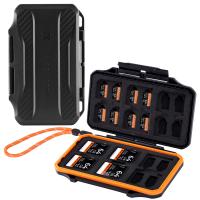
In today's digital age, memory cards have become indispensable tools for a wide range of devices, from smartphones and cameras to game consoles and tablet computers. Whether you're a professional photographer looking to expand your storage capacity, a gamer wanting more space for your gaming library, or just someone needing more memory for your smartphone, buying a memory card is a critical decision that can affect your experience and productivity. This article will guide you through the essential steps and considerations when purchasing a memory card to ensure you make an informed decision.
Understanding Your Device’s Requirements
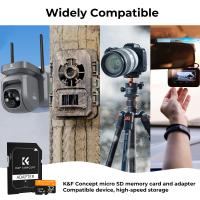
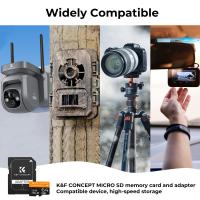
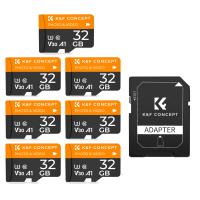
The first step in purchasing a memory card is understanding the specific requirements of your device. Not all devices support every type of memory card. Common types include SD (Secure Digital), microSD, and CompactFlash. For example, most smartphones and tablets accept microSD cards, whereas many cameras and camcorders use standard SD cards or CompactFlash. Check your device’s manual or the manufacturer's website for compatible memory card types.
The Capacity Factor

Memory cards come in various capacities, ranging from a few gigabytes (GB) to several terabytes (TB). The capacity you need largely depends on the intended use. If you’re a photographer shooting in RAW format, a card with a larger capacity is crucial as these files are significantly larger than JPEGs. Conversely, if you only need a bit more space for apps and pictures on your smartphone, a card with a smaller capacity may suffice.
Speed Ratings
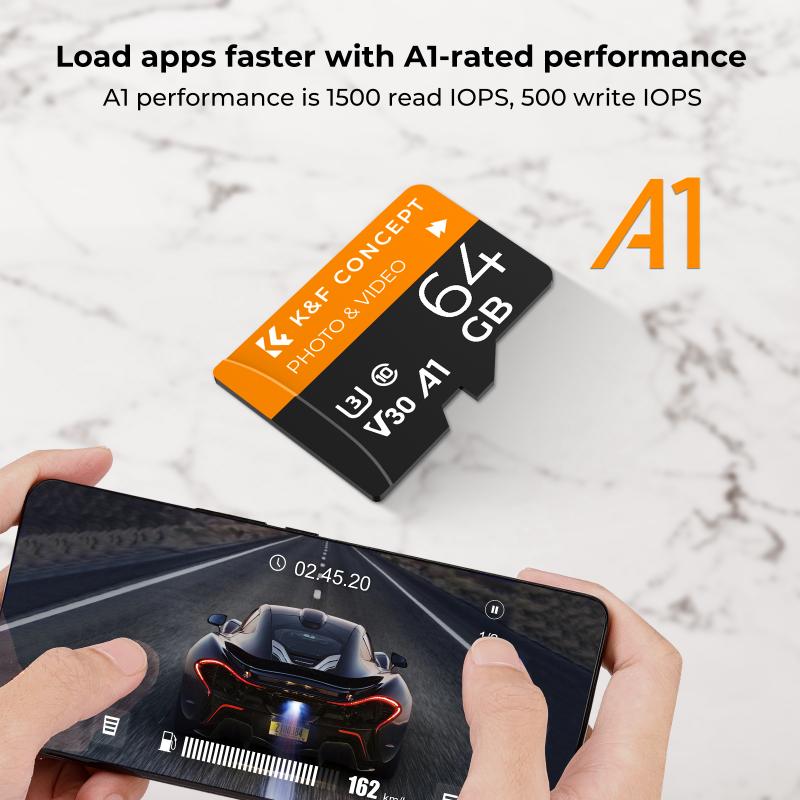
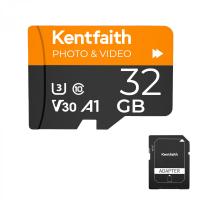
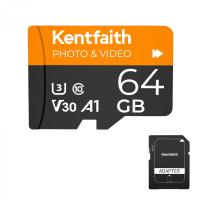
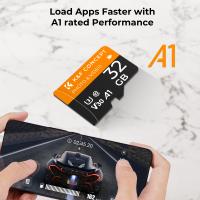
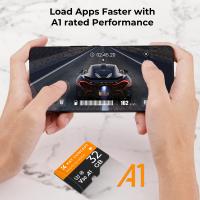
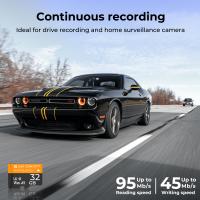
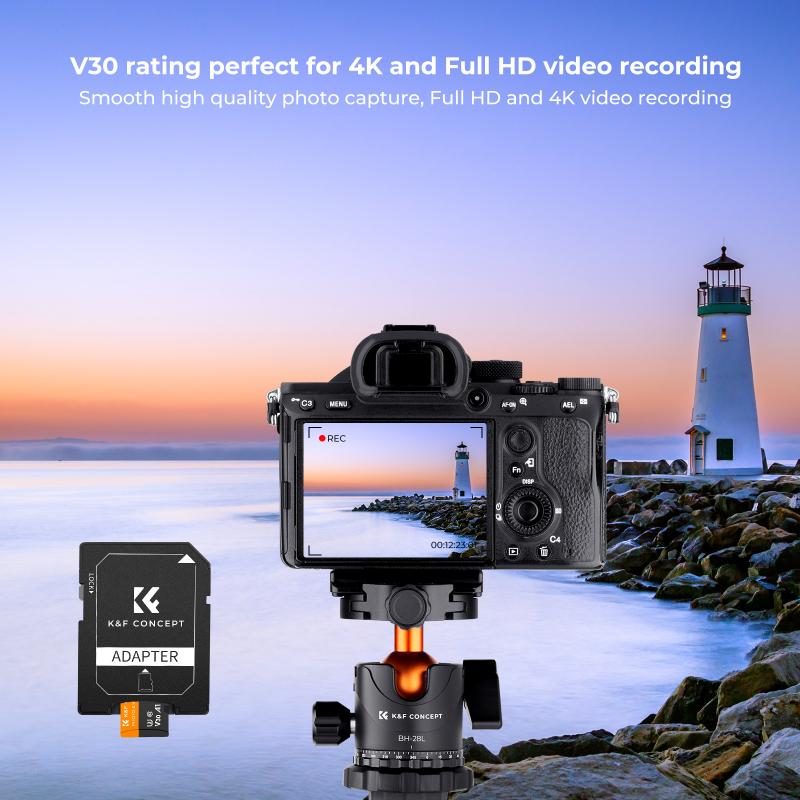
Another crucial factor to consider is the speed rating of the memory card, indicated by class or speed ratings (such as Class 10, UHS-I, UHS-II, etc.). A higher speed class means the card can write data faster, which is vital for high-resolution video capture or continuous burst shooting in photography. For instance, if you're recording 4K video, you'll require a card with a high write speed to keep up with the data flow.
Compatibility and Performance Standards
SD cards have evolved over the years, introducing various performance standards such as SD, SDHC, and SDXC. It’s important to choose a card that not only is compatible with your device but also meets your performance expectations. For older devices, the SDHC (Secure Digital High Capacity) format is generally sufficient, but newer devices might take advantage of the SDXC (Secure Digital eXtended Capacity) format.
Durability and Reliability
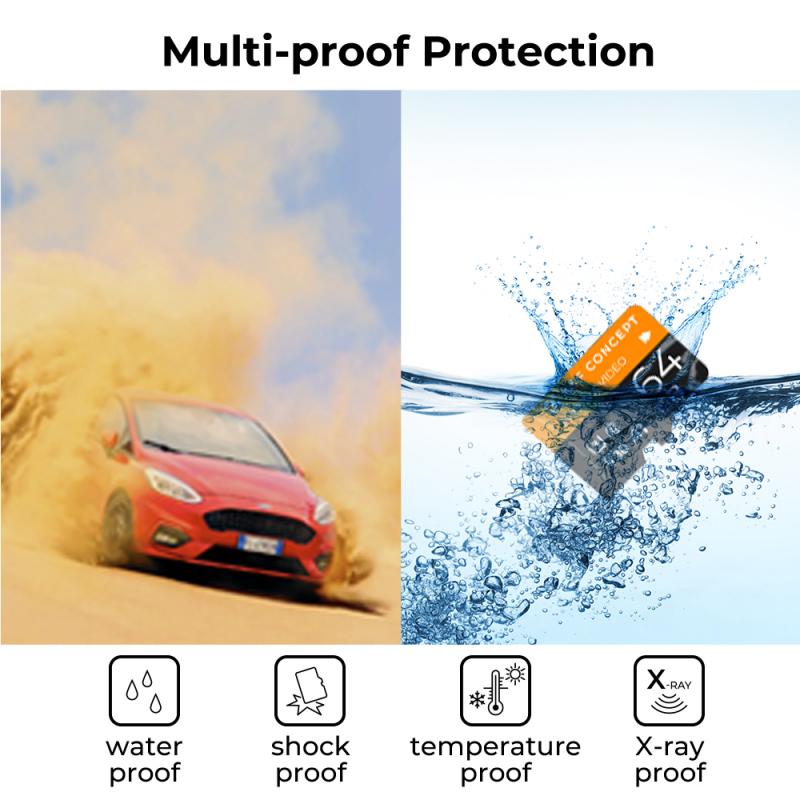
Durability and reliability should also play a significant role in your decision-making process. Choose memory cards from reputable brands known for quality and reliability, as these cards are more likely to have features such as resistance to water, temperature extremes, and physical shocks. This is particularly important for use in harsh environments, such as during outdoor photography sessions or travel videos.
Cost Considerations
While price is often a decisive factor, it should not be the only consideration. Cheaper cards might save you money initially, but they may not offer the reliability, speed, or capacity you need. Investing a little more upfront can save you from future headaches associated with data loss or card failure.
Future-Proofing Your Purchase
Another consideration is future-proofing your purchase. Technology is constantly evolving, and what suffices today may not suffice in the near future. If budget allows, consider purchasing a memory card with more storage and higher speed ratings than you currently need, especially if you anticipate upgrading your device soon.
Where to Buy
When deciding where to purchase a memory card, you'll find a variety of options, including online marketplaces like Amazon and eBay, electronics stores, or directly from manufacturers’ websites. Online platforms often offer a wider selection and better prices but be cautious of counterfeit cards, especially from non-reputable sellers. Purchasing from reliable sources ensures you receive genuine, high-quality products.
Reading Reviews and Research
Before finalizing your purchase, read reviews and conduct thorough research on the specific memory card models you're considering. User reviews provide insights into real-world performance and reliability. Also, tech forums and review sites often offer comparative analyses between different brands and models, helping you make a more informed decision.
Making the Purchase
Once you've completed your research and compared options, it’s time to make the purchase. Ensure you're getting the best deal by comparing prices across multiple platforms and taking note of any shipping costs or potential return policies.
Effective Use and Management
After purchase, proper usage and management of your memory card are essential. Avoid removing the card from your device while data is being transferred, as this can lead to data corruption. It's also good practice to regularly back up the card’s contents to another storage device or cloud service to prevent data loss.
Verdict and Final Recommendations
To recap, purchasing the right memory card involves understanding your device’s compatibility, the required capacity, speed ratings for your specific needs, durability for your environment, and ensuring you're buying from a reputable source. Balancing these factors with cost considerations will ensure you choose the best memory card for your needs, providing a seamless storage solution for all your data.
By following these guidelines, you’ll be better prepared to navigate the multitude of choices available, making smart and well-informed purchasing decisions. As technology continues to evolve, staying informed about new memory card technologies and trends will ensure you remain well-equipped to adapt to future device upgrades and increased data demands.