Can Camera Be Hidden In Carbon Monoxide Detector?
In recent years, surveillance and covert monitoring technologies have become increasingly innovative, finding their way into everyday objects. One such example that raises both curiosity and concern is the potential for cameras to be concealed within a carbon monoxide (CO) detector. This practice, while not widespread or well-known, is not entirely impossible due to advancements in miniaturized camera technology. In this article, we will delve into the mechanics of whether cameras can be hidden in carbon monoxide detectors, how to detect and prevent covert surveillance, and the ethical and legal implications of such practices.
Understanding the Feasibility: Can a Camera Be Hidden in a Carbon Monoxide Detector?
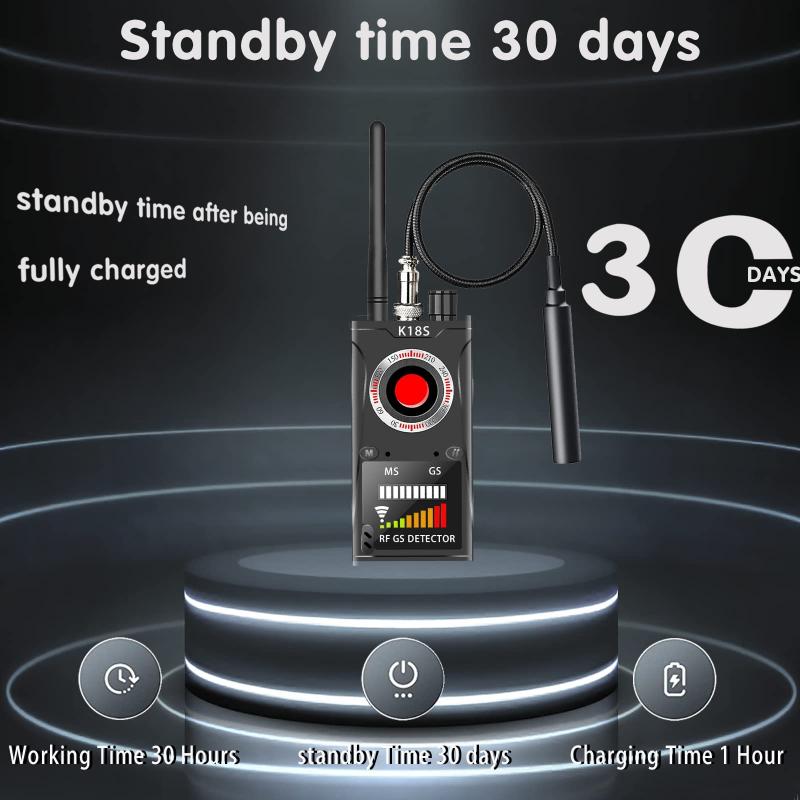
Carbon monoxide detectors are ubiquitous in homes and workplaces, designed with the primary function of detecting dangerous levels of CO gas. Their simple, unassuming design allows them to blend into any environment, making them an ideal candidate for concealing cameras. But is this truly possible?
The Technology Behind Hidden Cameras
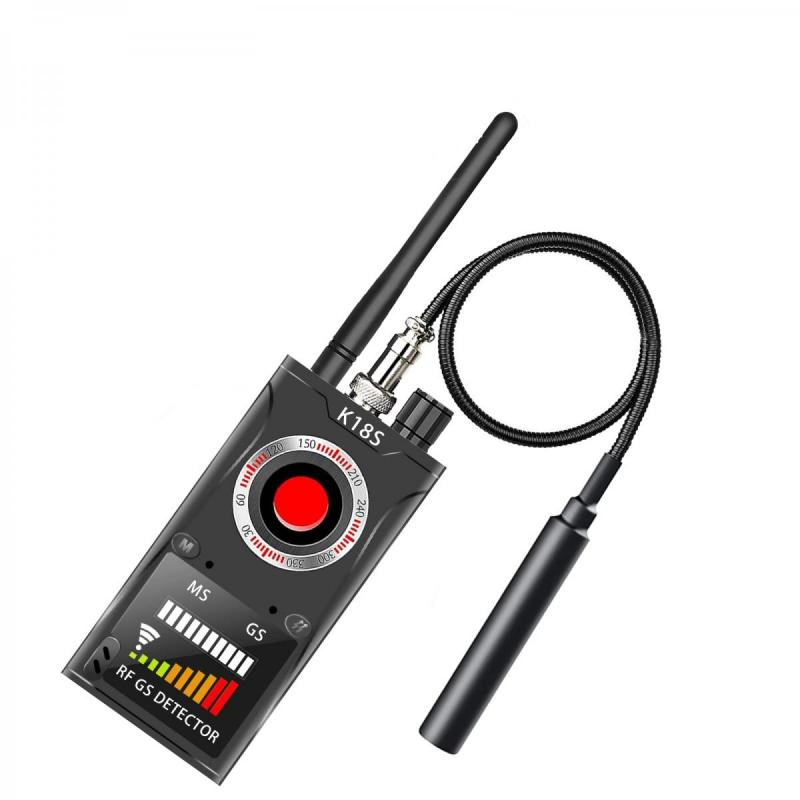
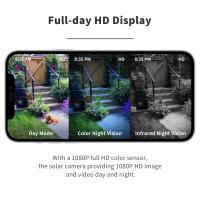
Advances in technology have brought about incredibly small and unobtrusive cameras. Modern spy cameras can be as small as the head of a pin while still offering high-definition video recording. These cameras often come equipped with wireless connectivity, allowing them to transmit footage in real-time to a remote viewing device.
Miniaturized cameras can easily fit into common home gadgets, such as smoke alarms, Wi-Fi routers, or even USB chargers. Therefore, hiding a camera in a carbon monoxide detector is technically feasible. The space inside a standard CO detector can house a small camera and its necessary components, such as a power source or battery, provided the device is modified.
Operational Constraints
The main consideration for a hidden camera in a CO detector lies in the design and internal configuration of the detector itself. CO detectors are built with specific components for detecting CO gas, and any modification to include a covert camera could compromise its primary functionality or increase the risk of malfunction.
Additionally, the location of the CO detector also raises practical concerns. These devices are usually mounted on ceilings or high on walls, as CO gas rises. A camera positioned this high up might provide an unattractive or limited-angle view for surveillance, such as a bird's-eye view of a room, which may not always be useful to the person attempting to monitor their surroundings covertly.
Identifying Potential Hidden Cameras in CO Detectors
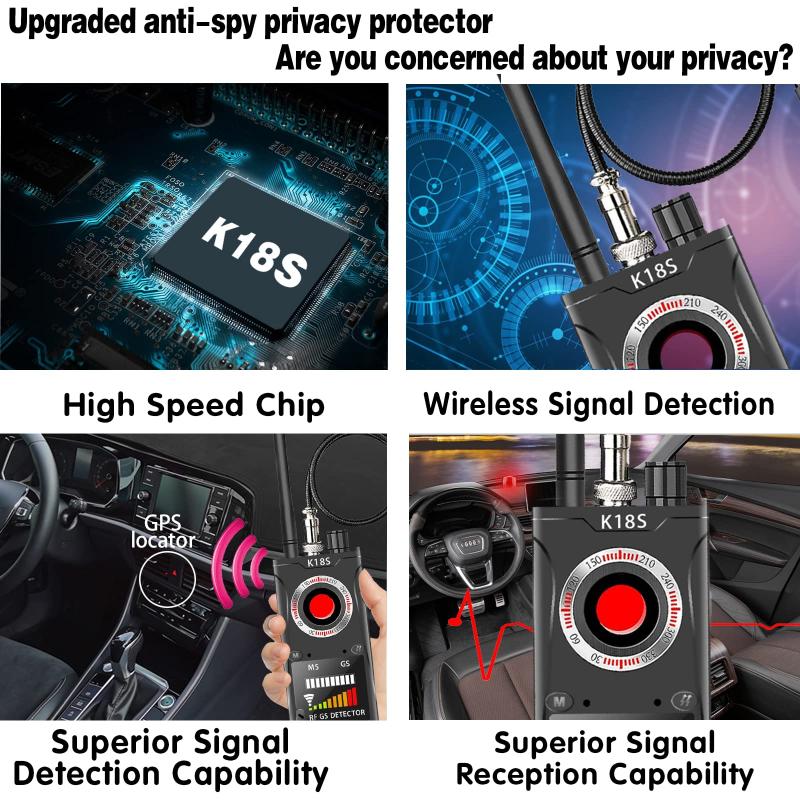
Whether you are concerned about privacy in your home, office, or rental space, knowing how to detect hidden cameras is essential. Here are some practical steps you can take to identify whether a CO detector might have been tampered with to include a hidden camera:
1. Visual Inspection
Examine the CO detector closely. Look for anything unusual, such as a pinhole or tiny opening that a camera lens could use. Traditional CO detectors should not have any obvious lenses or LED indicators apart from their original design. Any additional wiring or irregular openings might indicate tampering.
2. Check for Light Reflection
One easy way to detect camera lenses inside objects is to use a flashlight or the flashlight on your smartphone. Shine the light directly at the CO detector from various angles. A camera lens embedded inside the CO detector may reflect light differently, causing you to see a small glimmer or a suspicious shine.
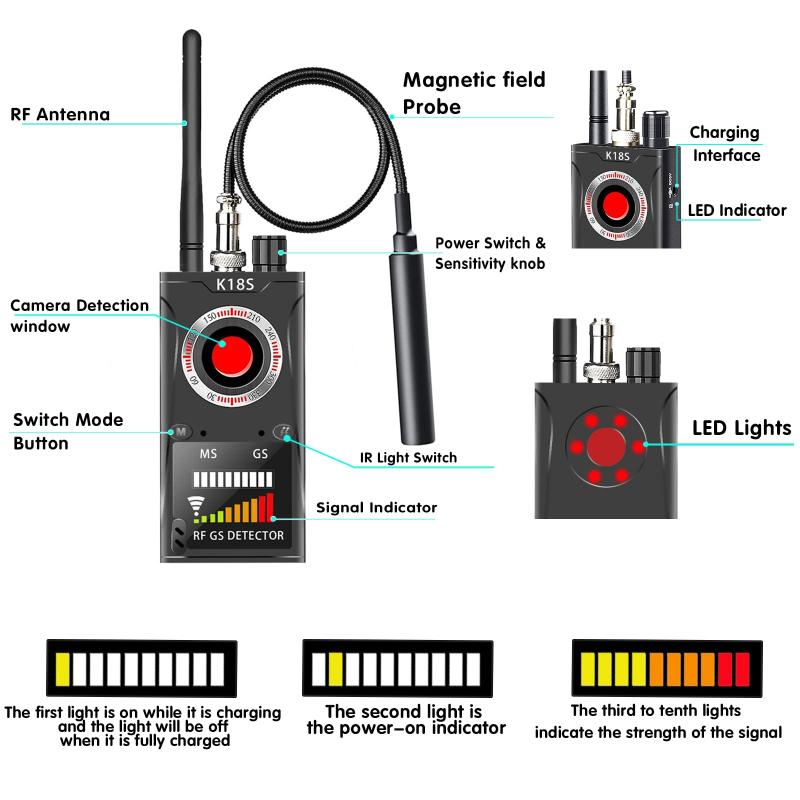
3. Use RF Detectors
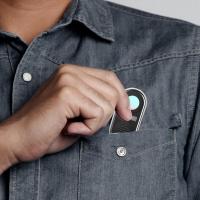
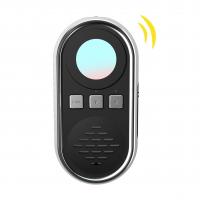
Many hidden cameras use wireless technology to transmit data. An RF (radio frequency) detector can help you identify devices that are actively transmitting signals, including hidden cameras. Bring the RF detector close to the CO detector to check for any unusual radio frequencies.
4. Examine Connectivity Networks
In today's interconnected age, many hidden cameras use Wi-Fi to stream footage. Use apps or network analytics tools to scan all connected devices on your Wi-Fi network. If you notice an unfamiliar IP address that doesn’t correspond to your known devices, it could be a hidden camera.
5. Hire a Professional
As hidden surveillance technology continues to grow more sophisticated, professionals equipped with specialized tools can conduct full sweeps of your space. This can provide peace of mind if you suspect covert surveillance is more than just a possibility.
Mitigating Against Hidden Camera Intrusion
If you're concerned about hidden cameras in not only CO detectors but in general, here are some strategic recommendations:
A. Install Trusted Equipment
Always purchase products from reputable manufacturers and retailers. Buying items from reputable brands reduces the risk of tampering during manufacturing or distribution. Avoid acquiring unknown or suspicious devices from questionable sources.
B. Securely Monitor New Devices
When purchasing electronics online or in-store, especially for rentals or shared spaces, thoroughly assess the devices upon arrival. If you move into a new place with pre-installed CO or smoke alarms, inspect them to rule out tampering.
C. Regular Audits
Perform routine audits of your living or working space, particularly transitional spaces such as rental properties, Airbnb listings, hotels, or newly leased offices. These spaces come pre-outfitted with equipment that can potentially be modified without your knowledge.
D. Educate Yourself
The more you understand about how hidden cameras operate and how they can be concealed, the better prepared you will be to spot them. Resources on covert surveillance are readily available for those willing to learn.
Ethical and Legal Implications of Hidden Cameras
The idea of placing hidden cameras in a CO detector or any other household appliance raises significant ethical and legal considerations. While surveillance in private spaces without consent is often unethical and illegal, covert surveillance technology is often marketed without adequate oversight.
Legal Viewpoint
The legality of hidden cameras varies by jurisdiction, but in most places, recording individuals without their permission in private spaces (such as a home or hotel room) is illegal. If you discover a hidden camera in your carbon monoxide detector, you should consult local authorities or legal professionals immediately.
Ethical Viewpoint
Whether for personal, professional, or even criminal reasons, embedding a camera in an unsuspected device violates trust and privacy. Legal and ethical frameworks emphasize the importance of informed consent when monitoring or recording individuals. Surveillance practices that aim to operate without transparency undermine these ethical balances.
Conclusion: Staying Alert to Privacy Concerns
While the prospect of a camera hidden in a carbon monoxide detector might sound like the plot of a spy movie, it is a feasible reality given the evolution of miniaturized surveillance technology. This underscores the pressing need for people to be vigilant about hidden recording devices, whether in CO detectors or other covert places.
Detecting hidden cameras relies on a mix of education, awareness of your surroundings, and the use of simple tools such as flashlights, RF detectors, or network scanning applications. It’s also essential to purchase safety devices, such as carbon monoxide detectors, from trusted manufacturers.
Ultimately, as technology advances, so do the potential breaches against privacy. Staying informed is not just prudent—it’s necessary to safeguard your personal space from intrusive surveillance. Whether you’re a homeowner, tenant, or professional, understanding the possibilities behind covert cameras in everyday items empowers you to act proactively to protect your rights and privacy.