How To Check Solar Panels Are Working?
Ensuring that your solar panels are functioning correctly is crucial for maximizing their efficiency and the return on your investment. Solar panels are a significant investment, and their performance directly impacts your energy savings and environmental footprint. This article will guide you through various methods to check if your solar panels are working properly, helping you maintain their efficiency and longevity.
Understanding Solar Panel Basics
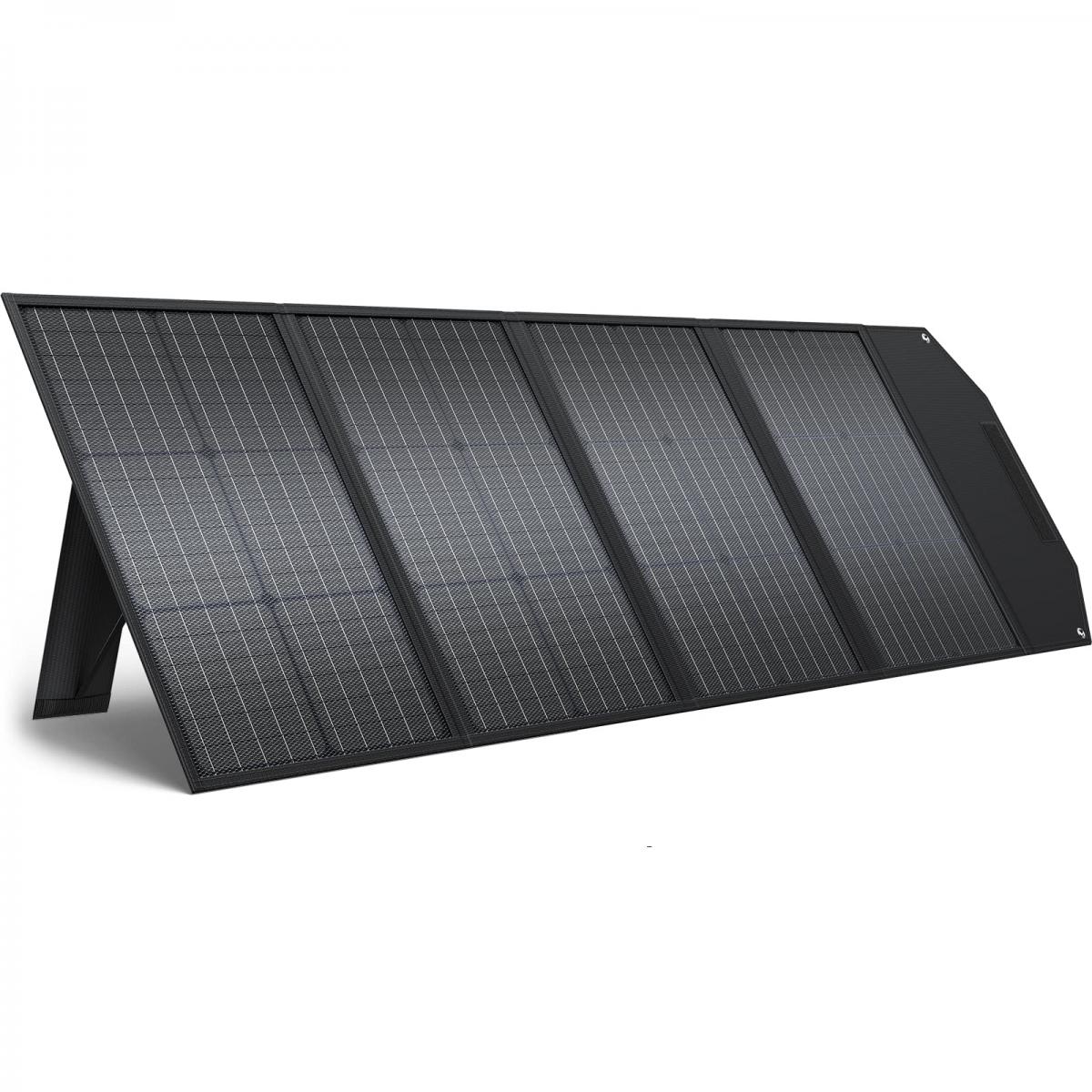
Before diving into the methods of checking your solar panels, it's essential to understand the basics of how they work. Solar panels convert sunlight into electricity through photovoltaic (PV) cells. This electricity is then either used immediately, stored in batteries, or fed back into the grid. The efficiency of this process can be influenced by several factors, including the quality of the panels, their orientation, and the amount of sunlight they receive.
Visual Inspection
One of the simplest ways to check if your solar panels are working is through a visual inspection. Here’s what to look for:
1. Physical Damage: Check for any visible cracks, chips, or other damage to the panels. Physical damage can significantly reduce the efficiency of your solar panels.
2. Cleanliness: Ensure that the panels are clean and free from debris, dirt, or bird droppings. Dirty panels can block sunlight and reduce efficiency.
3. Wiring and Connections: Inspect the wiring and connections for any signs of wear, corrosion, or disconnection. Faulty wiring can disrupt the flow of electricity.
Monitoring System Output
Most modern solar panel systems come with a monitoring system that tracks the performance of your panels. This system can provide real-time data on the amount of electricity being generated. Here’s how to use it:
1. Check the Inverter: The inverter is a crucial component that converts the DC electricity generated by the panels into AC electricity for use in your home. Most inverters have a display that shows the current output. If the display shows an error code or if the output is significantly lower than expected, there may be an issue.
2. Use Monitoring Software: Many solar panel systems come with software or apps that allow you to monitor performance from your smartphone or computer. These tools can provide detailed insights into the daily, weekly, and monthly performance of your system.
Comparing Expected and Actual Output
To determine if your solar panels are working efficiently, compare the actual output with the expected output. The expected output can be calculated based on the size of your system, the average sunlight hours in your location, and the efficiency of your panels. Here’s how to do it:
1. Calculate Expected Output: Use the formula: Expected Output (kWh) = System Size (kW) x Sunlight Hours x Efficiency. For example, a 5 kW system in an area with 5 sunlight hours per day and 80% efficiency should produce around 20 kWh per day.
2. Compare with Actual Output: Use the data from your monitoring system to compare the actual output with the expected output. If there is a significant discrepancy, it may indicate an issue with your panels.
Checking Performance Over Time
Solar panels can degrade over time, leading to a gradual decrease in efficiency. To ensure your panels are still performing well, track their performance over an extended period. Here’s how:
1. Record Monthly Output: Keep a record of the monthly output of your solar panels. This data can help you identify any long-term trends or sudden drops in performance.
2. Compare Yearly Performance: Compare the performance of your panels year over year. A small decrease in efficiency is normal, but a significant drop may indicate a problem.
Professional Inspection and Maintenance
While regular self-checks are essential, it’s also a good idea to have your solar panels professionally inspected and maintained. Here’s what a professional can do:
1. Detailed Inspection: A professional can perform a more detailed inspection of your panels, including checking for micro-cracks, hot spots, and other issues that may not be visible to the naked eye.
2. Performance Testing: Professionals can use specialized equipment to test the performance of your panels and identify any issues that may be affecting efficiency.
3. Cleaning and Maintenance: Regular cleaning and maintenance by a professional can help ensure that your panels are operating at peak efficiency.
Common Issues and Troubleshooting
If you find that your solar panels are not performing as expected, there are several common issues that could be the cause. Here’s how to troubleshoot them:
1. Shading: Ensure that there are no new obstructions, such as trees or buildings, casting shadows on your panels. Even partial shading can significantly reduce efficiency.
2. Inverter Issues: Check the inverter for any error codes or issues. If the inverter is not working correctly, it can affect the entire system.
3. Panel Degradation: Over time, solar panels can degrade and lose efficiency. If your panels are older, this may be a factor.
4. Weather Conditions: Extreme weather conditions, such as heavy snow or hail, can damage panels or reduce their efficiency. Ensure that your panels are designed to withstand the weather conditions in your area.
Regularly checking the performance of your solar panels is essential for ensuring that they are working efficiently and providing the maximum return on your investment. By conducting visual inspections, monitoring system output, comparing expected and actual performance, and seeking professional maintenance, you can keep your solar panels in top condition. Addressing any issues promptly can help you maintain the efficiency and longevity of your solar panel system, ensuring that you continue to benefit from clean, renewable energy for years to come.