How Much To Get Solar Panels?
The decision to install solar panels is a significant one, and understanding the costs involved is crucial for making an informed choice. This article will delve into the various factors that influence the cost of solar panels, providing a comprehensive guide to help you determine how much you might expect to spend on this eco-friendly investment.
Understanding the Basics of Solar Panel Costs
The cost of solar panels can vary widely based on several factors, including the size of the system, the type of panels used, installation costs, and any additional equipment required. Here are the primary components that contribute to the overall cost:
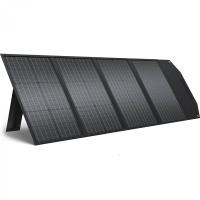
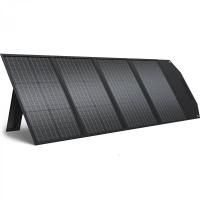
1. Solar Panels: The panels themselves are the most visible part of the system and can vary in price depending on their efficiency and brand. Higher efficiency panels typically cost more but can generate more electricity in a given space.
2. Inverters: These devices convert the direct current (DC) electricity generated by the panels into alternating current (AC) electricity that can be used in your home. There are different types of inverters, including string inverters, microinverters, and power optimizers, each with its own cost implications.
3. Mounting and Racking: This includes the hardware needed to attach the panels to your roof or ground-mounted system. The cost can vary based on the complexity of the installation and the type of roof you have.
4. Installation: Labor costs for installing the system can vary based on your location and the complexity of the installation. Professional installation is recommended to ensure the system is safe and efficient.
5. Permits and Inspections: Local regulations may require permits and inspections, which can add to the overall cost. These fees vary by location.
6. Additional Equipment: Depending on your system, you may need additional equipment such as batteries for energy storage, monitoring systems, or additional wiring and electrical components.
Average Cost of Solar Panels
As of 2023, the average cost of solar panels in the United States is approximately $2.50 to $3.50 per watt. For a typical residential solar panel system of around 6 kilowatts (kW), this translates to a total cost of $15,000 to $21,000 before any incentives or rebates.
Incentives and Rebates
One of the most significant factors that can reduce the cost of solar panels is the availability of incentives and rebates. These can come from federal, state, or local governments, as well as utility companies. Here are some common incentives:
1. Federal Tax Credit: The federal government offers a tax credit for solar panel installations, which can cover a significant portion of the cost. As of 2023, the federal tax credit is 26% of the total system cost.
2. State Incentives: Many states offer additional incentives, such as tax credits, rebates, or performance-based incentives. These can vary widely by state.
3. Local Incentives: Some local governments and utility companies offer rebates or other incentives to encourage solar adoption. These can include cash rebates, property tax exemptions, or net metering programs that allow you to sell excess electricity back to the grid.
Financing Options
If the upfront cost of solar panels is a concern, there are several financing options available to help make the investment more manageable:
1. Solar Loans: Many financial institutions offer loans specifically for solar panel installations. These loans can spread the cost over several years, making it easier to afford the system.
2. Leases and Power Purchase Agreements (PPAs): With a solar lease or PPA, a third party owns the solar system, and you pay a monthly fee to use the electricity it generates. This can reduce or eliminate the upfront cost, but you may not receive the same financial benefits as owning the system outright.
3. Home Equity Loans: If you have equity in your home, you may be able to use a home equity loan or line of credit to finance the solar panel installation. These loans often have lower interest rates than other types of financing.
Factors Affecting the Cost of Solar Panels
Several factors can influence the overall cost of your solar panel system. Understanding these factors can help you make a more informed decision:
1. System Size: Larger systems generate more electricity but also cost more. Your energy needs and available roof space will determine the optimal system size.
2. Panel Efficiency: Higher efficiency panels can generate more electricity in a given space but typically cost more. Consider your energy needs and available space when choosing panels.
3. Roof Type and Condition: The type and condition of your roof can affect installation costs. For example, a steep or complex roof may require additional labor and materials.
4. Location: Solar panel costs can vary by region due to differences in labor costs, permitting fees, and available incentives. Additionally, the amount of sunlight your location receives can impact the system's efficiency and overall cost-effectiveness.
5. Energy Storage: If you choose to add battery storage to your system, this will increase the overall cost. However, it can provide additional benefits, such as backup power during outages and increased energy independence.
Calculating Your Return on Investment
While the upfront cost of solar panels can be significant, it's essential to consider the long-term financial benefits. Solar panels can reduce or eliminate your electricity bills, and the savings can add up over time. Here are some factors to consider when calculating your return on investment (ROI):
1. Electricity Savings: Calculate your current electricity costs and estimate how much you can save with solar panels. This will depend on your energy usage, the size of your system, and local electricity rates.
2. Incentives and Rebates: Factor in any available incentives and rebates, which can significantly reduce the upfront cost and improve your ROI.
3. System Lifespan: Solar panels typically have a lifespan of 25 to 30 years. Consider the long-term savings over the system's lifespan when calculating your ROI.
4. Maintenance Costs: While solar panels require minimal maintenance, it's essential to factor in any potential costs for cleaning, repairs, or inverter replacements over the system's lifespan.
5. Property Value: Installing solar panels can increase your property's value, which can be an additional financial benefit if you decide to sell your home.
The cost of solar panels can vary widely based on several factors, including system size, panel efficiency, installation costs, and available incentives. By understanding these factors and exploring financing options, you can make an informed decision about whether solar panels are a worthwhile investment for your home. With the potential for significant long-term savings and environmental benefits, solar panels can be a smart choice for many homeowners.