What Do Police Surveillance Cameras Look Like?
Police surveillance cameras have become an integral part of modern law enforcement and public safety efforts, providing a critical resource for monitoring and deterring criminal activity and for aiding investigations. While many people are aware of their presence, questions often arise about what police surveillance cameras look like, how they function, and their role within the community. In this post, we'll delve into the topic and address some practical considerations about their appearance, usage, and implications.
The General Appearance of Police Surveillance Cameras
Police surveillance cameras come in a variety of forms, with their appearance often influenced by their intended purpose, location, and technology. Let’s break down some of the most common types:
1. Fixed Dome Cameras
Fixed dome cameras are one of the most recognizable forms of surveillance equipment. They are enclosed in a semi-spherical cover, which makes them less obtrusive and helps protect the camera lens from environmental factors like rain, debris, or vandalism. Additionally, dome cameras usually have tinted or reflective covers, making it difficult for individuals to discern the camera's orientation or the lens's direction. This creates an added layer of unpredictability for anyone considering illicit activities.
2. Bullet Cameras
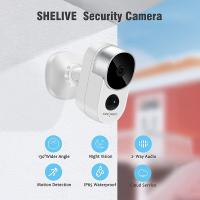
Bullet cameras have an elongated design and are often mounted on walls or poles, pointing in a fixed direction. These cameras are notable for their cylindrical shape, which resembles a small tube or bullet-shaped body. They are often equipped with weather-proof casings for outdoor usage. Bullet cameras are commonly used in areas where a narrow and distant field of view is sufficient, such as monitoring corridors or roads.
3. Pan-Tilt-Zoom (PTZ) Cameras
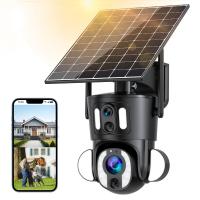
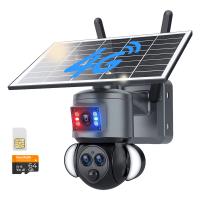
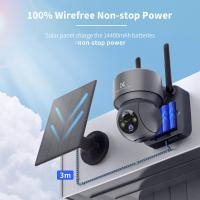
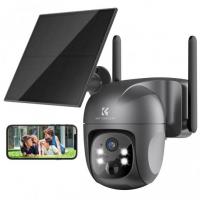
PTZ cameras are highly versatile surveillance devices that allow law enforcement personnel to adjust the camera's viewing angle remotely. This adjustability enables greater coverage and the ability to follow moving objects. PTZ cameras are usually a little bulkier and more noticeable, but their housing may resemble dome cameras with motorized features.
4. Hidden or Covert Cameras
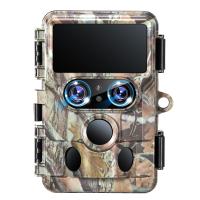
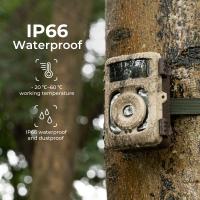
Sometimes, law enforcement uses hidden or disguised cameras, especially in covert operations. These cameras are designed to blend in seamlessly with their surroundings and can be concealed inside everyday objects such as streetlights, utility boxes, or even traffic signs. Their purpose is to avoid alerting individuals to their presence so that ongoing investigations can proceed undetected.
5. Body Cameras and Dashboard Cameras
While these often fall under the category of surveillance technology, it’s worth noting that police body cameras and dashboard cameras (or "dash cams") differ in function and form. Body cameras are small, rectangular devices worn on an officer’s uniform to capture audio and video interactions. Dash cams are generally small, boxy cameras mounted inside a patrol car to record scenes in front of or around the vehicle.
6. Integrated Smart Poles and Streetlights
Modern police surveillance systems increasingly use "smart poles" or "smart streetlights," which integrate cameras directly into street infrastructure. These systems are minimally intrusive in terms of appearance and may resemble regular streetlights or poles while housing sophisticated monitoring capabilities, including video surveillance, microphones, and even sensors for things like air quality.
Key Technologies Used in Police Surveillance Cameras

Surveillance cameras designed for police use often incorporate advanced technologies that extend their capabilities far beyond simple video recording. Here are a few key features:
Infrared and Night Vision: To effectively monitor areas during nighttime or in low-light environments, police surveillance cameras often come equipped with infrared or thermal imaging technologies, enabling clear footage even in complete darkness.
License Plate Recognition (LPR): Some cameras are specifically designed to capture and identify vehicle license plates for traffic management, Amber Alerts, or tracking suspected vehicles in criminal investigations.
Facial Recognition Software: Integrated facial recognition technology is becoming increasingly common in police surveillance tools, allowing officers to identify individuals in real-time or match footage to existing databases.
Wireless and 5G Connectivity: Many modern surveillance cameras are connected via wireless networks, allowing data to be transmitted in real-time to law enforcement monitoring stations for prompt actions.
360-degree Coverage: High-resolution, omnidirectional cameras facilitate capturing a full panoramic view of an area, minimizing blind spots.
Applications and Placement
The placement of police surveillance cameras defines their effectiveness. Typically, they can be spotted in areas where monitoring is deemed crucial, such as:
High-Traffic or High-Crime Areas: Cameras serve as a deterrent to crime and a tool to monitor high-crime zones.
Public Transport Hubs: Transit stations, bus stops, and airports often use surveillance cameras to monitor activity.
Events and Gatherings: Large public gatherings or parades warrant the temporary installation of cameras to enhance security during the event.
Critical Infrastructure: Cameras are also placed near government buildings, utilities, and bridges to monitor activity around potential terrorist targets.
Public Awareness and Identifying Surveillance Cameras

One common question people ask is whether police surveillance cameras are deliberately made to stand out or blend in. The answer is, "It depends." Cameras installed for deterrence purposes are typically visible, as their presence alone can discourage criminal behavior. Examples include cameras placed at housing complexes, shopping plazas, and intersections.
However, covert or hidden cameras, as mentioned earlier, are intentionally disguised to capture activities without intruding on natural behavior. If you're trying to identify surveillance cameras in your vicinity, pay special attention to infrastructure like poles, building corners, and elevated areas.
Pros and Cons of Police Surveillance Cameras
Understanding how police surveillance cameras are utilized makes it clear they play an important role in public safety. Nevertheless, their presence raises important questions.
Benefits:
Crime Deterrence and Prevention: The mere visibility of surveillance cameras reduces the likelihood of crime in monitored areas.
Investigation Records: Cameras provide reliable evidence to support investigations and prosecutions.
Emergency Response: In real-time, police surveillance cameras allow authorities to monitor unfolding situations and respond effectively.
Concerns:
Privacy: Widespread use of surveillance cameras raises concerns about invasion of privacy. Citizens may feel uneasy about being constantly monitored.
Misuse of Data: The potential misuse of the data captured by surveillance cameras, especially concerning facial recognition, raises ethical questions.
Costs: Police surveillance systems demand significant investment in technology, maintenance, and operations.
Practical Considerations for Citizens
If you want to learn more about police surveillance cameras or address concerns you may have, consider these practical steps:
1. Know Your Local Laws: Each region will have different regulations about surveillance camera usage, placement, and notification signage.
2. Check for Open Data Usage: Some jurisdictions allow transparency by releasing information about the location of public surveillance cameras or holding public meetings to discuss their implementation.
3. Engage in Dialogue: Participate in community discussions or local government forums to better understand how surveillance initiatives benefit public safety in your area.
4. Utilize FOIA Requests: Verify how data from police surveillance cameras is being stored and managed by filing Freedom of Information Act (FOIA) requests if you suspect improper use.
Final Thoughts
Police surveillance cameras are an essential tool in modern public safety efforts, balancing the goals of crime prevention, public security, and evidence collection with concerns about privacy and misuse of technology. Understanding their appearance, functionality, and applications can help demystify their presence in your community. While their potential comes with some valid concerns, active citizen involvement and legal safeguards are key to ensuring that their use remains beneficial and respectful of individual rights. Recognizing what police surveillance cameras look like is just the surface—delving further into their ethical, legal, and technological dimensions can yield valuable insights for communities striving to achieve safety and transparency.