What Kind Of Telescope Is Best For Beginners?
When choosing a telescope as a beginner, it is essential to consider factors such as ease of use, portability, optical performance, and budget. Telescopes are a fascinating way to explore the night sky and dive into the world of astronomy. However, with the variety of options available, selecting the right one can certainly feel overwhelming.
Considerations Before Purchasing
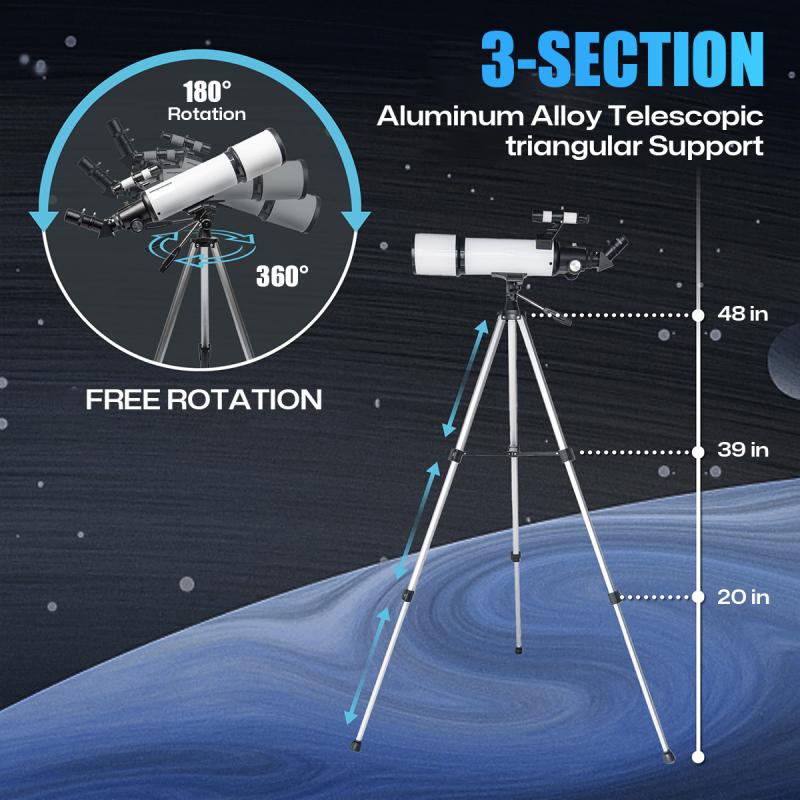
Getting started in astronomy doesn’t have to be complicated, but there are key factors to remember before choosing your first telescope. First, ease of setup is paramount. A beginner-friendly telescope should require minimal assembly and straightforward operation. Second, portability is crucial for those wanting to stargaze from different locations. Additionally, consider aperture size—the diameter of the telescope’s main optical component—as it directly affects image brightness and resolution. Reflectors, refractors, and compound telescopes each have their nuances, so understanding the pros and cons of each type will prepare you for making the right decision. Finally, budget plays a role, and balancing cost with performance is important to ensure satisfaction as you begin your stargazing journey.
Product Options and Basic Introductions
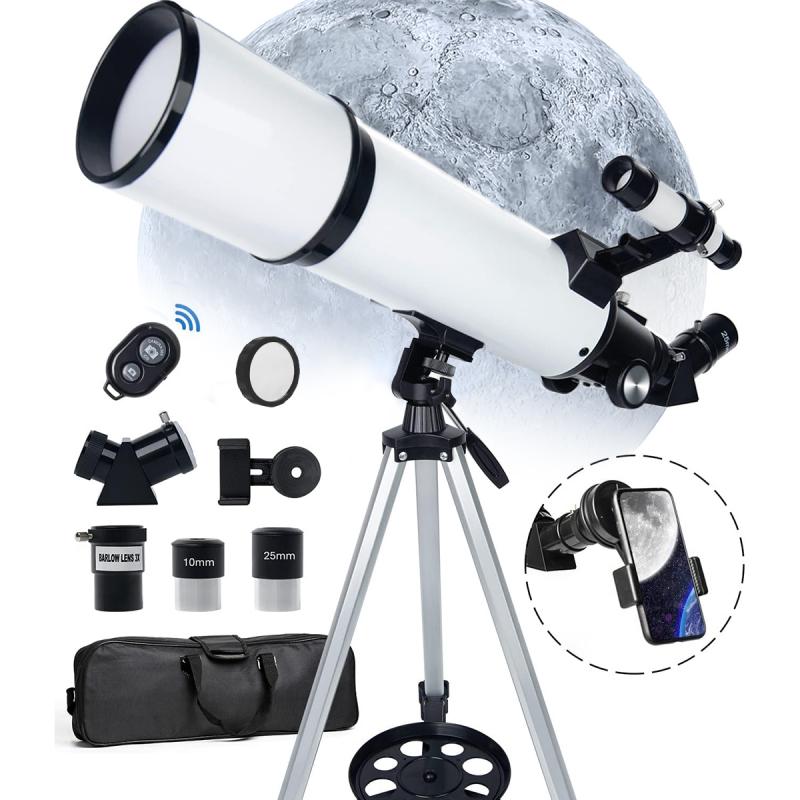
The market offers three primary types of telescopes for beginners: refractors, reflectors, and compound telescopes. Let’s take a brief look at some options worth exploring:
1. Celestron AstroMaster 70AZ
A refractor telescope known for its straightforward setup and easy maintenance, ideal for beginners who prefer hassle-free options. With a 70mm aperture, it is capable of providing crisp views of the moon, planets, and bright celestial objects.
2. Orion StarBlast 4.5 EQ Reflector Telescope
This tabletop reflector telescope boasts a compact design with a 4.5-inch aperture, delivering excellent cosmic views for its price point. It’s easy to transport and provides a bit more detail than refractors with smaller apertures.
3. Sky-Watcher Heritage 130P FlexTube
A Dobsonian reflector-style telescope offering outstanding light collection capabilities for beginners taking their first steps into deeper sky observation. The 130mm aperture makes it suitable for viewing nebulae and galaxies in addition to planetary observations.
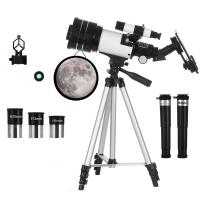
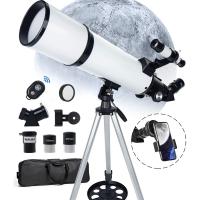
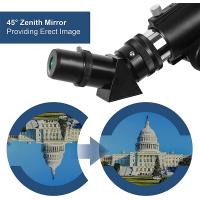
4. Kentfaith 80mm Refractor Telescope
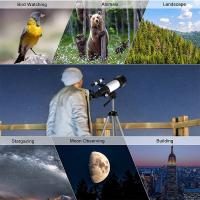
A beginner-friendly refractor telescope that combines portability and optical quality. With an 80mm aperture, it strikes a balance between light collection and compactness, offering great detail of planets and lunar surfaces without overwhelming complexity.
5. Meade Infinity 102mm AZ Refractor Telescope
A larger-aperture refractor with a 102mm diameter lens, slightly larger than some beginner models. This telescope is geared toward amateurs and hobbyists looking for brighter, sharper views of celestial objects.
Advantages and Disadvantages Analysis
Each telescope type comes with inherent advantages and drawbacks. For refractors, the primary benefit is durability and low maintenance; however, chromatic aberration can affect image quality. Reflectors, on the other hand, deliver improved light collection with larger apertures, although their mirrors may require occasional adjustment and cleaning. Dobsonian-style telescopes typically provide the largest apertures for entry-level users, but bulky designs can limit portability. Compound telescopes balance portability and quality but may exceed the budget for most novices.
For example, the Celestron AstroMaster 70AZ is an excellent beginner refractor offering ease of use but may underperform in capturing fainter objects compared to entry-level reflectors or Dobsonians. Similarly, while the Sky-Watcher Heritage 130P is a standout reflector in terms of aperture size, it may be less portable due to its Dobsonian mount. Kentfaith’s 80mm Refractor Telescope falls nicely into a sweet spot, providing a slightly larger aperture while remaining compact for travel, making it both versatile and approachable.
Horizontal Comparison of Products
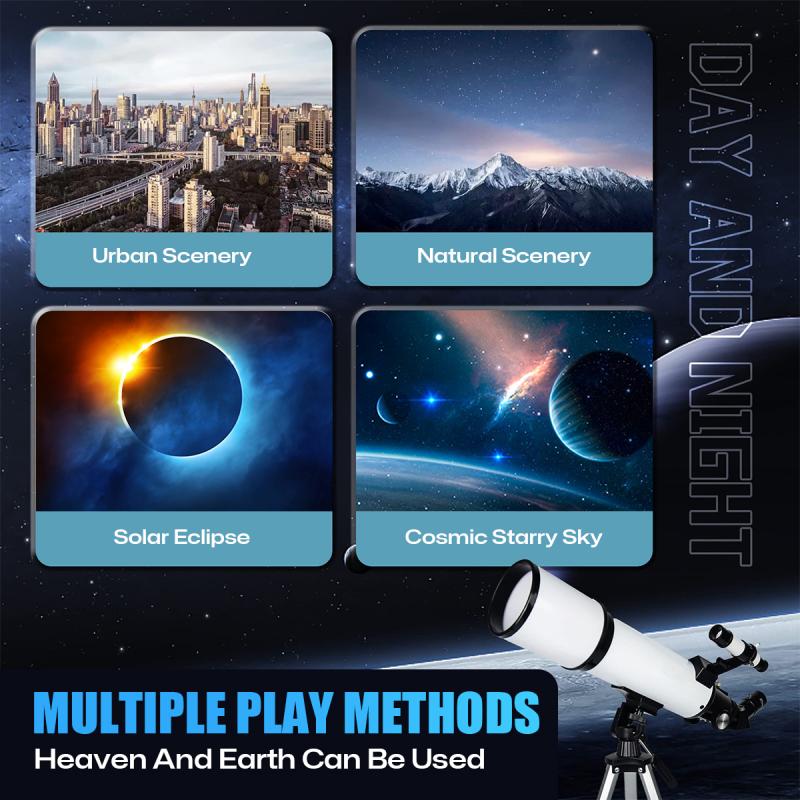
When comparing models side by side, the Orion StarBlast 4.5 EQ Reflector offers the best performance for users focused solely on stargazing at home, while the Celestron AstroMaster 70AZ is better suited for beginners emphasizing ease of operation. The Meade Infinity 102mm AZ Refractor Telescope provides excellent brightness but is bulkier than Kentfaith’s 80mm Refractor Telescope, which remains a more balanced option for users seeking versatility and portability. Overall, each telescope presents specific trade-offs in terms of aperture, portability, and optical performance.
Recommended Rankings
1. Sky-Watcher Heritage 130P FlexTube
Best for beginners interested in deep-sky observation thanks to its large aperture. Its Dobsonian design delivers excellent light collection capability for immersive experiences.
2. Orion StarBlast 4.5 EQ Reflector Telescope
Ideal for new hobbyists who want a reliable tabletop telescope with strong imaging performance relative to its price range.
3. Kentfaith 80mm Refractor Telescope
A stellar choice for beginners who want portability, straightforward assembly, and dependable optical quality without sacrificing detailed observations of planets and brighter celestial objects.
Purchase Recommendations
Beginners with plans to stick closer to urban observation sites and engage in planetary viewing will find refractors like the Celestron AstroMaster 70AZ or Kentfaith’s 80mm Refractor Telescope the most convenient and effective solutions. If budget allows and deep-space observation greatly piques your interest, Dobsonian-like reflectors such as the Sky-Watcher Heritage 130P provide a phenomenal platform to explore nebulae and galaxies. Always consider the intended use (e.g., urban versus dark skies) along with your level of expertise before deciding.
As a beginner, your first telescope should inspire curiosity while simplifying the process of stargazing. Affordable refractors, compact tabletop reflectors, and versatile models from brands like Kentfaith strike a balance between performance and accessibility. By prioritizing ease of use and matching key features to your future observing needs, you’ll set yourself up for success in experiencing the wonders of the universe. Start small, but dream big—because the stars are waiting for you!