Can Battery Cameras Be Used For Streaming?
With the rapid evolution of technology, battery-powered cameras are becoming increasingly popular for their portability and ease of use. They’re commonly used in security systems, outdoor photography, and event documentation. However, a growing number of users are beginning to wonder: can battery-powered cameras be used for streaming? Whether it's for Twitch gaming streams, YouTube live events, or remote conferencing, this question reflects the shifting priorities of tech enthusiasts and professionals alike.
The short answer is yes, battery-powered cameras can be used for streaming, but the feasibility depends on the camera's features, battery life, and connectivity options. To understand this in greater depth, let’s analyze the key requirements for live streaming, look at the limitations of battery cameras, and figure out how to maximize their potential.
The Technical Requirements for Live Streaming
Before delving into the details, it is essential to understand the technical requirements of streaming, as battery-powered cameras need to align with these capabilities:
1. Video Output: A camera suitable for streaming should provide high-resolution video output, typically at least 1080p, though 720p suffices for some cases. Resolution and frame rate (e.g., 30 fps or higher) are critical to maintaining a professional-looking stream.
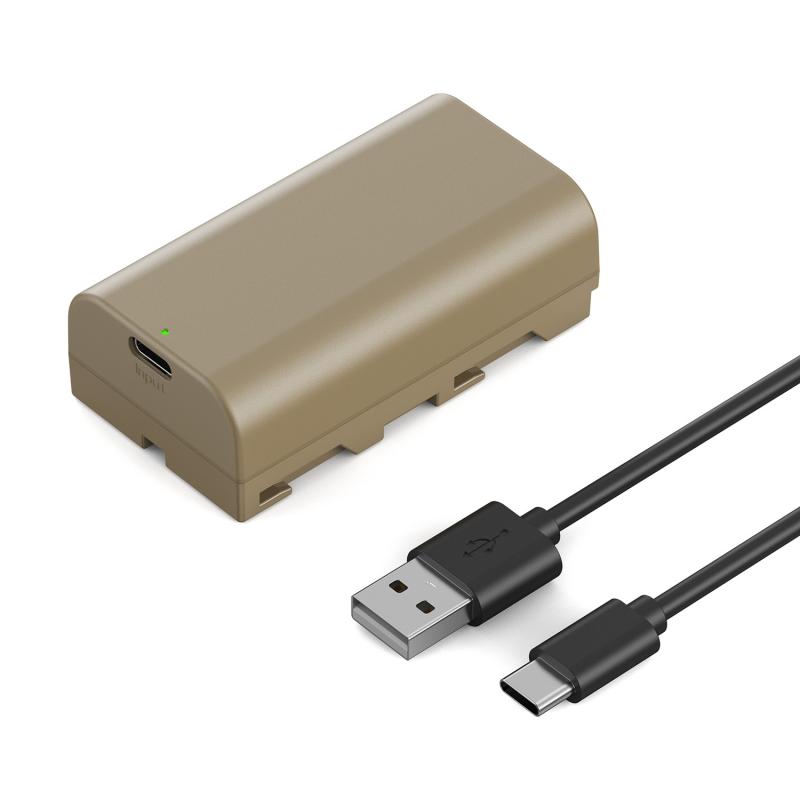
2. Continuous Power: Streaming requires the camera to operate continuously without interruption. This often means the device must have access to external power or a robust, long-lasting battery.
3. Connectivity Options: Cameras used for streaming need the ability to connect to external devices like computers or encoders. HDMI, USB, or Wi-Fi connectivity is often necessary.
4. Audio Integration: To accompany the video, you’ll need either a built-in microphone of decent quality or the ability to attach an external one.
5. Low Latency: The camera's transmission process should ensure real-time or near-real-time video delivery, depending on the purpose of your stream.
Challenges with Battery Cameras for Streaming
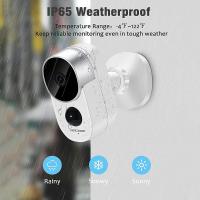
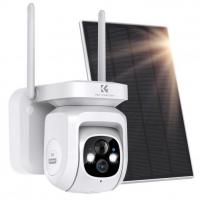
Battery-powered cameras are not traditionally designed for continuous streaming, as their main selling point is portability and independence from wired power. This makes them ideal for use cases like outdoor adventures or short security tasks but introduces several hurdles for live streaming:
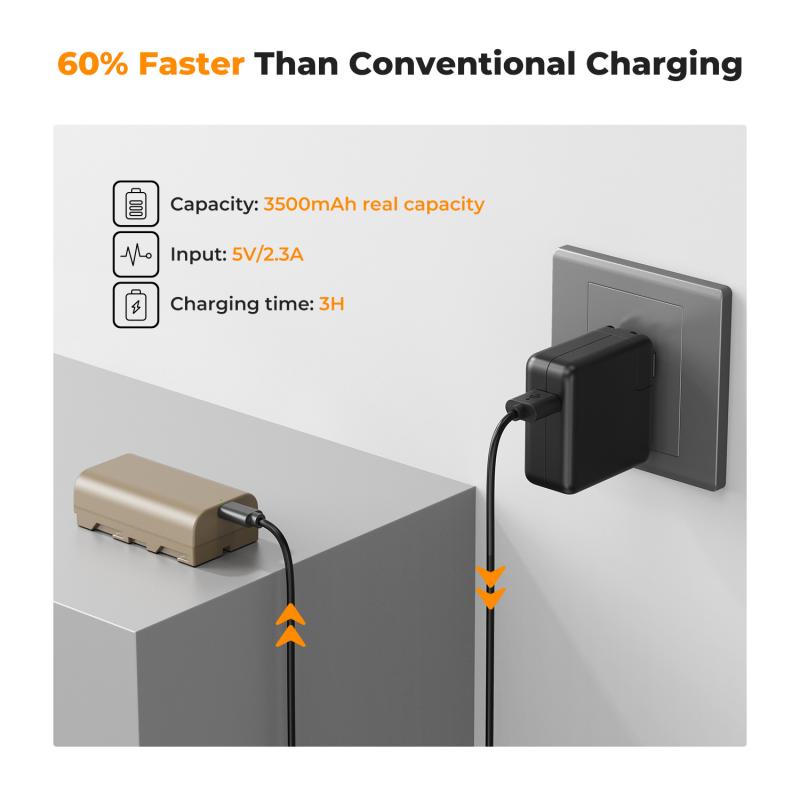
1. Battery Life: Battery cameras typically operate for a few hours on a single charge. Streaming, however, is a continuous activity that can extend over several hours, potentially exhausting the battery. This is one of the most significant limitations when using such devices for this purpose.
2. Overheating: Continuous recording and streaming put a significant load on the camera, and some battery-powered units are not designed to dissipate the heat generated during prolonged use. This overheating can lead to the device shutting down mid-stream.
3. Limited Connectivity: Many battery-powered cameras lack the advanced output ports (like HDMI or USB) or low-latency wireless capabilities necessary for live streaming. In fact, some models are limited to recording content internally rather than transmitting it live.
4. Quality Control: Budget or low-end battery cameras may not provide high-quality video suitable for streaming, such as poor resolution, low frame rates, or inadequate lens sharpness.
Steps to Overcome These Challenges
If you want to use a battery-powered camera for streaming, you’ll need to address these challenges systematically. Here is how you can do it:
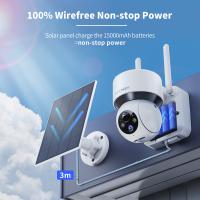
1. Ensure Continuous Power Supply: Many battery cameras offer specialized adapters or external power options. Check if your camera manufacturer provides an *AC power adapter* or USB-PD charging capability so the device can run continuously while plugged in.
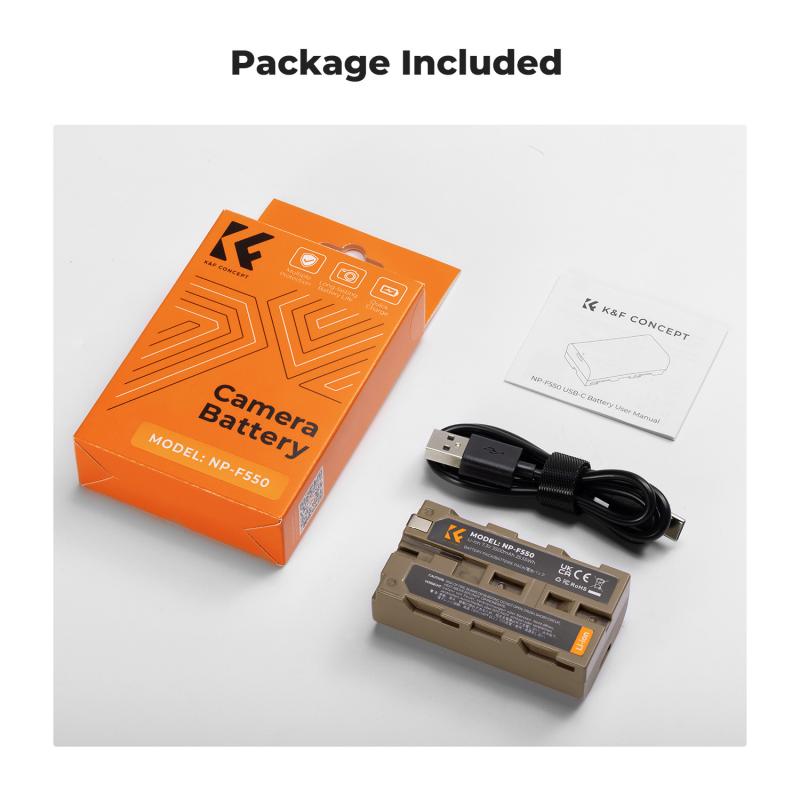
2. Employ High-Capacity Batteries: If external power options are unavailable, consider purchasing additional batteries with higher capacity or swappable battery packs. This can give you extended runtime, provided you’re prepared to swap batteries during breaks in the stream.
3. Optimize Camera Settings: Consider lowering video settings slightly—such as reducing resolution from 4K to 1080p or limiting the frame rate—to conserve battery life and prevent overheating. Many camera models also have 'eco' modes aimed at squeezing out a little extra runtime.
4. Use External Encoders: Battery-operated cameras often lack robust encoding capabilities for live streaming. You can bridge this gap by using external devices like HDMI capture cards or wireless stream encoders connected to a computer or a dedicated device.
5. Improve Cooling and Ventilation: If overheating is a concern, consider enhancing airflow around the camera and avoiding direct sunlight during long streaming sessions. Some users even fashion DIY cooling setups with small external fans.
6. Wireless Streaming Solutions: Some battery-powered cameras come with built-in Wi-Fi or Bluetooth capabilities for transferring data wirelessly. If your camera supports such features, ensure compatibility with streaming platforms or use third-party mobile apps and software to enable live broadcasting.
Best Use Cases for Battery Cameras in Streaming
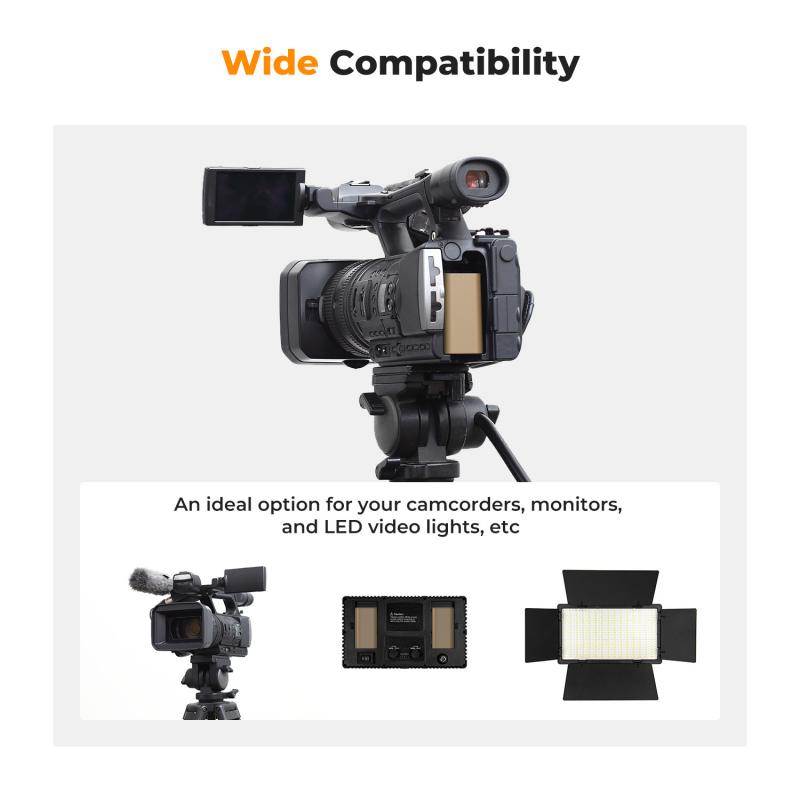
While battery run time and connectivity can limit the streaming scenarios for these cameras, they shine in specific situations due to their portability:
1. Outdoor and Mobile Streaming: Since battery-powered cameras don’t rely on wired connections, they are excellent for outdoor live streams, such as hiking, wildlife observation, or sports.
2. Ad-Hoc Live Coverage: For casual, short-duration streams—whether it's capturing a live performance, a micro-documentary, or even impromptu interviews—battery cameras excel.
3. Backup Camera for Multi-Angle Streams: You can use a battery-powered camera as a secondary angle source for professional live streams. This gives you the flexibility to switch perspectives during the stream.
4. Security-based Live Streaming: Many modern security cameras—fueled by batteries—offer API or third-party app integration, letting users live stream footage during specific events or emergencies.
Recommended Models of Battery-Powered Cameras for Streaming
Not all battery-powered cameras are created equal. If you’re in the market to buy one specifically for streaming, here are some models that cater to this purpose:
1. GoPro HERO Series: The GoPro HERO line, particularly the HERO11 Black, excels in outdoor and action-oriented live streaming. It boasts high-quality video resolution, robust wireless connectivity, and solid battery performance for short-duration streams.
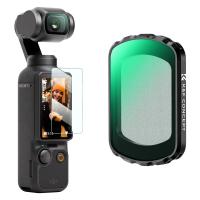
2. DJI Pocket 2: This compact and versatile camera includes features like 4K video recording, reliable wireless options, and compatibility with streaming apps, making it a fantastic choice for casual live streams.
3. Canon PowerShot G7 X III: Known for its high-quality image processing and direct YouTube live streaming capabilities, this camera hits the sweet spot between portability and performance.
4. Zosi C1 Battery Security Camera: While primarily a security camera, it offers live viewing features via apps and is designed for long-lasting battery life in remote locations.
5. Sony ZV-1: Designed for content creators and vloggers, the Sony ZV-1 features professional-grade video quality and USB streaming support, which elevates it above most other battery-powered cameras.
Conclusion: Is It Worth It?
Using battery-powered cameras for live streaming is indeed feasible but often requires additional effort and hardware. These cameras are best suited for specific use cases, such as mobile and short-duration streams, rather than long, uninterrupted broadcasting sessions. For more intensive streaming needs, investing in a dedicated, AC-powered streaming camera might be a more practical choice.
That said, battery cameras shine in their versatility. By addressing their inherent limitations—such as using external power sources, managing heat, and optimizing connectivity—you can transform a portable battery-powered device into a competent streaming solution. Whether you’re an outdoor adventurer, a vlogger, or a hobby streamer, making the most of these portable devices can open up myriad possibilities for creative storytelling and interaction.
With the right approach, battery cameras bridge the gap between portability and functionality, proving that great content creation doesn’t always require being tethered to a power outlet. It’s all about careful planning, experimentation, and understanding your specific streaming needs.