How Do Wifi Game Cameras Work?
Wi-Fi game cameras, also known as wireless trail cameras, are an innovative piece of technology that have become an essential tool for wildlife enthusiasts, hunters, and researchers. These cameras allow users to remotely monitor and observe wildlife or specific locations without physically retrieving the camera's data. Understanding how Wi-Fi game cameras work provides insights into their functionality and highlights their advantages over traditional game cameras that rely on manual image and video retrieval.
What is a Wi-Fi Game Camera?

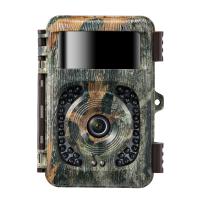
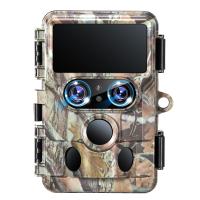
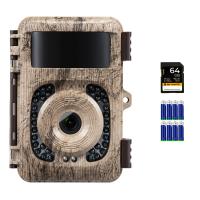
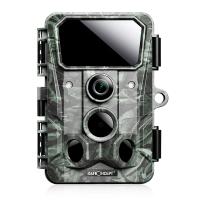
A Wi-Fi game camera is a type of trail camera equipped with wireless networking capabilities. With Wi-Fi functionality, users can access the camera's images and videos without needing to physically interact with the device. This eliminates the hassle of retrieving SD cards or storage devices, making it a convenient solution. These cameras are popular in wildlife monitoring, hunting, security surveillance, and outdoor recreational fields.
How Wi-Fi Game Cameras Work

Wi-Fi game cameras use the principles of wireless technology to connect to devices such as smartphones, tablets, or computers. Below is an overview of how these cameras work:
1. Camera Setup and Placement

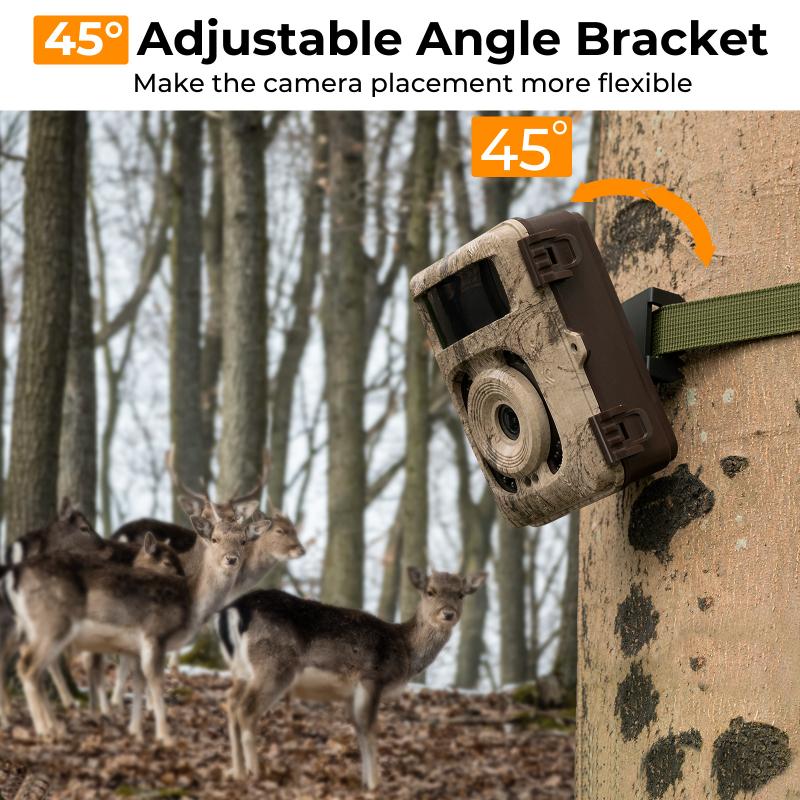
Users begin by setting up the camera at their desired location, such as a trail, a waterhole, or even a backyard. The camera usually features mounting options like straps or brackets, ensuring it stays fixed and stable in the chosen spot.
The placement is strategic to capture wildlife activity or other events in the area. A good Wi-Fi game camera has weatherproof housing to protect it from environmental elements such as rain, snow, or dust.
2. Wi-Fi Connectivity
Once the camera is positioned, users connect it to their Wi-Fi-enabled device or network. Some cameras connect directly to a smartphone or tablet via peer-to-peer (local) Wi-Fi, while others link to a home wireless internet network.
For local Wi-Fi connections, the camera generates its own Wi-Fi signal, allowing devices within a specific range (often between 50-150 feet) to connect directly. Cameras connected to a home network or a wireless router provide extended access, enabling users to retrieve data even from farther distances.
3. Triggers and Recording
Wi-Fi game cameras are equipped with motion sensors (usually passive infrared sensors) that detect movement in their field of view. When motion is detected, the camera is triggered to record or photograph the activity. Some models also provide time-lapse features, capturing images at specific intervals regardless of motion detection.
These cameras typically offer customizable settings. Users can adjust the sensitivity of motion detection, recording duration, or even resolution to suit their specific needs.
4. Data Storage and Transmission
The recorded data—photos or videos—is stored on an SD card or internal memory within the camera. As Wi-Fi is active, users can wirelessly transfer this data to their smartphones or tablets using a dedicated mobile app or software provided by the camera manufacturer.
Some advanced cameras allow live streaming, enabling users to observe events in real time. These live feeds are particularly useful for researchers or hunters monitoring animal activity patterns.
5. Remote Access and Control
The true strength of Wi-Fi game cameras lies in their remote accessibility. Users can configure camera settings, view live footage, and retrieve stored images and videos directly from their connected devices. This feature saves users from needing to visit the physical camera repeatedly, making it convenient for cameras placed in hard-to-reach areas.
Additionally, most mobile apps for Wi-Fi cameras include user-friendly interfaces that display data like battery levels, cellular signal strength, or storage capacity, allowing users to manage the device more efficiently.
Benefits of Wi-Fi Game Cameras
Wi-Fi game cameras have gained popularity because they solve many of the challenges associated with traditional trail cameras. Here are the key benefits:
1. Convenience and Efficiency
One of the most significant advantages of Wi-Fi game cameras is their ability to transfer data wirelessly. Users no longer need to trek to the camera location to retrieve SD cards manually. This convenience is especially helpful for cameras placed in remote locations.
2. Real-Time Monitoring
With live-streaming capabilities, Wi-Fi game cameras allow users to watch footage in real-time directly on their mobile devices. This feature is ideal for hunters tracking animal movements or researchers studying wildlife behaviors.
3. Reduction of Human Disturbance
Traditional trail cameras require users to visit the site to retrieve storage media, potentially disturbing the surrounding environment and its wildlife. Wi-Fi cameras eliminate these visits, reducing human interference and allowing wildlife to behave naturally.
4. Instant Feedback
Because of the wireless connectivity, users can receive instant updates on the camera's activity. This allows hunters or security personnel to act quickly in response to any noteworthy events captured by the device.
5. Improved Versatility
Wi-Fi cameras are versatile and can be used not only for wildlife observation but also for security surveillance and outdoor event monitoring. Their ability to connect remotely makes them ideal for various applications beyond wildlife tracking.
Common Features of Wi-Fi Game Cameras
Modern Wi-Fi game cameras come with numerous advanced features that enhance their usability:
High Resolution: Many Wi-Fi cameras provide high-quality images and videos, often with resolutions of 1080p or higher.
Night Vision: Infrared technology enables these cameras to capture clear images and videos even in low-light conditions or complete darkness.
Weatherproof Design: These devices are built to withstand harsh outdoor conditions, ensuring durability and reliability.
Mobile App Integration: Dedicated apps allow users to remotely control the camera, retrieve footage, and adjust settings from their smartphones or tablets.
Multimedia Format Options: Several cameras allow users to choose between photo or video recording modes based on their requirements.
Challenges and Limitations of Wi-Fi Game Cameras
Despite their advantages, Wi-Fi game cameras do have certain limitations:
1. Range Dependency
Wi-Fi cameras relying on local peer-to-peer connectivity have limited operational ranges, typically between 50 and 150 feet. If the area to be monitored exceeds the range, connectivity may be disrupted.
2. Battery Life
Wi-Fi functionality consumes power, draining the camera's battery more quickly than traditional models. Users may need to replace or recharge batteries frequently if they wish to maintain full functionality.
3. Network Reliance
Cameras connected to a home Wi-Fi network depend on its stability. Any interruption to the network may hinder remote access or data transmission.
4. Cost
Wi-Fi-enabled game cameras are generally more expensive than traditional models due to their advanced features and technologies. Users must weigh the cost against the benefits to decide if this technology suits their needs.
Tips for Using Wi-Fi Game Cameras Effectively
To maximize the effectiveness of your Wi-Fi game camera, here are some practical tips:
Strategic Placement: Position the camera in high-activity areas to ensure you capture relevant footage. Keep the camera concealed to reduce the chances of damage or theft.
Regular Maintenance: Check battery levels, clean lenses, and ensure the Wi-Fi signal remains strong to maintain optimal functionality.
Understand Range Limitations: If using peer-to-peer Wi-Fi, install the camera within effective range of the connected device, or consider a model that connects to an extended network.
Optimize Settings: Adjust sensitivity, resolution, and recording times according to your specific needs to conserve storage and battery life.
Final Thoughts
Wi-Fi game cameras are a game-changer for wildlife enthusiasts, hunters, and anyone looking to monitor outdoor environments without unnecessary physical effort. Their ability to connect wirelessly to your device offers unmatched convenience compared to traditional trail cameras. By providing real-time monitoring, reducing human interference, and streamlining data retrieval, these cameras simplify the process of observing and recording events in nature.
Investing in a Wi-Fi game camera is beneficial for those passionate about wildlife observation or those requiring proactive security measures. However, to make the most out of the technology, users should familiarize themselves with the camera's connectivity requirements, limitations, and customizable features. With these tools in hand, you’ll be able to efficiently access high-quality footage and deepen your understanding of how Wi-Fi game cameras revolutionize outdoor monitoring.