How To Find Hidden Camera In House?
With the increasing integration of technology into daily life, the risk of unauthorized surveillance devices, such as hidden cameras, invading personal privacy has become a concern for many people. Whether it's in rental accommodations, hotels, Airbnbs, or even in one's own home, hidden cameras can serve as tools for illegal surveillance that compromise security and peace of mind. If you suspect—or simply want to ensure—that your personal space is free from such devices, there are actionable steps you can take to locate and address them effectively. In this article, we’ll explore practical methods for identifying hidden cameras in your home or other living spaces, and techniques to safeguard your privacy.
Why You Should Be Concerned About Hidden Cameras
Hidden surveillance equipment is easier and cheaper to obtain than ever before. These small devices can be disguised as ordinary household items, such as clocks, smoke detectors, light bulbs, or phone chargers. While some people use hidden cameras for legitimate purposes—like home monitoring—malicious actors may use them for unlawful surveillance, invading your personal space and even recording sensitive information.
Common Scenarios of Concern:
- Short-term rental accommodations like Airbnbs or hotels.
- Shared living spaces with acquaintances or lodgers.
- Public restrooms or dressing rooms where misconduct is suspected.
- Worried homeowners who suspect unauthorized entry or illegal monitoring.
Recognizing how easy these devices can blend into your environment is the first step in ensuring your privacy. The subsequent steps detail how you can efficiently detect them.
Signs That Suggest the Presence of a Hidden Camera
Before diving into technical or systematic methods of finding cameras, it’s helpful to identify signs that might indicate unauthorized surveillance.
1. Unfamiliar Devices or Items: If you find objects that seem out of place or unfamiliar in your home or a rental property, it might warrant closer inspection.
2. Small Drill Holes or Vents Facing Common Areas: Tiny holes, especially in walls, vents, or everyday objects, may conceal micro-cameras.
3. Odd Reflections or Lights: Hidden cameras often have lenses that reflect light. If you notice unusual glints or sparkling spots where they shouldn’t be, it could be an indicator.
4. Unexplained Presence of Wi-Fi Signals: Many hidden cameras operate on Wi-Fi to transmit footage remotely. Detecting unfamiliar networks in your vicinity might reveal the presence of such devices.
5. Suspicious Noises: Some hidden devices emit faint buzzing or clicking noises when operating.
How to Actively Detect Hidden Cameras in Your Space
If you suspect there’s a hidden camera in your surroundings or just want peace of mind, the following steps can help you perform a detailed check. Start with a thorough visual inspection and proceed to technical methods if necessary.
1. Perform a Physical Inspection
Check Common Camera Hiding Spots:
Cameras are often concealed in areas that provide a full view of the room. Focus on objects like clocks, light fixtures, electrical outlets, air purifiers, USB chargers, and picture frames. Pay attention to anything that seems misaligned or positioned awkwardly.
Examine Mirrors Carefully:
Hidden cameras can sometimes be placed behind two-way mirrors. To test, press your finger against the mirror. If there’s no gap between your finger and the reflection, it might be a two-way mirror, possibly hiding a camera.
2. Turn Off the Lights and Scan with a Flashlight
Darkness amplifies reflections, making it easier to spot camera lenses. Turn off all lights in the room, use a flashlight, and slowly sweep it across suspected areas. A camera lens will often reflect light differently compared to other materials, appearing as a small glint or sparkle.
3. Use Your Smartphone Camera
Some hidden cameras might emit infrared light that is invisible to the naked eye. By opening your smartphone’s camera (especially on older phones without infrared filters), you might spot an unusual bright spot when directed toward the hidden camera.
Here’s how you can do it:
- Turn off the lights in the room.
- Open the camera app and point your phone at objects where a hidden camera might be placed.
- Look for unusual flares or bright spots that could indicate infrared light.
4. Use an RF Signal Detector
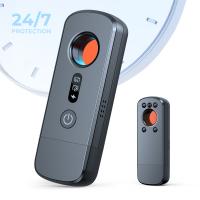
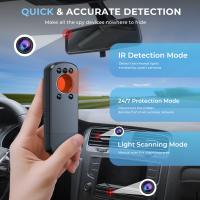
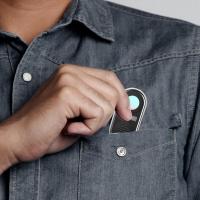
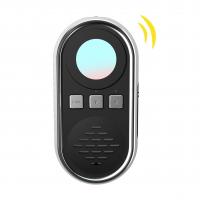
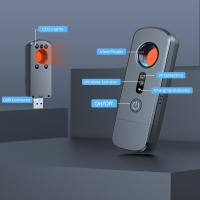
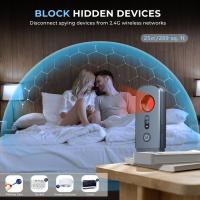
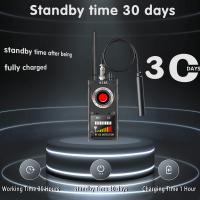
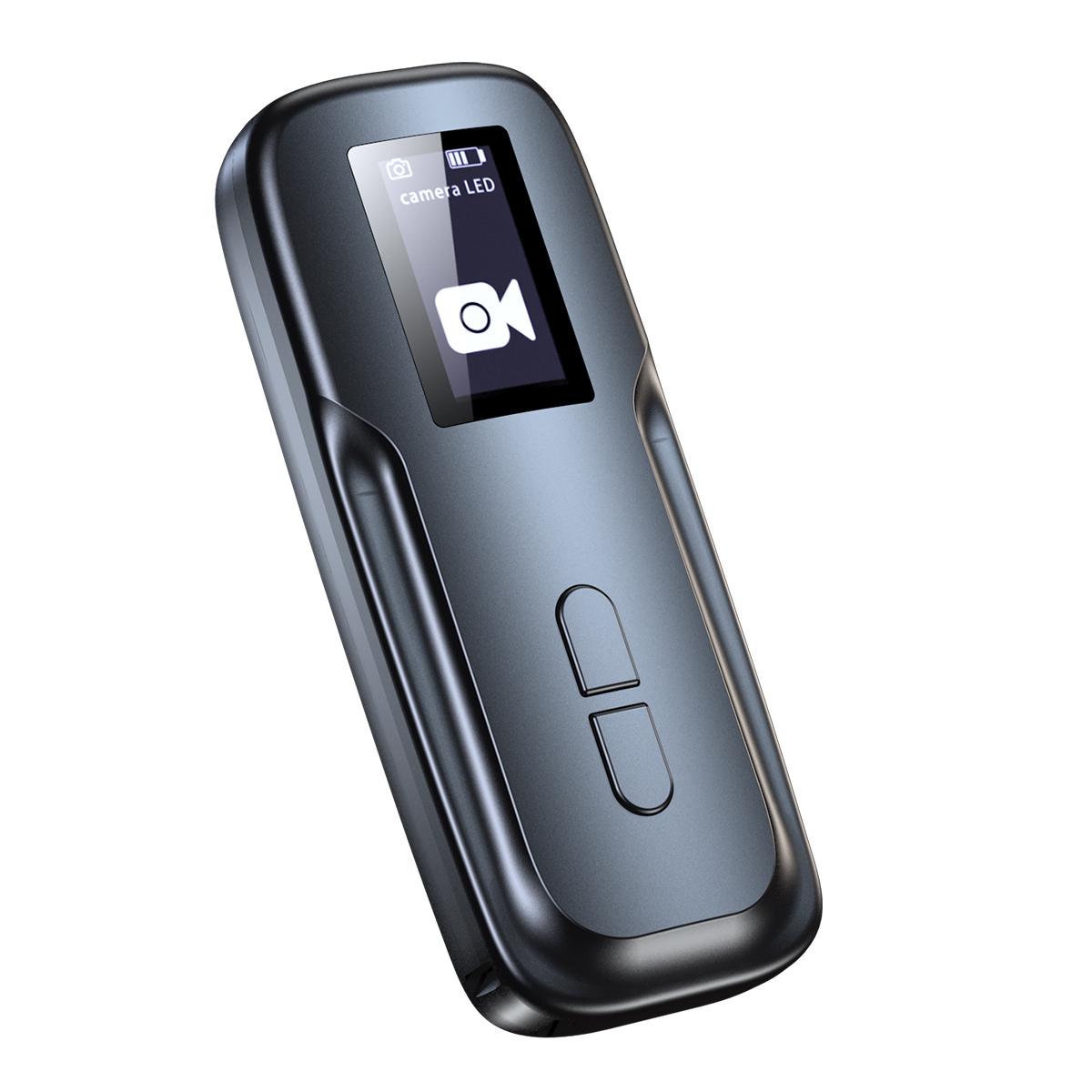
Wireless hidden cameras often transmit data using radiofrequency (RF) signals. An RF detector can scan for these signals and sound an alert if it detects unusual activity. Move the detector around common hiding spots and furniture to identify any hidden transmitting devices.
5. Use Wi-Fi Network Scanning Apps
Some cameras operate directly on your home Wi-Fi or create their own signal. Apps like Fing or NetSpot can scan for connected devices on your network. Look for unfamiliar devices or IP addresses, especially those identified as webcams or unknown IoT gadgets.
Tip: Disconnect your own smart home devices temporarily so they don’t interfere with your search by creating network noise.
6. Thermal Imaging Devices (Optional)
While these devices are more expensive, they allow you to detect heat signatures, which can identify active electronic devices like cameras. This step may be unnecessary for everyday use but is an advanced option for those who want extra protection.
7. Professional Help
If you are concerned about missing a well-hidden camera, consider hiring a professional. Security companies or private investigators have specialized tools and expertise to locate even the most inconspicuous surveillance equipment.
What to Do When You Find a Hidden Camera
Finding a hidden camera understandably causes shock, anger, and anxiety. Here are steps you can take to address the situation effectively:
1. Document the Evidence:
Take pictures and videos of the suspected hidden camera, while avoiding direct contact. This documentation serves as evidence if legal action is necessary.
2. Notify the Authorities:
Report the incident to the police or appropriate legal entities. Surveillance without consent is a crime in many places, and authorities can investigate the source of the device.
3. Alert the Establishment:
If you find hidden cameras in a rental space, notify the host or management immediately. You can also contact the platform (e.g., Airbnb, hotel) and provide your evidence.
4. Remove or Disable the Camera:
Once you have documented the device, you may consider removing its power source to stop any ongoing transmission. However, consult with legal authorities before tampering with it extensively.
Preventative Measures to Protect Your Privacy
The best way to combat the problem of hidden cameras is to take proactive steps:
1. Invest in Detection Devices: Portable RF or camera detectors can be purchased online to conduct routine checks in unfamiliar accommodation or environments.
2. Cover Camera-Prone Areas: When staying in hotels or rentals, cover vents, holes, or any devices you find suspicious with non-damaging materials like tape or fabrics.
3. Limit Personal Data in Public Spaces: Avoid discussing sensitive personal or financial information in rooms or places you think might be under surveillance.
4. Check Online Reviews Before Booking: Prioritize accommodations with consistently positive reviews that don’t feature complaints about privacy violations.
5. Secure Your Own Home: Use smart devices from reputable brands and ensure your Wi-Fi network is protected with strong passwords to detect unauthorized installations on your property.
While the chances of encountering a hidden camera may not be exceedingly common, the risk still exists, and being informed can make all the difference in protecting your privacy. Learning the signs of unauthorized surveillance and equipping yourself with simple detection techniques helps reclaim control over your personal and private spaces. By remaining vigilant and taking action, you not only safeguard your safety but also contribute to the growing awareness of privacy rights in an increasingly connected world.
Regardless of whether you’re at home, staying at a short-term rental, or traveling, these strategies equip you to address and mitigate concerns related to hidden surveillance devices. Take charge of your security and peace of mind—you’re entitled to privacy wherever you go!