When To Use Uv Lens Filter?
When it comes to photography, the decisions you make about the gear you use can significantly influence the quality, longevity, and aesthetic of your images. UV lens filters are one such piece of equipment that often sparks debate among photographers about their efficacy and purpose. Whether you're a seasoned professional or an amateur still getting comfortable with your camera, the question "when to use a UV lens filter" is one that you’ll likely encounter. In this article, we will explore the practical uses of UV lens filters, their benefits and drawbacks, and situations where employing or avoiding them makes sense.
What Is a UV Lens Filter?
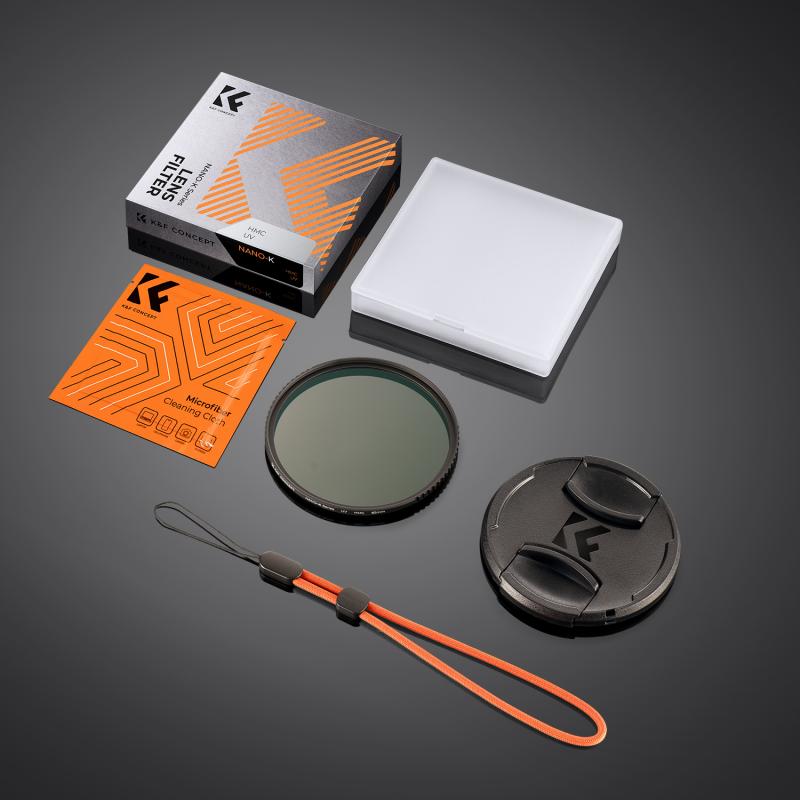
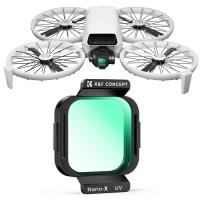
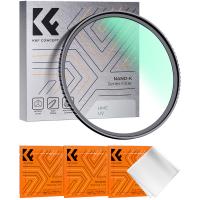
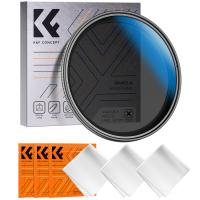
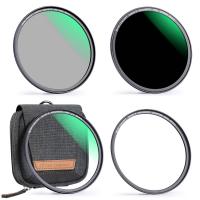
Before diving into their uses, let’s first understand what UV lens filters are. These filters are thin pieces of glass or optical material that attach to the front of your camera lens. Their primary purpose is to block ultraviolet light from reaching the camera sensor. UV light is invisible to the human eye but can affect image quality, leading to a bluish haze or reduced clarity in certain outdoor settings.
Modern camera sensors and advanced lens coatings already do a good job mitigating the impact of UV light, making UV filters less critical than they were in the days of film photography. However, UV lens filters have evolved to become multipurpose tools, offering benefits such as lens protection, improved image clarity in specific conditions, and convenience for outdoor photography.
Practical Uses of UV Lens Filters
1. Lens Protection
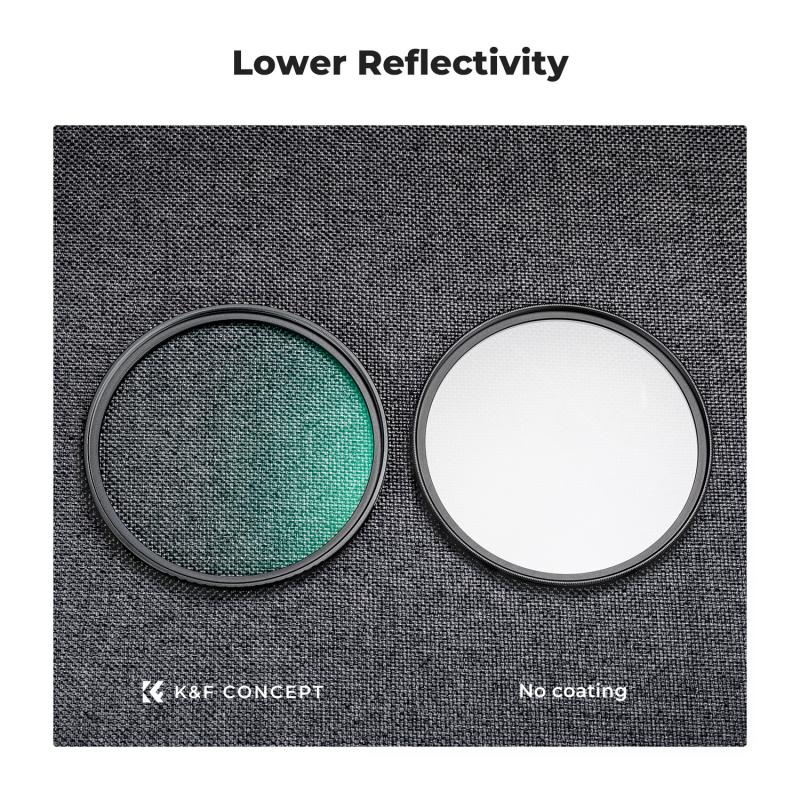
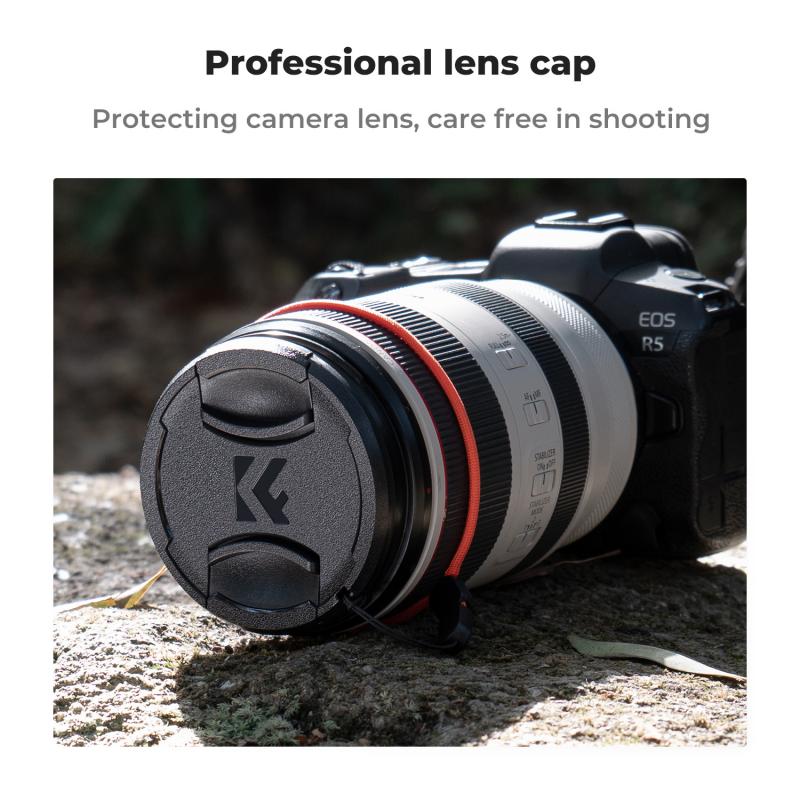
One of the most common uses of UV filters nowadays isn’t related to their ability to block ultraviolet light but rather their function in lens protection. A UV filter acts as a physical barrier between your camera lens and the outside world. This added layer can protect your lens from:
- Scratches and scuffs: Accidental contact with hard, abrasive surfaces during transit or use can damage your expensive lens, and replacing a scratched filter costs far less than repairing lens glass.
- Dust and dirt: Using a UV filter can save you considerable time and effort in cleaning, as wiping dust off the filter is easier than dealing directly with your lens.
- Fingerprints: Filters offer peace of mind if you accidentally touch the lens, as fingerprints on a filter are trivial to clean compared to a smudged lens.
- Water and moisture: Weather conditions such as rain or high humidity pose risks to lenses, particularly when working in challenging environments.
In some high-risk outdoor situations, having a UV filter can feel like an inexpensive insurance policy for your lens. For photographers who work in fields such as landscape photography, travel photography, or sports photography, this protective function often justifies the cost of a UV filter.
2. Reducing Haze in Outdoor Photography
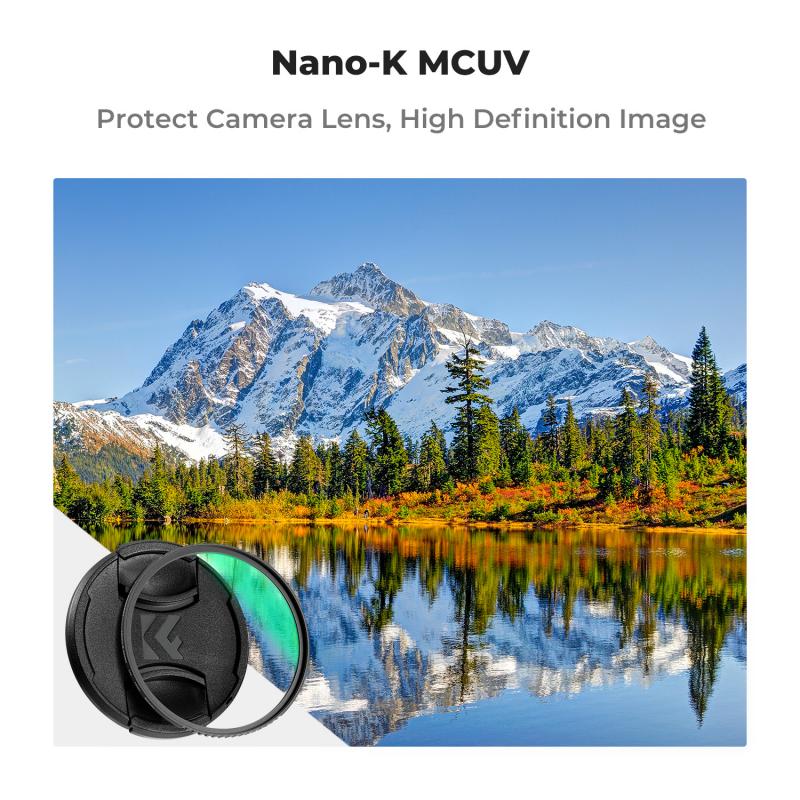
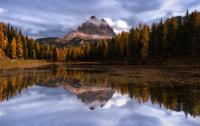
Hazy conditions caused by ultraviolet light are still a real challenge in certain environments, particularly when shooting at high altitudes, near bodies of water, or in areas with intense sunlight. UV filters excel in minimizing this haze, especially when capturing landscapes, mountainous regions, or seascapes. While modern digital sensors and lens coatings often reduce haze on their own, combining a UV filter with these technologies results in sharper and more detailed images.
This practical use is why outdoor enthusiasts and travel photographers frequently keep UV filters in their kits. If you're shooting in an environment with excessive UV exposure, such as a sunny mountain range or beach, using a UV filter is advisable for reducing unwanted haze and ensuring optimal image clarity.
3. Preserving Image Colors and Contrast
Though not a primary function, UV filters can help maintain the natural colors and contrast in your images by limiting the interference of UV light. In certain outdoor settings, UV light can artificially dull colors, making blue tones overly saturated while muting warmer hues like reds and yellows. A UV filter serves to protect image integrity by balancing these effects.
This usage is relatively niche compared to other filters, such as polarizers, which are better suited for enhancing contrast in skies or minimizing reflections. However, UV filters come in handy when subtle adjustments to color and contrast are needed—especially in scenes with intense natural light where fine details matter.
4. Convenience for Everyday Shooting
Even for photographers who rarely shoot in extreme conditions, a UV filter can serve as a versatile add-on due to its low maintenance. It stays attached to your lens and serves multiple functions without requiring settings adjustments or manual intervention. This convenience makes UV filters a staple in many photographers' toolkits, including for casual shooting or capturing spontaneous moments.
Situations Where UV Filters May Not Be Ideal
Despite their benefits, UV filters are not suitable for all photography situations. Overusing or misusing them can lead to unintended drawbacks that compromise image quality or diminish the versatility of your gear.
Loss of Optical Quality
While high-quality UV filters from trusted brands like Hoya, B+W, and Tiffen typically maintain excellent optical clarity, cheaper or poorly manufactured filters can noticeably degrade the image quality. Low-grade filters may introduce blurring, vignetting, or flare, which can be frustrating when you’re trying to achieve professional-level shots. If you decide to use a UV filter, invest in a premium product to minimize these risks.
Lens Flare or Reflections
UV filters can increase the likelihood of reflections and lens flare, especially under direct sunlight. If you're working in conditions where light reflections are paramount—say, during sunset photography—you may risk introducing unintentional distortions into your images. In these cases, removing the UV filter is better than keeping it attached.
Redundancy in Some Conditions
In controlled indoor settings or low-light environments, UV filters serve little to no functional purpose because there’s minimal ultraviolet light to block. Similarly, urban photography or scenes that don’t involve extreme environmental conditions may not necessitate a UV filter. In such situations, keeping your lens bare without a filter can be advantageous for preserving its original optical quality.
Best Practices for Using UV Lens Filters
If you’ve decided to incorporate UV filters into your photography workflow, follow these tips to maximize their benefits and minimize their potential downsides:
1. Invest in Quality: Choose UV filters from well-known brands that specialize in optical equipment. Cheap filters may be tempting but often compromise your images.
2. Clean Regularly: Filters can accumulate dust, moisture, or fingerprints after extended use. Cleaning them with a microfiber cloth ensures they perform optimally and don’t introduce artifacts to your images.
3. Evaluate Each Situation: Before attaching or leaving a filter on your lens, consider the conditions. For controlled studio shoots or photos in low light, removing the UV filter may yield sharper results.
4. Stack Filters Judiciously: If you’re using other filters, such as polarizers or ND filters, avoid stacking multiple filters unnecessarily, as this can lead to vignetting or distortions.
5. Always Test: When experimenting with UV filters for the first time, compare images with and without them in various lighting scenarios to better understand how they impact your photographs.
The Verdict: Do You Need a UV Lens Filter?
Whether or not you need a UV lens filter depends entirely on your shooting environment, preferences, and personal photography habits. For outdoor photographers, travel enthusiasts, and those looking for an extra layer of protection for their lenses, UV filters are a valuable addition to your arsenal. They’re lightweight, simple to use, and effective in certain conditions.
On the other hand, if your photography revolves around controlled settings, such as studio shoots or nighttime scenes, a UV filter might not add much value. Additionally, with modern optics effectively managing UV light, their primary purpose in reducing haze has diminished, leaving their protective attributes as the key selling point.
In conclusion, when deciding to use a UV lens filter, weigh the pros and cons based on your specific needs. Like all photography tools, knowing when and how to use them is critical for achieving the best results and elevating your photographic skills. With careful consideration and proper usage, UV filters can be an indispensable tool in your kit—helping you protect your gear, enhance your images, and bring your creative vision to life.