Which Metal Detector For Beginner?
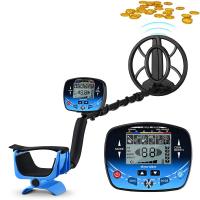
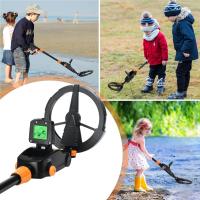
When it comes to metal detecting, beginners often face a confusing marketplace filled with a variety of options, technologies, features, and price points. Choosing the right metal detector for your needs can be daunting, especially if you're just starting out and unfamiliar with the intricacies of the hobby. Luckily, beginners don’t necessarily need the most expensive or advanced equipment to enjoy treasure hunting and uncover hidden relics. In this article, I'll walk you through what to look for in a beginner-friendly metal detector, as well as provide practical advice to help you get started.
Why Metal Detecting Is a Great Hobby
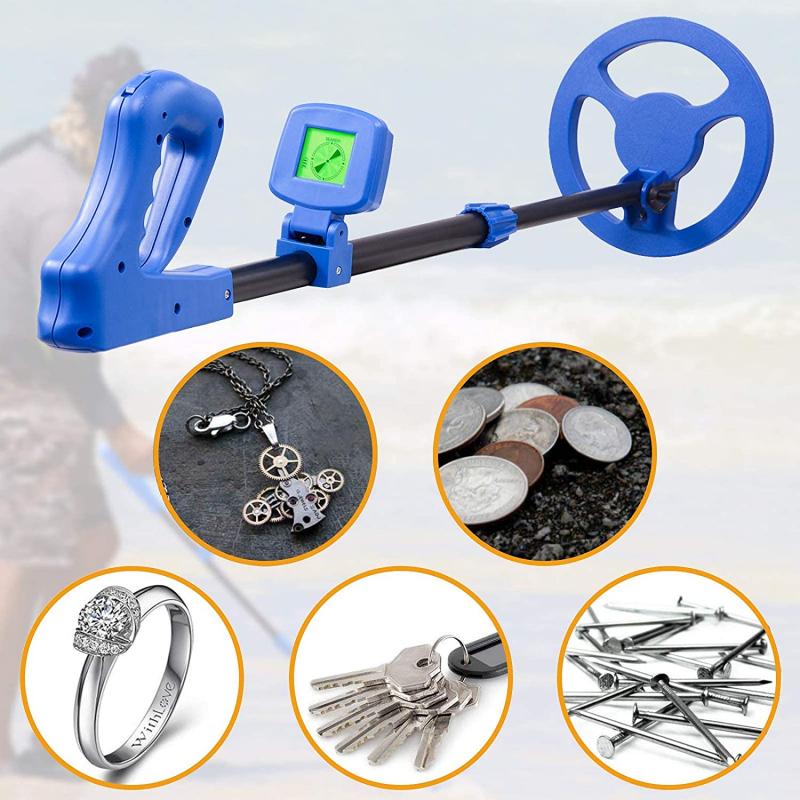
Metal detecting isn't just a pastime for history buffs or treasure hunters—it's an engaging activity that combines adventure, patience, and exploration. Whether you're searching for coins, jewelry, relics, or even gold, there's a thrill in uncovering something hidden beneath the soil, something with history attached to it. Metal detecting can also connect you to like-minded communities and groups that share your enthusiasm.
The right equipment is essential for beginner success because it ensures a smoother learning curve. A metal detector that is easy to operate, but still offers good performance, will help you focus on developing your skills and enjoying the hobby rather than wrestling with complicated settings.
What to Look for in a Beginner-Friendly Metal Detector
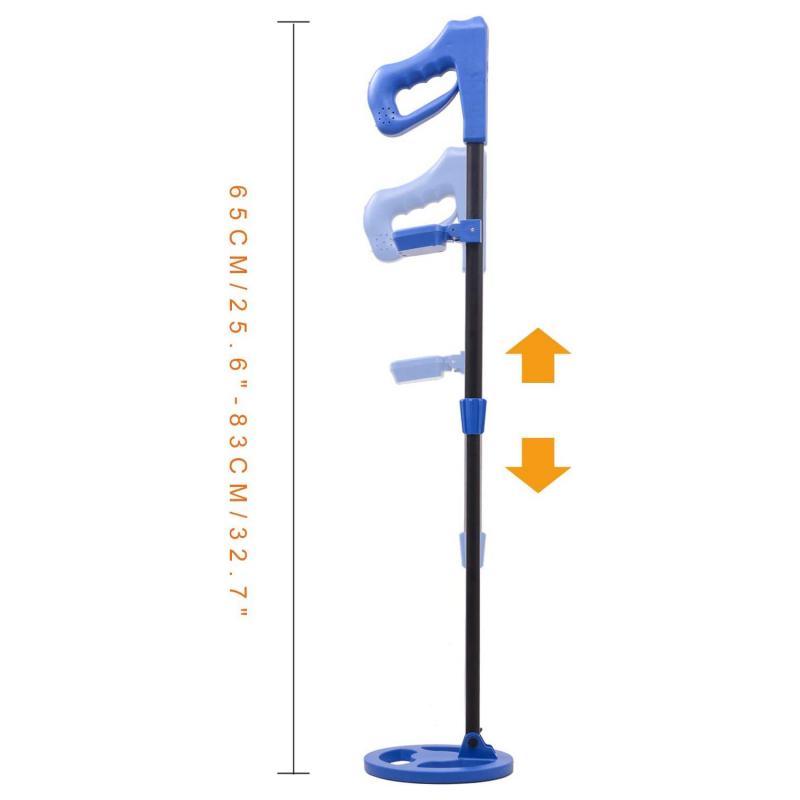
Before diving into specific models, it's important to understand what makes a metal detector suitable for beginners. Here are key factors to consider:
1. Ease of Use
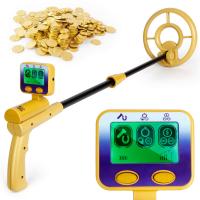
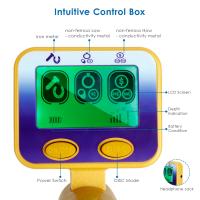
For those starting out, simplicity is crucial. You want a machine with intuitive controls and pre-set modes that allow you to begin detecting right away. Complicated settings can be overwhelming, so look for detectors labeled as "user-friendly" or "beginner models."
2. Weight and Comfort
A metal detector should have a lightweight design, especially for beginners who may spend hours using it. A heavy or bulky device can become problematic during prolonged use. Adjustable shafts and comfortable grips can also make a big difference.
3. Detection Modes
Many beginner detectors come with pre-configured search modes for different types of metal, such as coins, jewelry, and relics. These modes simplify detection tasks and provide a good introduction to the hobby.
4. Target Identification and Depth Indicators
A clear display for target identification is extremely helpful. These systems give you a general idea of what type of metal you've detected, as well as the depth of the object. This allows beginners to avoid digging unnecessarily for items of no interest.
5. Cost
Advanced detectors can be pricey, but you don’t need to spend a fortune as a beginner. Models in the range of $200–$400 typically offer a good balance of functionality and affordability.
6. Durability
Since you'll often be using the detector outdoors in various terrains, it's important to choose a model that’s built to last. A weather-resistant design is recommended, particularly if you’ll be detecting on beaches or in wet conditions.
7. Technology Options
There are two main types of metal detector technologies: VLF (Very Low Frequency) and PI (Pulse Induction). VLF detectors, which are commonly designed for general-purpose use, are more affordable and are an excellent choice for beginners.
Recommended Metal Detectors for Beginners
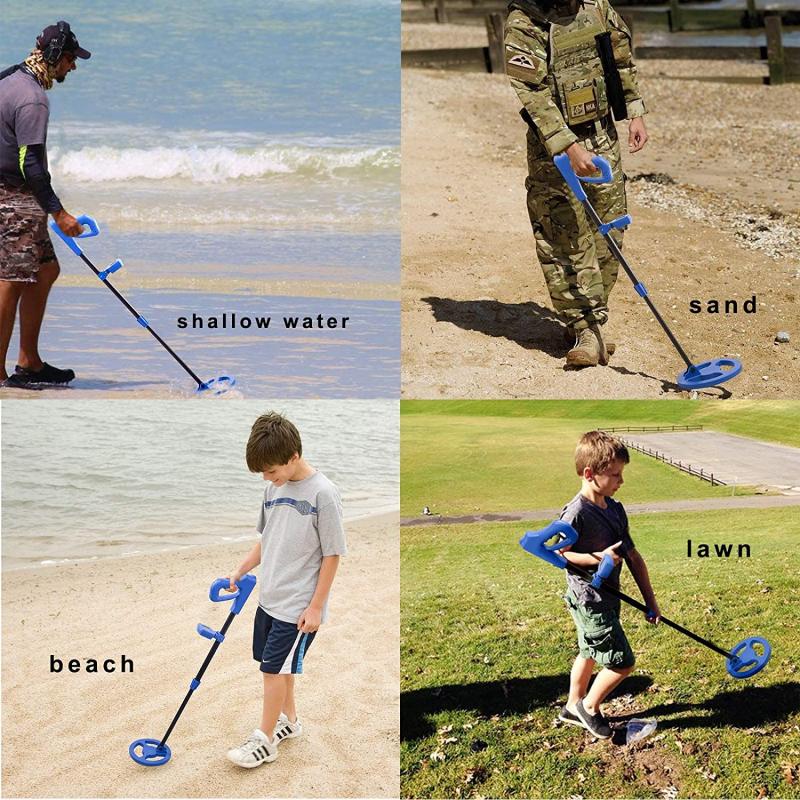
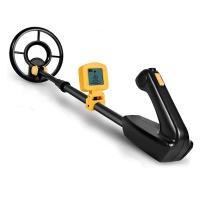
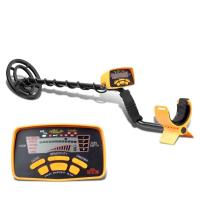
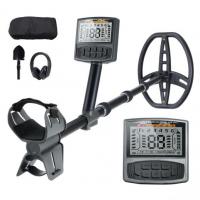
While there are numerous metal detectors on the market, these four models are widely regarded as beginner-friendly options that provide a solid foundation for newcomers:
1. Garrett ACE 300
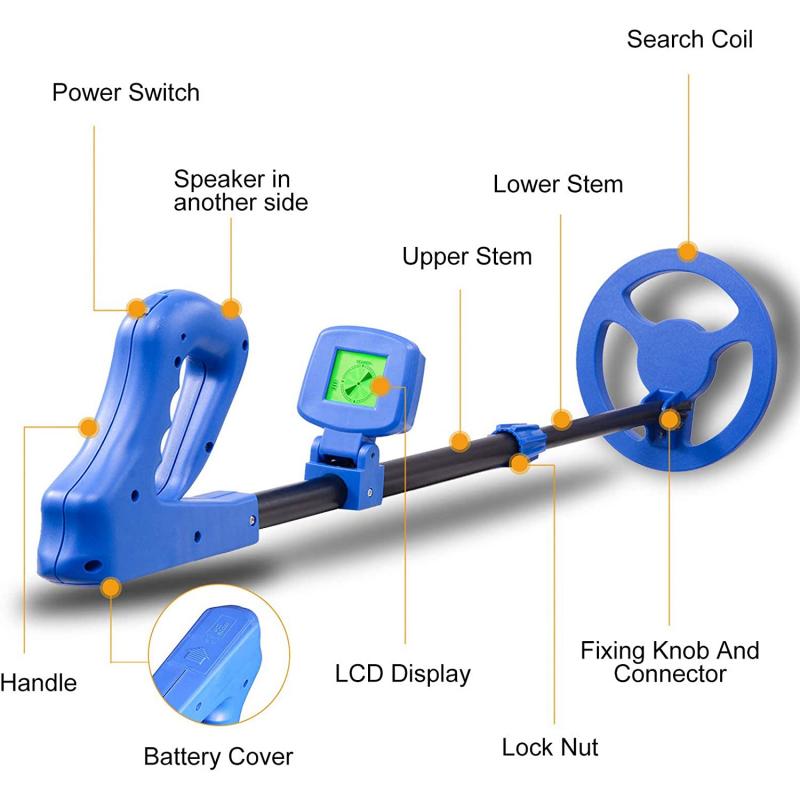
- Price Range: ~$250-$300
- Why It’s Great: Garrett brand detectors are known for their quality and reliability. The ACE 300 is beginner-friendly, featuring digital target ID, adjustable sensitivity, and pre-set modes for coins, jewelry, and relics.
- Key Features: 7-inch waterproof search coil, lightweight design, pinpointing function, and good depth capability.
2. Minelab Vanquish 340
- Price Range: ~$300
- Why It’s Great: Minelab is renowned for its advanced technology, but the Vanquish 340 is simple enough for beginners. With pre-set modes and Multi-IQ technology that detects multiple frequencies simultaneously, this detector is versatile and easy to use.
- Key Features: Lightweight build, waterproof coil, and excellent target separation.
3. Nokta Makro Simplex+
- Price Range: ~$300-$350
- Why It’s Great: A highly beginner-friendly detector that is completely waterproof and ideal for beach hunting. The Simplex+ also includes features like adjustable sensitivity, notch discrimination, and vibration alerts.
- Key Features: Backlit LCD display, rechargeable battery, and advanced detection options for an affordable price.
4. Fisher F22
- Price Range: ~$200-$250
- Why It’s Great: The Fisher F22 is a weather-resistant, easy-to-use detector with excellent target identification. It offers good performance at an affordable price point.
- Key Features: 9-segment visual target ID, notch discrimination, and adjustable sensitivity.
Any of these models are great starting points for a beginner, providing a mix of affordability, functionality, and ease of use.
Getting Started with Your Metal Detector
Once you've selected your metal detector, there are several steps and considerations to make for a successful start:
1. Practice in Your Yard or Local Parks
Start practicing in a familiar area, such as your backyard or a local park, so you can get used to the sounds, alerts, and target identification features. Digging in a predictable environment will help you learn what metals might sound and look like.
2. Bring Along Essential Tools
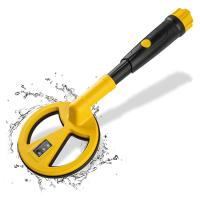
In addition to your metal detector, invest in tools such as a sturdy digging tool, gloves, and a pouch for carrying finds. Some detectors come with a pinpointing tool, but if not, consider purchasing one separately to make locating targets quicker and more precise.
3. Understand Local Laws
Metal detecting is fun, but it’s essential to follow local regulations. Research laws about detecting on public or private land to avoid trespassing and other legal issues. Some areas may require permits or prohibit detecting entirely.
4. Focus on Learning the Basics
Don’t get discouraged if you don’t find valuables right away. The first few outings are valuable for understanding your detector and the “language” it speaks when identifying targets. With practice, you’ll become adept at making sense of what you hear.
5. Join a Community
Metal detecting clubs or online forums are excellent places to share tips, stories, and advice. Communities can help you learn faster and keep you motivated as you progress in the hobby.
Common Pitfalls to Avoid
To maximize early successes, beware of these common mistakes:
Ignoring Ground Balance Settings: While some detectors offer automatic ground balancing, understanding how this works can prevent detection errors in mineralized soil.
Skimping on Accessories: Tools like digging implements, gloves, and pinpointers enhance the experience and eliminate frustration.
Underestimating Time Commitment: Metal detecting requires patience and persistence. Not every day will be filled with valuable finds, but consistency is key.
Final Thoughts
Metal detecting is one of the rare hobbies that combines exercise, outdoor exploration, community, and even the excitement of uncovering a hidden treasure. Choosing the right detector as a beginner is crucial to laying the groundwork for a fun and rewarding experience. The models recommended in this article are excellent starting points that balance affordability, functionality, and ease of use.
Whether you're searching for coins in a local park or uncovering relics at a historical site, the joy of discovery is hard to match. Stay patient, keep practicing, and immerse yourself in the thrill of the search—it won’t be long before you’re uncovering treasures and developing a deeper love for the hobby!
Happy detecting!