How To Choose An Underwater Camera?
How to Choose an Underwater Camera: A Comprehensive Guide
In the world of photography, capturing the mesmerizing underwater environment represents a fascinating challenge and opportunity. From vivid coral reefs and colorful marine life to mysterious caves and shipwrecks, every underwater scene has the potential to tell a unique story. But taking these stunning images requires having the right equipment—an underwater camera that aligns perfectly with your needs. With countless options available, choosing the best underwater camera might feel like navigating a maze. Here, we’ll explore how to make an informed decision based on your specific goals and the practical considerations involved.
Step 1: Define Your Purpose and Skill Level
The first step in choosing an underwater camera is identifying your primary use case. Are you a hobbyist looking to shoot occasional vacation photos and videos? Are you a professional photographer aiming to capture highly detailed underwater landscapes or wildlife for documentaries or exhibitions? Your goals, along with your level of experience, will significantly influence the features you need in a camera.
For Casual Users:
Many casual photographers simply want to document their snorkeling or diving adventures. If you fall into this category, an entry-level underwater camera will likely suit your needs. Compact waterproof cameras and smartphones equipped with underwater housings may be sufficient for your purposes, offering basic capabilities at a manageable price point.
For Professionals:
Professional photographers and filmmakers require more advanced tools. High-end underwater cameras with powerful sensors, adjustable settings, and compatibility with specialized underwater housings deliver superior image and video quality. Consider DSLR or mirrorless models designed for underwater environments if your projects demand precision and artistic control.
Step 2: Assess Waterproof Design vs. Housing
Underwater cameras generally come in two categories: waterproof cameras (cameras designed to function underwater without protective casing) and cameras that utilize specialized underwater housings. Each option has benefits and drawbacks to consider.
Waterproof Cameras:
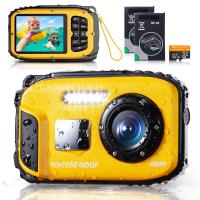
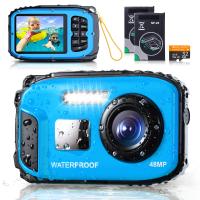
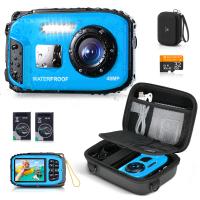
These standalone devices are built to endure immersion without additional equipment. Many are compact, lightweight, and easy to use—ideal for spontaneous photography while snorkeling or swimming. They often come with rugged features, such as shock resistance and freeze resistance, making them versatile in many outdoor environments beyond underwater usage.
However, most waterproof cameras come with depth limitations, typically around 30 feet (10 meters). If you aim to explore deeper waters, their use may be restricted.
Cameras with Underwater Housings:
Professional-grade cameras paired with specialized underwater housings allow you to dive to greater depths while maintaining optimal functionality. These housings provide waterproof security and often include features like customizable buttons and lens port systems compatible with wide-angle, macro, or fisheye lenses for underwater effects. While they enable higher-performance imaging, the added cost and bulk should be expected.
Step 3: Consider Essential Features
The technical features of your underwater camera will determine how successfully you can capture stunning images and videos beneath the surface. Here are some key features to evaluate during your search:
1. Depth Rating:
Depth rating is one of the most critical considerations for underwater cameras. Determine the maximum depth you plan to dive and ensure the camera or housing you choose exceeds that requirement. For serious divers venturing beyond 100 feet (30 meters), specialized DSLR or mirrorless cameras paired with professional-grade housings are essential.
2. Image Sensor Size and Resolution:
The sensor size dictates the level of detail and noise in your images. Larger sensors produce higher-quality images, even in challenging lighting conditions underwater. Resolution also matters—opt for cameras with at least 12 to 20 megapixels to ensure sharp, vibrant photographs.
3. Lens Options:
Some cameras have fixed lenses, making them less versatile for underwater shooting. For more flexibility, choose cameras or housings compatible with interchangeable lenses. Wide-angle lenses excel at capturing expansive underwater landscapes, while macro lenses are perfect for close-up shots of small marine creatures.
4. Video Capability:
If you envision capturing underwater videos, select a camera with high-definition (HD) or ultra-high-definition (4K) video recording capabilities. Look for options with smooth frame rates and electronic image stabilization for steady video footage in motion.
5. Low-Light Performance:
Light behaves differently underwater, where visibility diminishes and colors shift as you descend. A camera with good low-light performance and options for manual white balance adjustments can make a substantial difference in image quality. Consider models with fast lenses (f/2.8 or faster) and advanced ISO settings.
6. Durability:
Opt for a durable camera or housing that can withstand harsh underwater conditions, saltwater exposure, and physical impact. Scratch-resistant lenses and shockproof designs add valuable protection.
7. Battery Life:
Underwater activities can be time-intensive, and swapping batteries mid-dive isn’t practical. Choose cameras with long-lasting batteries to ensure your equipment won't fail before your adventure concludes.
Step 4: Evaluate Portability and Ergonomics
Underwater environments demand that you handle equipment with precision. Bulky cameras can be difficult to maneuver underwater, especially if your hands are gloved during long dives. Make sure the camera or housing has an ergonomic design and is easy to hold and operate.
Smaller, lightweight models may be more convenient for recreational users, while larger professional setups are often necessary for photographers focusing on high-quality output. Balance portability with functionality, based on your intended use.
Step 5: Don’t Forget Add-Ons and Accessories
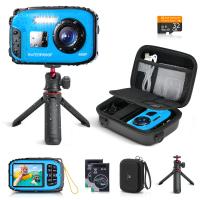
Some underwater cameras can be significantly enhanced through the use of accessories such as strobes, lights, filters, and additional lenses. Consider the type of content you want to produce and research whether the camera you're interested in supports these upgrades.
Lighting:
Underwater photography often requires external lighting due to limited natural light. Look into strobe lights or LED lights capable of illuminating your subjects and restoring vibrant colors lost at deeper depths.
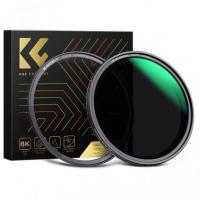
Filters:
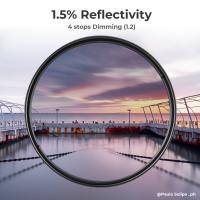
Color-correcting filters are essential for addressing the loss of warm colors like red and orange at depth. These filters can help you produce more natural and accurate images.
Stabilization Tools:
Mounts and handles improve stability during underwater movements, especially for video recording. Consider whether these extras are compatible with your system.
Step 6: Compare Price Points
Underwater cameras come in a wide range of price points. Compact waterproof models and basic action cameras start at relatively affordable levels ($200-$500), while professional-grade cameras paired with housings and accessories can exceed thousands of dollars. While it's tempting to opt for an eye-catching bargain, ensure the camera fulfills your functional requirements before settling on the cheapest option.
Step 7: Research Brand Reputation
When investing in underwater photography equipment, trusting reputable brands is crucial. Established names like GoPro, Olympus, Canon, Sony, Nikon, and SeaLife often lead the industry with reliable performance, durable designs, and a wide range of accessories. Explore online reviews, expert recommendations, and firsthand accounts to gauge quality.
Common Mistakes to Avoid
While it's exciting to shop for underwater cameras, there are several pitfalls to watch out for:
1. Overlooking Depth Ratings: Don’t underestimate the importance of matching depth ratings to your diving plans. Using cameras not designed for deeper dives can lead to equipment failure.
2. Ignoring Compatibility Issues: Ensure housings, lights, and accessories are compatible with your chosen camera. Purchasing incompatible gear wastes time and money.
3. Neglecting Maintenance: Saltwater and sand can damage equipment over time. Factor in post-dive maintenance so your camera lasts longer.
4. Compromising on Quality for Price: A low-cost purchase may save money upfront but could compromise durability or image quality, leading to frustrations later.
Conclusion
Choosing the right underwater camera involves a careful assessment of your goals, diving habits, technical requirements, and budget. Whether you’re an amateur snorkeling enthusiast or an ambitious underwater photographer, the right equipment can open up a whole new world of visual storytelling beneath the surface.
By following the steps outlined in this guide, you’ll be well-equipped to make an informed decision and capture the breathtaking scenery hidden beneath the waves. Remember, underwater photography is as much about preparation and adaptation as it is about artistry—and the right gear is your first step toward creating extraordinary underwater imagery.