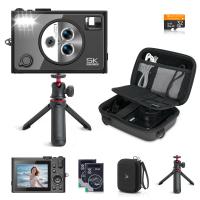
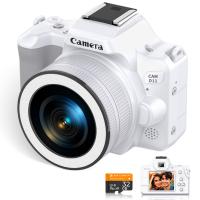
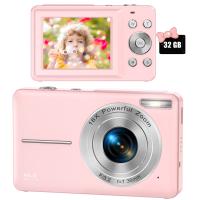
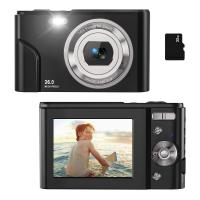
What Is Ultra Compact Digital Camera?
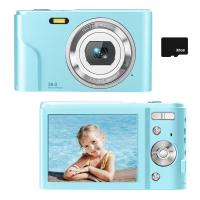
Ultra-compact digital cameras are a category of photographic devices designed for users seeking portability, simplicity, and convenience without sacrificing essential photographic capabilities. These sleek and pocket-sized cameras are tailored for capturing high-quality images while being easy to carry and use, making them an ideal choice for beginners, casual photographers, and on-the-go professionals. In this article, we’ll delve deep into what ultra-compact digital cameras are, their primary features, their benefits, and how they compare with similar devices like smartphones and bulkier cameras. Whether you’re exploring photography or are a seasoned shutterbug looking to streamline your gear, this guide will help you understand the advantages of owning an ultra-compact digital camera.
What Defines an Ultra-Compact Digital Camera?

Ultra-compact digital cameras stand out for their diminutive sizes, often measuring 4-5 inches in width and 2-3 inches in height, with weight averaging just a few ounces. They are small enough to fit into pockets or small bags comfortably, unlike professional-grade DSLRs or mirrorless cameras, which tend to be bulkier and require dedicated cases.
Despite their compactness, most ultra-compact models pack impressive features, such as image stabilization, digital zoom, autofocus, high-resolution sensors (ranging from 10MP to 20MP or more), and sometimes built-in wireless connectivity. These functionalities make them versatile enough for everyday photography, from casual snapshots to travel landscapes.
Who Are Ultra-Compact Cameras Designed For?
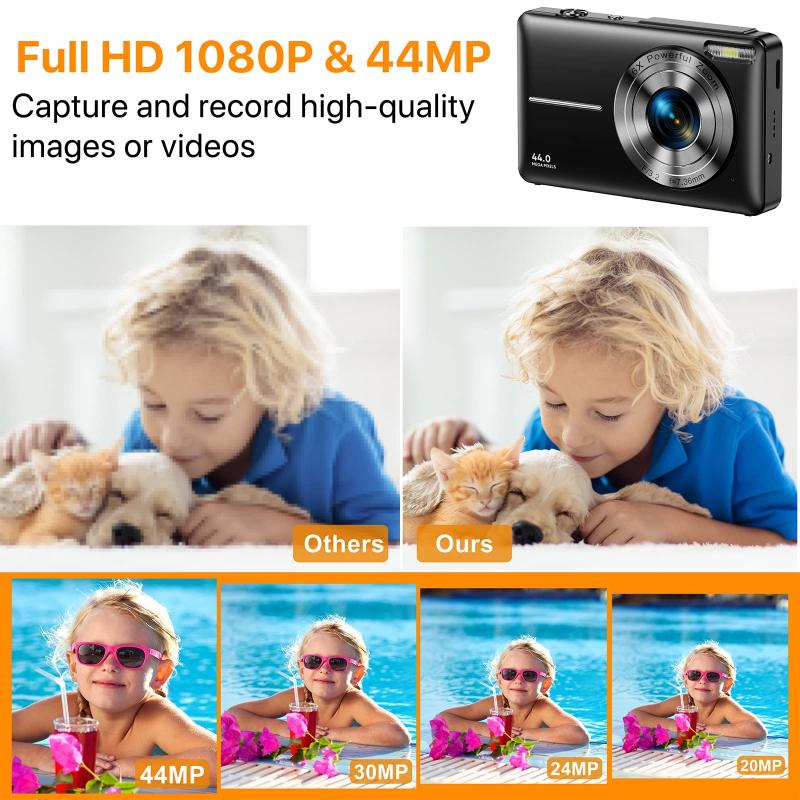
These devices serve a broad audience. Here's a breakdown of how different types of users benefit from them:
1. Casual Users: The primary group interested in ultra-compact cameras is everyday users who want better-quality images than smartphones offer but without the complexity of advanced devices.
2. Travel Enthusiasts: Travelers often opt for ultra-compact cameras due to their lightweight construction and capability to shoot high-definition images or videos easily.
3. Beginner Photographers: These cameras serve as a stepping stone for beginners who wish to improve their photography skills and experiment with different settings without investing in more advanced equipment.
4. Professionals on the Move: While pros typically rely on DSLRs or mirrorless setups, they might carry ultra-compact cameras as backup tools for casual captures or discrete shots.
Key Features of Ultra-Compact Digital Cameras

Let’s explore what makes ultra-compact digital cameras a noteworthy category:
1. Small Size & Portability: Ultra-compact cameras are typically no larger than a deck of cards, making them incredibly easy to carry. This portability is essential for users who want constant access to their camera without lugging around heavy gear.
2. Stylish Designs: These cameras are often as aesthetically pleasing as they are functional. They come in various vibrant colors, slim forms, and ergonomic builds, appealing to users who value visual design.
3. Impressive Image Quality: While not as robust as DSLRs, ultra-compact cameras outperform most smartphones in terms of image crispness, dynamic range, and low-light capabilities, thanks to larger sensors and dedicated lenses.
4. Automated Modes: Most ultra-compact cameras come with preset modes such as landscape, portrait, macro, and night mode, allowing users to capture quality shots simply by selecting the appropriate option.
5. Video Capabilities: Many models now record Full HD or even 4K video, adding versatility for vloggers or casual videographers.
6. Battery Life: Ultra-compact cameras typically offer extended battery life relative to smartphone cameras, making them more reliable for extended sessions.
7. Connectivity Features: Some models include Wi-Fi or Bluetooth functionality for easy photo transfer to mobile devices or cloud services.
8. Affordability: Prices range from basic models under $100 to high-end compact cameras around $600, making them accessible to varying budgets.
Why Not Just Use Your Smartphone?
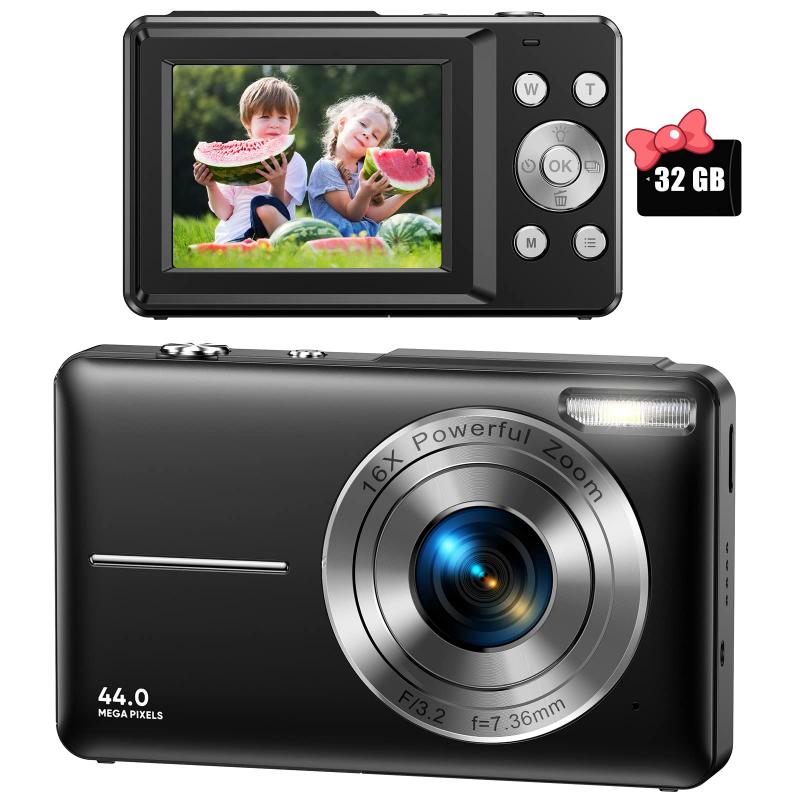
Common questions arise when considering whether an ultra-compact camera is worth investing in, especially when smartphones are already equipped with powerful cameras. Here’s why ultra-compact cameras may still be preferable:
1. Image Sensors: Ultra-compact cameras often have larger image sensors than smartphones. A larger sensor means better image quality, particularly in low-light conditions.
2. Optical Zoom vs. Digital Zoom: Compact cameras frequently offer optical zoom functionality. Optical zoom preserves image quality, while smartphone cameras (unless they use telephoto lenses) resort to digital zoom, which often results in pixelated images.
3. Dedicated Hardware: While modern phones have exceptional cameras, they are still multi-tasking devices. Cameras, on the other hand, are built exclusively for photography, meaning they offer superior controls, settings, and features tailored for this purpose.
4. Battery-Friendly: Since smartphones perform a range of tasks beyond photography, their batteries may drain faster. Ultra-compact cameras provide a dedicated battery source that lasts longer during a day of shooting.
5. Variety of Settings: Ultra-compact cameras often have more photography-oriented manual controls (such as ISO, shutter speed, and aperture), enabling users to tweak and perfect their images with greater precision.
Compact Camera vs. DSLR and Mirrorless: A Quick Comparison
Another point of comparison is the performance of ultra-compact cameras relative to DSLRs and mirrorless cameras. Here’s how they stack up:
1. Portability: The most significant advantage of ultra-compact cameras over DSLRs and mirrorless gear is their small size. While professionals value large cameras for advanced capabilities, ultra-compacts provide unmatched convenience for casual usage.
2. Cost: Ultra-compact devices are far more budget-friendly upfront. DSLRs and mirrorless cameras require a significant financial commitment, particularly for lenses and accessories.
3. Ease of Use: Compact cameras are generally more intuitive than DSLRs or mirrorless cameras, which demand a steep learning curve. Ultra-compacts are perfect for spontaneous shots without manual adjustments.
4. Functionality: DSLRs and mirrorless cameras can achieve unmatched image quality due to their robust feature sets, but the gap is narrowing. Ultra-compact cameras provide surprisingly competent results for most amateur and casual needs.
Selecting the Right Ultra-Compact Digital Camera
If you’re considering or shopping for one of these handy gadgets, here are some features to prioritize:
1. Resolution: Look for a model with at least 12MP resolution for sharp and detailed images.
2. Zoom Capability: Optical zoom is preferable to digital zoom.
3. Battery Life: Ensure a battery that can last for a full day of usage.
4. Connectivity: Features like Wi-Fi/Bluetooth allow easier connectivity to smartphones and sharing platforms.
5. Brand & Build Quality: Established brands like Canon, Sony, and Panasonic frequently deliver reliable ultra-compact cameras.
Future Trends in Ultra-Compact Digital Cameras
As technology continues to evolve, ultra-compact cameras will likely integrate enhanced features to stay competitive with smartphones and larger camera systems. Some possible developments include:
1. Improved Sensors: Expect higher-performing sensors for even better low-light performance.
2. AI-assisted Photography: Automated scene recognition and AI-powered enhancements could become more prevalent.
3. Augmented User Interaction: Voice commands or touch-sensitive controls may make ultra-compact cameras even more intuitive.
4. Eco-Friendly Materials: Sustainable designs and longer-lasting batteries could become standard.
Final Thoughts
Ultra-compact digital cameras combine simplicity, portability, and visual quality into one compact package, making them an excellent tool for beginner photographers, casual enthusiasts, and travelers. While smartphones continue to disrupt the photography market, the niche appeal of dedicated ultra-compact cameras lies in their ability to offer refined features, reliability, and better versatility. If you’re someone who values photography beyond the occasional snap, these cameras can be a worthwhile addition to your toolkit—delivering stunning image quality without the bulk of professional equipment. Whether capturing vacation memories, documenting everyday moments, or tackling creative projects, ultra-compact cameras stand poised to make your photography experience both enjoyable and robust.