Digital Cameras That Can See Infrared?
Infrared photography has long intrigued professionals and enthusiasts alike due to its ability to reveal a world that’s invisible to the naked eye. Whether you’re a nature photographer capturing unusual heat signatures, a researcher conducting scientific experiments, or simply a creative seeking to expand your artistic boundaries, digital cameras capable of seeing infrared light open up vast possibilities. In this article, we’ll explore how infrared photography works, the types of cameras available, and what you need to know before diving into this fascinating niche.
Understanding Infrared Photography
Infrared light exists outside the spectrum visible to humans, lying between visible light and microwave radiation. This electromagnetic wavelength ranges roughly from 700 nanometers (nm) to 1 millimeter. Infrared photography captures the reflection or emission of this light, often producing surreal imagery with unique contrasts, deep blacks, and glowing whites.
What sets infrared photography apart is its ability to reveal aspects that are otherwise imperceptible. For instance, plants reflect a significant amount of infrared light, making them appear luminous in infrared images. Similarly, infrared can expose hidden textures, patterns, or heat sources that regular cameras cannot detect.
Key Features of Infrared-Enabled Digital Cameras
When shopping for or converting a digital camera to shoot infrared, several features are worth considering:
1. Infrared Sensitivity: Most conventional cameras come equipped with an IR-blocking filter that prevents infrared light from reaching the sensor. For infrared photography, this filter must be removed or replaced with one that allows infrared light through.
2. Sensor Type: Infrared photography works best with digital cameras using CMOS sensors. These sensors have a higher sensitivity to infrared wavelengths, producing clearer and more vivid images.
3. Resolution and Lens Compatibility: High-resolution sensors offer better detail, which is particularly useful for distinguishing minute textures revealed in infrared images. Compatibility with infrared-specific lenses or filters should also be checked, as some lenses may cause hot spots when dealing with infrared light.
4. Live View: Infrared photography demands precise focus adjustments due to different wavelengths. Cameras with live view functionality can make this process smoother by allowing you to see immediate results on the screen.
5. Full Spectrum vs. Dedicated Infrared: Certain cameras are modified to capture the full spectrum of light (visible, UV, and infrared) instead of being restricted to infrared wavelengths. This versatility can be useful for photographers who want to experiment across various spectrums.
Cameras That Natively Support Infrared or Can Be Modified
While most cameras aren’t designed specifically for infrared photography, several models stand out either due to their infrared capabilities or ease of conversion:
1. Converted DSLRs and Mirrorless Cameras
Major brands like Canon, Nikon, Sony, and Fujifilm have popular DSLR and mirrorless models that can be professionally converted to infrared cameras. Companies specializing in camera modifications, such as LifePixel or Kolari Vision, offer conversion services where they replace the internal IR-blocking filter with an IR-pass filter.
For example:
Canon EOS 5D Mark III: This full-frame sensor camera provides superb image quality post-conversion and works exceptionally well for infrared photography.
Sony Alpha a7 Series: Known for their dynamic range and sharpness, the Sony Alpha cameras are often converted for both full-spectrum imaging and infrared-specific setups.
2. Specialty Infrared Cameras
Some cameras are built with infrared sensitivity in mind for scientific or industrial use:
FLIR Infrared Cameras: FLIR produces thermal imaging cameras that capture infrared heat signatures. These are distinct from conventional infrared cameras as they use thermal imaging technology rather than optical sensors.
Ricoh G700SE: This rugged model provides native infrared functionality and is commonly used for surveillance or law enforcement purposes.
3. Full-Spectrum Cameras
Full-spectrum cameras, such as the Nikon D810 or Sony RX1R, can capture standard images while supporting external IR-pass filters for infrared photography. This makes them appealing to users who want versatility without committing to a single use-case.
Infrared Filters and Accessories
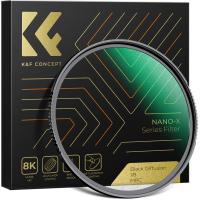
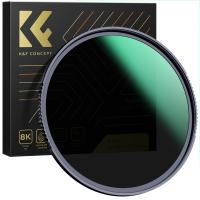
If a full camera conversion seems expensive or daunting, another option includes using external infrared filters. These attach to the lens and selectively block visible light while allowing infrared light to pass through. Popular IR filters include the Hoya R72 or the Kolari IR Chrome filter, which mimic infrared photography effects without modifying the camera.
While filters are a cost-effective way to experiment with IR photography, they come with some trade-offs:
1. Long exposure times are often required as the infrared light that reaches the sensor is reduced.
2. Filters must be selected carefully, as their performance varies depending on the wavelengths they block and pass.
Practical Applications of Infrared Photography
Infrared photography isn’t just a creative art form; it has practical implications across a variety of industries:
1. Scientific Research
Infrared imaging is widely used to study plant health, environmental conditions, and thermal mapping. Agricultural scientists can use normalized difference vegetation index (NDVI) calculations to measure crop health by analyzing infrared reflections. Meteorologists and climatologists also employ infrared sensors to create weather models.
2. Surveillance and Security
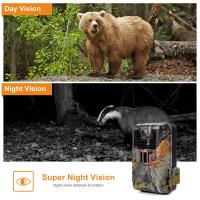
Infrared cameras are indispensable in locations with low-light conditions. Law enforcement, the military, and security professionals often use them for night operations and surveillance purposes.
3. Medical and Industrial Applications
Thermography cameras (a type of infrared imaging tool) are used to diagnose abnormalities like inflammation and heat retention in medical contexts. Similarly, industrial workers rely on infrared imaging to detect overheating machinery and identify energy leaks.
4. Creative and Artistic Expression
Many photographers turn to infrared for artistic storytelling. Landscapes, portraits, and abstract textures take on an ethereal quality under infrared light, offering fresh perspectives that can elevate creative portfolios.
Challenges and Considerations
Infrared photography requires a learning curve, and some challenges are unique to this field. Here are a few factors to keep in mind:
1. Focusing Issues: Infrared wavelengths focus differently than visible light, meaning your images may appear blurry unless you compensate for these shifts either through manual focus adjustments or IR-sensitive lenses.
2. Color Reproduction: Infrared photography often results in surreal tones that need significant post-processing to look appealing. Many photographers use Adobe Lightroom or Photoshop to adjust white balance and enhance the visuals.
3. Cost of Conversion: Modifying a camera for infrared can be pricey, often costing between $200 and $600 depending on the type of conversion and vendor. Make sure to weigh alternatives like filters before committing.
4. Infrared Hot Spots: Certain lenses produce slight circular "hot spots" in images, caused by infrared light scattering within the lens assembly. This issue can be mitigated by researching IR-friendly lenses before purchase.
Tips to Get Started
If you’re eager to try infrared photography, here are some pointers to ensure a smooth experience:
1. Test with Filters Before Converting Your Camera: Filters provide an inexpensive way to try infrared without modifying your camera permanently. This lets you decide if you enjoy the medium.
2. Shoot Outdoors in Sunlight: Infrared photography works best under sunny conditions because the sun provides more infrared radiation compared to artificial light.
3. Experiment with Different Styles: Infrared photography thrives in niches like ethereal landscapes, eerie portraits, and detailed textures. Don't limit yourself to one approach—explore multiple creative possibilities.
4. Learn Post-Processing Techniques: Most infrared images require color channel swapping and white balance adjustment during editing. Enhance your skills in editing software to bring out the best results.
Infrared photography offers a new way to see the world, providing visual insights that transcend the limits of human perception. With infrared-capable digital cameras, whether converted or built specifically for this purpose, photographers can explore everything from creative landscapes to industry-specific applications. While there are challenges like focusing shifts, processing requirements, and conversion costs, the rewards of unveiling a hidden world make the journey worthwhile. If you're ready to explore surreal visuals and practical solutions, infrared-capable cameras are a gateway into this fascinating realm. Whether you're looking to invest in a converted DSLR, a full-spectrum camera, or simply experiment with filters, the choice ultimately depends on your needs and budget. Dive in, let your creativity spark, and prepare to view photography through a completely new lens.