How To Store Camera Lenses Without A Case?
Proper storage and maintenance of camera lenses are vital for preserving their performance and extending their lifespan. While storing camera lenses without a case isn't ideal and exposes them to potential risks, it is occasionally necessary due to space constraints, immediate access needs, or other reasons. If you're in a situation where cases are unavailable or inconvenient, it’s essential to follow best practices to keep your lenses protected and functional. In this article, we will explore how to safely store camera lenses without a case and address common concerns surrounding lens care.
Risks Associated with Storing Lenses Without a Case
Before we dive into storage techniques, it's worth noting the potential risks of not using a protective case:
Dust and debris: Lenses are prone to collecting dust, dirt, and other particulates that can damage delicate optical elements.
Scratches: Without a protective layer, the lens glass and barrel may be scratched by nearby objects or surfaces.
Humidity: Moist environments can lead to mold or fungus growth inside the lens over time.
Impact damage: Lenses stored without a case are at a higher risk of physical damage if dropped or knocked against other items.
While these risks are significant, with proper handling and precautions, you can mitigate these challenges. Let’s look at practical steps for storing camera lenses without a case effectively.
1. Clean the Lens Before Storage
Before storing your camera lens, ensure it is clean. This minimizes the risk of dust or dirt scratching the optical components or causing long-term damage.
Use a lens blower: Blow away loose particles like dust or sand without touching the lens directly. Avoid using canned air, as it may leave residue.
Lens cleaning cloth: Use a microfiber cloth to gently clean the glass elements. Avoid harsh fabrics that could scratch the surface.
Lens cleaning solution: If necessary, apply a small amount of lens cleaning solution to remove fingerprints or smudges. Ensure the lens is completely dry before storage.
A clean lens starts you off on the right foot, protecting it during periods of inactivity.
2. Wrap the Lens in a Soft, Protective Material
If you don't have a case readily available, wrapping the lens in protective material can provide insulation against damage. Common options include:
Microfiber cloths: Use a thick microfiber cloth to wrap the lens. These cloths are gentle on the lens glass and prevent scratches.
Towels: Soft hand towels can work well for temporary storage. Choose lint-free towels to avoid particles sticking to the lens.
Bubble wrap: For long-term storage, bubble wrap provides a protective cushion, particularly for lenses being stored alongside other items.
Ensure the lens is wrapped securely but not so tightly that the wrapping material scratches or compresses sensitive parts of the lens.
3. Use a Sealable Container
To prevent dust and moisture from getting to the lens, place it inside a clean sealable container after wrapping it. Suitable types include:
Plastic bins: Opt for a small plastic container with a lid. Line it with soft material like foam sheets or cotton before placing the lens inside.
Tupperware: Household Tupperware containers also work well for short-term storage, as their lids seal tightly against environmental factors.
Drawstring bags: Soft cloth bags can serve as another option. Though they won’t offer complete environmental sealing, they provide a layer of protection against scratches and dust.
Make sure the container is dry, clean, and free of contaminants before placing your lens inside.
4. Avoid Direct Contact with Hard Surfaces
When storing your lens without a case, avoid placing it directly on hard surfaces, which could lead to scratches or wear. If you don't have a protective container or wrapping available, place the lens on a soft surface instead:
- Use a padded tabletop or desk.
- Lay down foam or soft material (e.g., a yoga mat, soft cushion, or folded blanket) as a base.
- Ensure your chosen surface is free of dust, dirt, and sharp objects.
Maintaining a buffer between the lens and hard surfaces reduces the likelihood of damage.
5. Control the Environment
Environmental factors such as humidity, temperature, and light exposure can have a profound impact on lenses. To protect the lens, follow these guidelines:
Choose a dry location: Avoid storing your lens in damp areas prone to moisture, such as basements or bathrooms. If you live in a humid region, consider using silica gel packets to absorb moisture.
Maintain a consistent temperature: Store your lens in a location with stable temperatures, avoiding extreme heat or cold, which can damage internal components or coatings.
Limit exposure to direct sunlight: Direct sunlight can degrade the lens coating over time, so opt for shaded storage areas.
For long-term storage, consider investing in a dehumidifying cabinet that offers temperature and humidity control.
6. Avoid Stacking Lenses
If you own multiple lenses, resist the temptation to stack them on top of each other without proper dividers or cushioning in between. Stacked lenses are vulnerable to scratches and impact damage. Instead:
- Place lenses side by side, ensuring there’s sufficient spacing to prevent contact.
- Use individual wrapping to keep each lens isolated.
- If in a shared box or container, insert foam dividers or cardboard partitions to separate the lenses.
7. Use a Temporary Storage Bag (if possible)
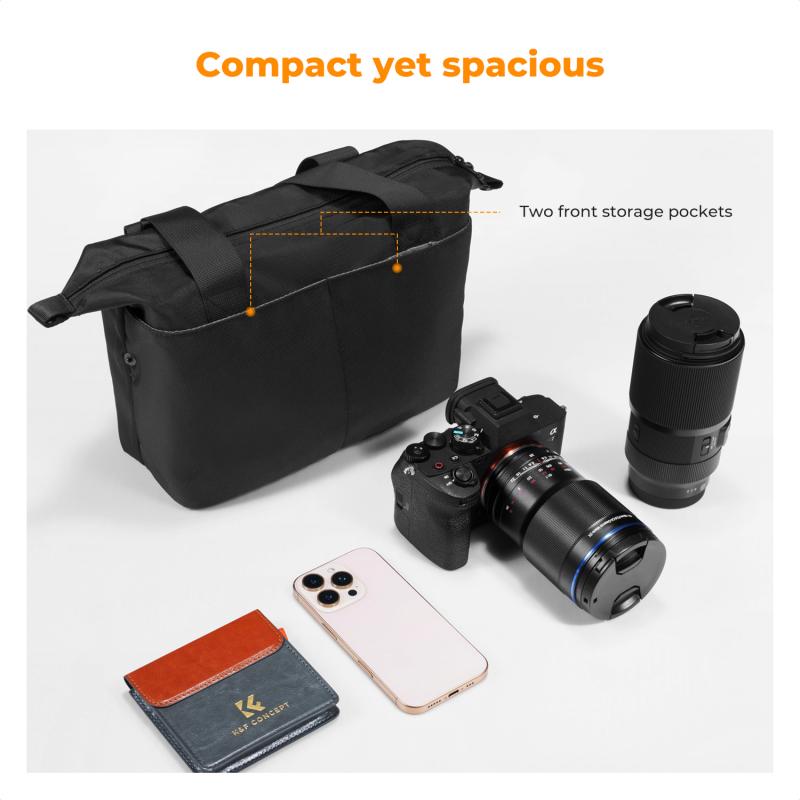
While you may not have a structured lens case, generic padded camera bags or storage totes are better options than unprotected storage. These bags can accommodate lenses alongside other minimal gear while offering some cushioning. If the bag doesn’t have individual compartments for lenses, pad them with microfiber cloths or bubble wrap.
8. Regularly Inspect the Lens
Lenses stored without a case should be checked regularly to ensure they remain clean and functional. Signs of damage or deterioration could occur over time, such as:
- Fogging or mold: Common in humid environments, inspect lenses for any signs of mildew or fungal growth inside the glass.
- Scratches: Regular handling may inadvertently cause wear and tear.
- Dust buildup: Even wrapped lenses can attract some dust if not inspected periodically.
Cleaning and inspecting the lens every couple of weeks will help you identify any issues early and take corrective measures.
9. Consider the Long-Term Risks
While storing your camera lenses without a case temporarily may not cause immediate harm, it's not a sustainable solution. Invest in proper lens cases or shelves designed for camera storage to ensure your lenses remain protected in the future. Your lens is a delicate piece of equipment, and maintenance should always remain a priority.
Conclusion
Storing camera lenses without a case is not the recommended practice, but practical solutions exist for situations where cases are unavailable. By cleaning the lens, wrapping it in soft protective materials, using sealable containers, and controlling the environment, you can reduce the risks of damage or degradation. Periodic maintenance and inspections are critical to address issues like dust buildup or mold formation.
While these measures provide some short-term protection, investing in proper lens cases or storage systems should be your ultimate goal to ensure the longevity of your equipment. Camera lenses are valuable investments, and safeguarding them properly ensures consistent performance and preserves their resale value in the future.