What Do Hidden Security Cameras Look Like?
Understanding Hidden Security Cameras: Designs and Applications
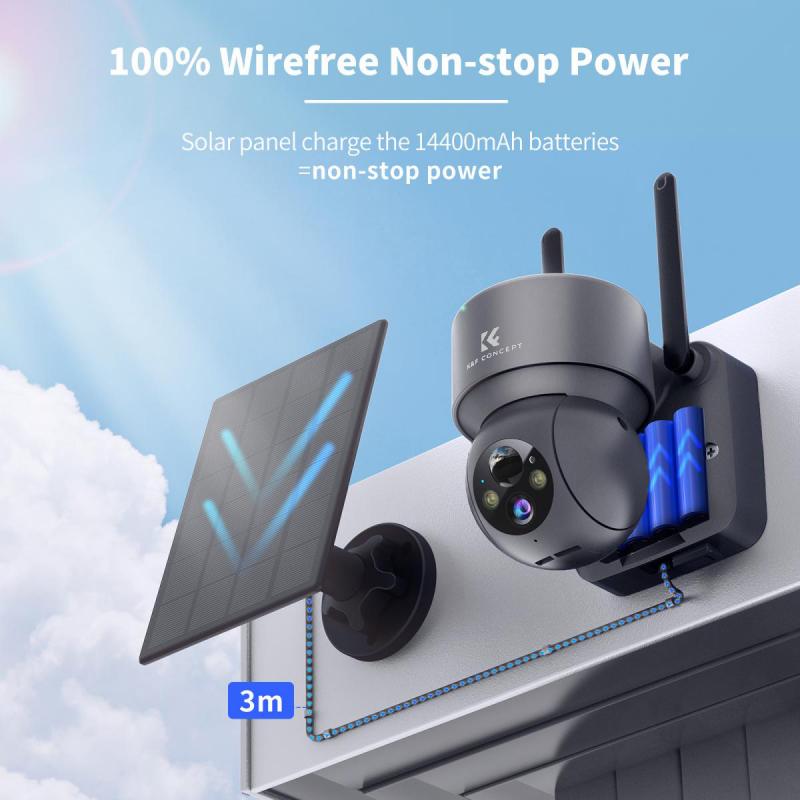
As security concerns continue to evolve in both personal and professional settings, hidden security cameras have become increasingly popular. These discreet devices are designed to blend seamlessly into their surroundings, offering an unobtrusive way to monitor spaces and ensure safety without being detected. Hidden cameras come in a variety of shapes, sizes, and designs, catering to diverse security needs and scenarios.
This article seeks to answer a common question: What do hidden security cameras look like? By unpacking the styles, features, and practical uses of disguised cameras, we’ll also explore some key considerations for choosing the right device for your needs.
The Appearance of Hidden Security Cameras
Hidden security cameras are tailored to avoid detection and often mimic everyday objects. Their designs vary widely depending on their intended environment, purpose, and specific functions. Here are some of the most common forms:
1. Ordinary Household Items
One of the most popular ways to disguise hidden cameras is by embedding them in common household items. This allows the devices to blend into their surroundings without arousing suspicion. Examples include:
Clock Cameras: Many hidden cameras are integrated into digital alarm clocks, wall clocks, or desktop clocks. These cameras can capture footage from inconspicuous positions as clocks don’t usually attract attention.
Smoke Detector Cameras: Designed to mimic smoke alarms, these cameras are often mounted on ceilings for optimal surveillance coverage.
Phone Chargers and Power Banks: Everyday charging devices can house tiny cameras, making them a popular choice for desk or counter surveillance.
2. Office Supplies and Decorations
Hidden cameras in office settings or public spaces often take the form of items that would naturally appear in those environments. Examples include:
Pen Cameras: Sleek and portable, these cameras are embedded in pens and can be carried around or placed on desks for recording.
Picture Frames or Art: Cameras hidden in wall-mounted frames and decorations provide an unobstructed view of the surroundings while remaining unnoticed.
Books and File Holders: These disguises work well in libraries, home offices, or commercial workspaces.
3. Wearable Cameras
Hidden cameras can also be embedded in wearable accessories. Because these items are often used on-the-go, wearable cameras are ideal for mobile surveillance. Examples include:
Eyeglasses Cameras: Integrated into the frame of prescription glasses or sunglasses, these cameras allow for point-of-view recording in real time.
Watches and Bracelets: These devices can house tiny lenses for discreet recording.
Clothing Accessories: Cameras built into ties, buttons, or lapels offer covert functionality for both personal and professional use.
4. Outdoor & Home Surveillance
For outdoor areas, hidden cameras might be camouflaged to resemble garden objects or parts of your house exterior, such as:
Birdhouse Cameras: These cameras can be disguised as functional birdhouses or feeders, offering surveillance coverage for gardens and backyards.
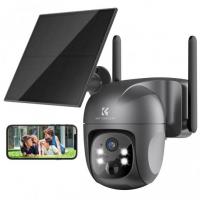
Lighting Fixtures: Outdoor lights, such as floodlights or motion-sensor lights, often house small security cameras for unobtrusive monitoring.
Mailbox Cameras: Strategically placed within mailboxes, these cameras can track visitors subtly.
5. Miniature Cameras
Some hidden cameras are not disguised as everyday objects but are small enough to go unnoticed when placed strategically. These miniature cameras may be installed in corners, ceilings, or furniture gaps. Key characteristics include:
- Tiny dimensions, often no larger than a coin.
- Flexible mounting options that allow placement in various angles and positions.
- Wireless features to minimize visible wiring.
How Hidden Cameras Operate
Hidden cameras may use advanced technology to maximize functionality in covert situations. Here are some of the features to look for:
*High-Definition Recording*
Regardless of their size, hidden cameras often provide decent-quality video recording. Many are capable of 1080p HD or even higher resolutions, allowing you to capture clear images and videos.
*Night Vision*
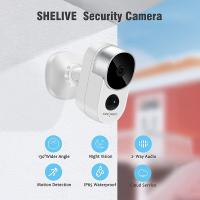
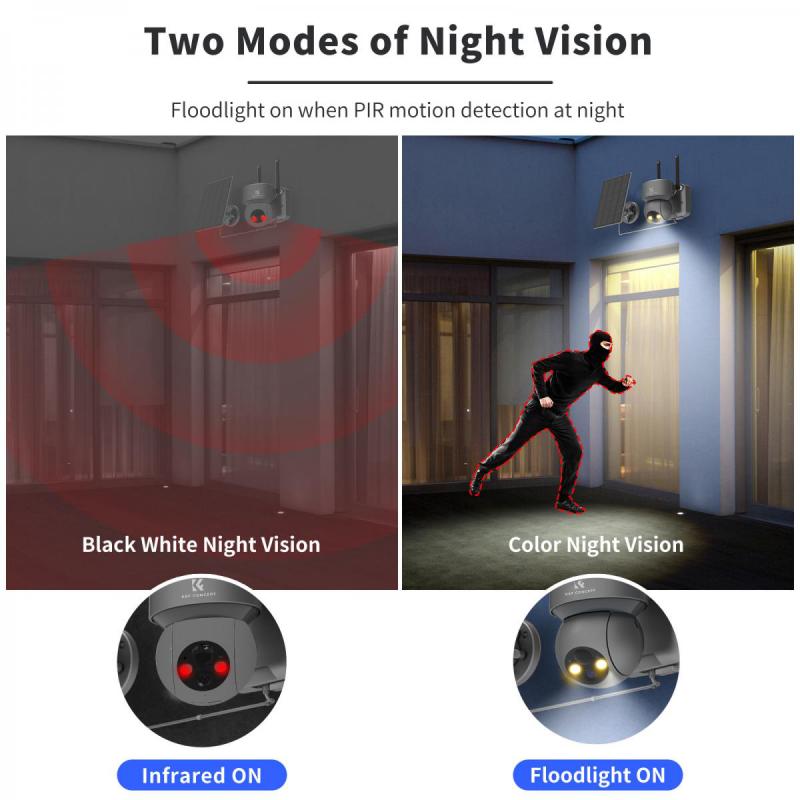
For monitoring spaces during nighttime or in dimly lit areas, many hidden cameras come equipped with infrared LEDs or low-light sensors.
*Motion Detection*
Motion-triggered cameras are another popular option. These devices only start recording when they detect movement, saving storage space and battery life.
*Wireless Connectivity*
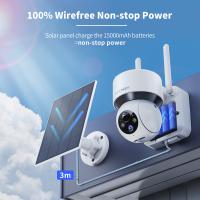
Wi-Fi-enabled cameras allow users to stream footage live or store it securely in the cloud. This feature ensures ease of access for remote monitoring, whether from another room or on-the-go.
*Battery-Powered vs. Wired Cameras*
Battery-operated cameras offer flexibility in terms of placement as they don’t rely on electrical connections. Wired cameras, however, are generally more stable since they draw power continuously and don’t need frequent recharging.
Advantages and Limitations of Hidden Cameras
While hidden security cameras offer many benefits, they have certain drawbacks that are worth considering. Here’s a breakdown:
Advantages:
1. Discreet Monitoring: Hidden cameras are perfect for scenarios where awareness of monitoring might alter behavior, such as in workplaces or child care settings.
2. Easy Placement: Their disguised designs enable flexible placement in virtually any space without disrupting the aesthetics or functionality of the environment.
3. Deterrence: Even though their presence is unknown, they can serve as critical evidence to counter theft, vandalism, or unsolicited activity.
Limitations:
1. Legal and Ethical Challenges: Surveillance laws vary by country or state, and recording someone without their knowledge can be illegal under certain circumstances. Hidden cameras should only be used with proper consent where required.
2. Limited Technology in Smaller Models: Compact designs, while useful for concealment, often sacrifice some advanced features like extended battery life or broader viewing angles.
3. Potential for Malfunction: Some hidden cameras, especially lower-cost ones, may have less durability compared to conventional security cameras.
Practical Tips for Choosing Hidden Security Cameras
Selecting the right hidden camera depends on your unique needs and the specific surveillance context. Here are some tips:
1. Define Your Goals:
- If the priority is to monitor a specific area covertly, choose a camera embedded in a static item like a clock or smoke detector.
- For portable applications, opt for wearable cameras such as pens or glasses.
2. Check Video Quality:
- Ensure that the camera offers at least 720p or 1080p resolution for clear footage. Poor video quality can defeat the purpose of surveillance.
3. Consider Audio Recording:
- Some hidden cameras come with built-in microphones to capture audio along with video. However, verify legal regulations for using audio recording devices.
4. Assess Storage Options:
- Look for cloud-based storage or cameras with high-capacity SD cards. This also ensures easy retrieval of footage when needed.
5. Power Source:
- For short-term use, battery-powered cameras might suffice. For long-term applications, consider wired options for sustained power.
6. Legal Compliance:
- Familiarize yourself with local laws. Ensure that using a hidden security camera aligns with privacy guidelines.
When you ask, “What do hidden security cameras look like?” the answer reveals not just their appearances but the thoughtful application of disguises and miniaturization to conceal their presence effectively. These cameras can be cleverly embedded into everyday objects, wearable accessories, or outdoor decorations, making them nearly impossible to detect.
While hidden security cameras are broadly useful for discreet surveillance tasks, they must be used responsibly and within legal boundaries to protect privacy rights. Whether you’re considering them for home security, workplace monitoring, or outdoor surveillance, understanding their diverse forms and features will help you make the best choice for your needs.
Hidden security cameras offer peace of mind and a sense of control over uncertain environments. Harnessing their technology efficiently and ethically can equip users to handle modern security challenges with confidence.