Which Security Cameras Are Better Wired Or Wireless?
When it comes to selecting the right security camera for your home or business, one of the most fundamental decisions you'll face is whether to go with a wired or wireless system. Each option has its unique strengths and weaknesses, and the ultimate choice depends on factors such as your property layout, specific security needs, and your personal preferences.
Both wired and wireless security systems have their loyal advocates, and understandably so — the technological advances in recent years have brought significant improvements to both. However, one solution is not inherently better than the other; your decision should be tailored to meet your specific requirements. In this article, we'll delve deeply into the factors you should consider to help you determine whether wired or wireless security cameras are the better choice for you.
Wired Security Cameras: Reliability and Stability
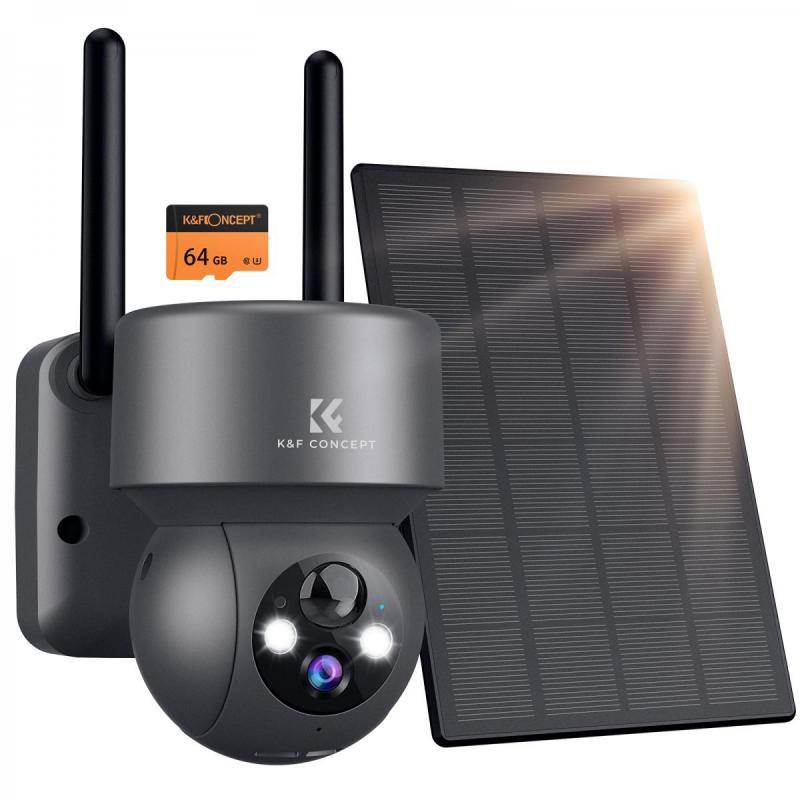
Wired security cameras have been around for decades and remain a popular choice for homeowners and businesses alike. As the name suggests, these cameras use cables to connect to a central recording device (often a DVR or NVR) and to the power supply.
Benefits of Wired Security Cameras:
1. Uninterrupted Signal Transmission:
Wired systems are known for their reliable video and audio signal transmission. You don’t have to worry about interference from other devices or obstacles like walls or large furniture. This makes wired systems ideal for areas with high electronic traffic, where wireless signals might get disrupted.
2. No Battery Worries:
Since wired cameras derive their power directly from a dedicated physical connection, you don’t have to worry about recharging or replacing batteries.
3. Higher Resolution and Clarity:
In many cases, wired systems provide superior image quality, especially when using high-definition cameras that transmit large amounts of data. The direct cable connection accommodates higher resolutions without lag or data compression.
4. Enhanced Security:
Wired systems are virtually immune to hacking or cyberattacks since they do not use wireless signals that could be intercepted. This makes wired systems a strong choice for users concerned about digital security.
Drawbacks of Wired Security Cameras:
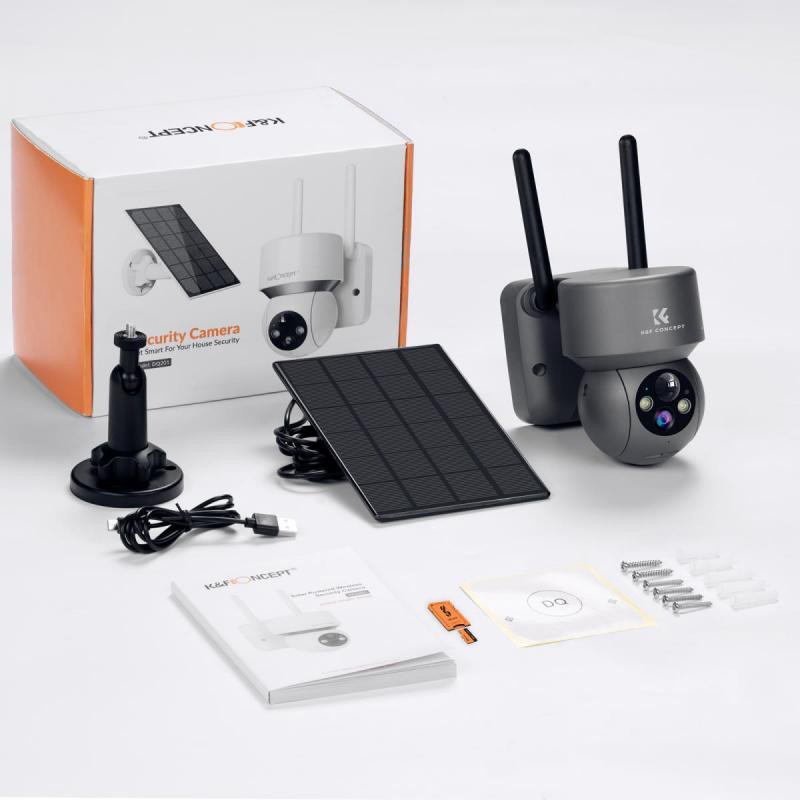
1. Installation Complexity:
Installing a wired system can be challenging, especially if you’re not experienced with running cables through walls, ceilings, or outdoor areas. If you hire a professional, installation costs can add up quickly.
2. Inflexibility:
Once installed, wired cameras aren’t easy to relocate. If you remodel your home, rearrange outdoor areas, or want a different angle, you'll likely need to rewire the system.
3. Clutter:
The cables required for a wired system can create a cluttered look, particularly if the installation doesn’t allow for hiding them neatly.
Wireless Security Cameras: Flexibility and Convenience
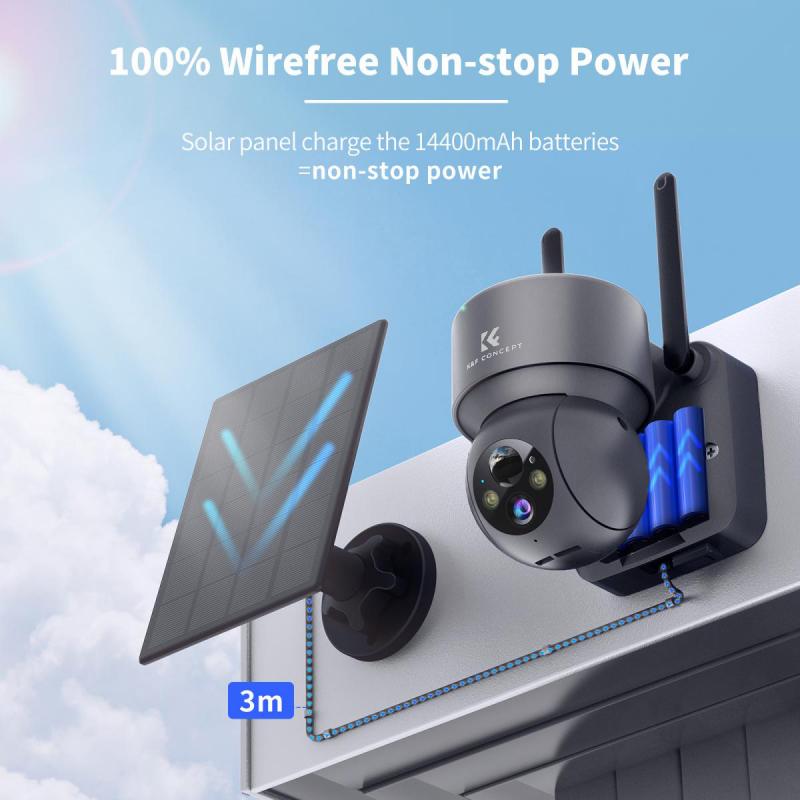
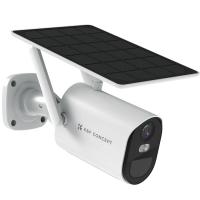
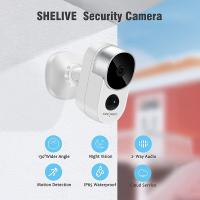
Wireless security cameras have gained immense popularity, especially in recent years. Flexibility, simplicity, and sleek designs are some of their standout traits, making them an appealing option for homeowners and renters alike.
Benefits of Wireless Security Cameras:
1. Easy Installation:
One of the major appeals of wireless cameras is their ease of installation. Unlike wired systems, there’s no need to drill holes or run extensive cables across your property. Many wireless systems can be set up in minutes, which also makes them renter-friendly.
2. Flexibility and Mobility:
Since wireless cameras don’t rely on physical tethers, they’re much easier to move or reposition as your security needs evolve. They’re particularly ideal for situations where you may not have a permanent layout, such as apartments or temporary setups.
3. Remote Accessibility:
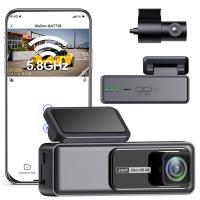
Wireless cameras often integrate with mobile apps, allowing you to monitor and control the system remotely. As long as the cameras are connected to Wi-Fi, you can access the footage in real time, even if you’re away from home.
4. Discreet Design:
Wireless cameras often boast a sleek and compact design, allowing them to blend seamlessly into various environments. This can be an advantage if you want a system that doesn’t draw attention.
Drawbacks of Wireless Security Cameras:
1. Signal Interference:
Wireless systems depend on Wi-Fi, which makes them prone to signal interference. Walls, appliances, wireless routers, and even neighboring Wi-Fi networks can sometimes weaken the connection.
2. Limited Battery Life:
Many wireless cameras operate on batteries, which means you’ll need to recharge or replace them periodically. Forgetting to do so could result in your security cameras shutting off unexpectedly.
3. Potential for Hacking:
Since they rely on Wi-Fi, wireless systems are susceptible to hacking if not secured properly. Investing in encrypted signal technologies and strong passwords can help mitigate this risk.
4. Dependent on Internet Speed:
Wireless cameras require a stable and sufficient internet connection to transmit data efficiently. Slow internet speed could lead to lagging footage or diminished image resolution.
5. May Incur Subscription Costs:
Many wireless systems require subscriptions to cloud storage services for saving and accessing video recordings. This ongoing cost can add to the total expense over time.
When to Choose Wired Security Cameras:
Wired security cameras might be a better choice if:
- You need a reliable and consistent signal for surveillance in areas with potential electronic interference.
- You’re setting up the system in a property you own and plan to stay in for the foreseeable future.
- You prioritize high image resolution and clarity without worrying about transmission lag.
- Your property has a large area that needs extensive coverage, better suited for a wired network.
- Security concerns like hacking are a prominent consideration, and you prefer a system that is harder to infiltrate.
When to Choose Wireless Security Cameras:
Wireless security cameras may be more suitable if:
- You rent your home or office space and want a system that’s easy to install, remove, and relocate.
- You need a quick and simple DIY setup with minimal hardware requirements.
- You value remote access and real-time monitoring of your property through mobile apps.
- A lack of visible wiring is important from an aesthetic or practical standpoint.
- High mobility and flexibility in camera placement are essential to your specific security needs.
Wired vs. Wireless: A Hybrid Approach
Sometimes, a hybrid solution that combines the best of both worlds may be the right choice. For instance, you could use wired cameras for areas where signal reliability is crucial (like around your front door or garage), and wireless cameras in less critical or more remote areas where running cables would be a challenge. Hybrid systems are becoming increasingly common as homeowners and businesses look for a comprehensive approach to their security needs.
Final Thoughts: Making the Right Choice
Choosing between wired and wireless security cameras boils down to balancing your priorities, the structure of your property, and your long-term plans for security. Wired cameras offer unparalleled stability, longevity, and performance, making them a solid option for those willing to invest in more complex installations. Conversely, wireless cameras win on convenience, accessibility, and adaptability, making them a go-to choice for temporary setups and users who value flexibility.
Regardless of your decision, it's crucial to select devices from reputed manufacturers, prioritize data security measures, and adhere to regular maintenance to ensure your security system operates optimally. A well-thought-out surveillance system provides peace of mind, allowing you to focus on other important aspects of your property and life.