How Much Is A Solar Panel?
The cost of solar panels is a topic of significant interest for many homeowners, businesses, and environmental enthusiasts. As the world increasingly shifts towards renewable energy sources, understanding the financial implications of installing solar panels becomes crucial. This article aims to provide a comprehensive overview of the factors influencing the cost of solar panels, the average prices, and the potential financial benefits of investing in solar energy.
Understanding the Cost Components of Solar Panels
The cost of solar panels is not a straightforward figure; it is influenced by several factors that can vary widely depending on the specific circumstances of the installation. Here are the primary components that contribute to the overall cost:
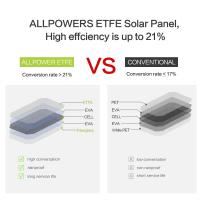
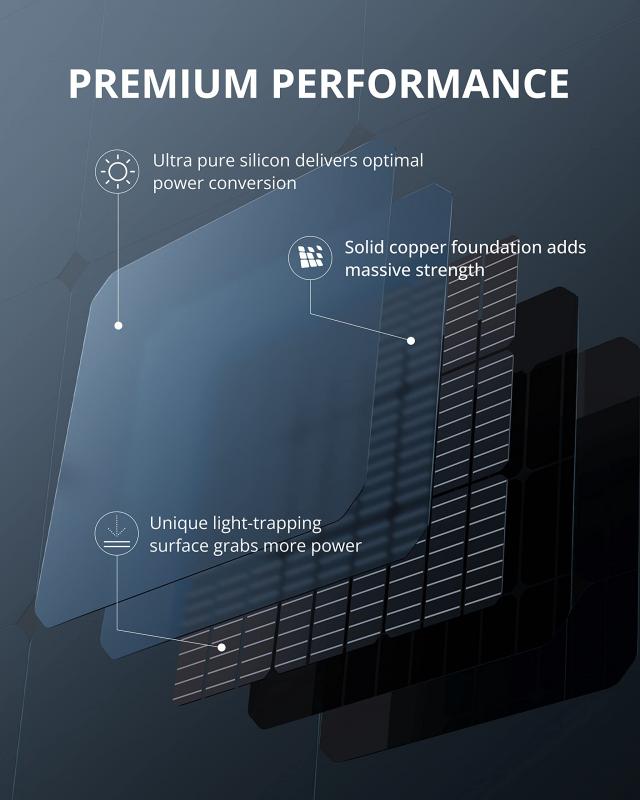
1. Solar Panel Type: There are different types of solar panels, including monocrystalline, polycrystalline, and thin-film panels. Monocrystalline panels are typically more efficient and expensive, while polycrystalline panels are less efficient but more affordable. Thin-film panels are generally the least efficient and least expensive.
2. System Size: The size of the solar panel system, measured in kilowatts (kW), directly impacts the cost. Larger systems generate more electricity but also require more panels and higher upfront costs.
3. Installation Costs: Labor and installation costs can vary based on the complexity of the installation, the location, and the installer’s rates. Roof-mounted systems may be more expensive to install than ground-mounted systems due to accessibility and structural considerations.
4. Inverter and Other Equipment: Solar panel systems require inverters to convert the direct current (DC) electricity generated by the panels into alternating current (AC) electricity used by most homes and businesses. The cost of inverters and other necessary equipment, such as mounting hardware and wiring, also contributes to the overall expense.
5. Permits and Inspections: Local regulations may require permits and inspections, which can add to the cost. These fees vary by location and can impact the total price of the installation.
6. Incentives and Rebates: Government incentives, tax credits, and rebates can significantly reduce the net cost of solar panel installations. These incentives vary by region and can change over time, so it’s essential to stay informed about available programs.
Average Cost of Solar Panels
As of 2023, the average cost of solar panels in the United States ranges from $2.50 to $3.50 per watt. This means that a typical residential solar panel system, which is usually around 6 kW, would cost between $15,000 and $21,000 before any incentives or rebates. Here’s a breakdown of the average costs for different system sizes:
- 3 kW System: $7,500 to $10,500
- 5 kW System: $12,500 to $17,500
- 6 kW System: $15,000 to $21,000
- 10 kW System: $25,000 to $35,000
These figures are before any financial incentives, which can significantly lower the net cost.
Financial Incentives and Savings
One of the most compelling reasons to invest in solar panels is the potential for long-term savings on electricity bills. Additionally, various financial incentives can make the initial investment more affordable:
1. Federal Tax Credit: In the United States, the federal government offers a solar Investment Tax Credit (ITC) that allows homeowners to deduct a significant percentage of the cost of installing a solar energy system from their federal taxes. As of 2023, the ITC is set at 26%, but it is scheduled to decrease in the coming years.
2. State and Local Incentives: Many states and local governments offer additional incentives, such as rebates, tax credits, and performance-based incentives. These programs vary widely, so it’s essential to research what’s available in your area.
3. Net Metering: Net metering programs allow solar panel owners to sell excess electricity back to the grid, effectively reducing their electricity bills. The specifics of net metering policies vary by state and utility company.
4. Solar Renewable Energy Certificates (SRECs): In some states, solar panel owners can earn SRECs for the electricity their systems produce. These certificates can be sold to utility companies, providing an additional revenue stream.
Long-Term Financial Benefits

While the upfront cost of solar panels can be substantial, the long-term financial benefits often outweigh the initial investment. Here are some of the key advantages:
1. Reduced Electricity Bills: Solar panels can significantly reduce or even eliminate electricity bills, depending on the size of the system and the amount of sunlight received. Over time, these savings can add up to thousands of dollars.
2. Increased Property Value: Homes with solar panel systems often have higher property values and sell faster than homes without them. Buyers are increasingly interested in energy-efficient homes with lower operating costs.
3. Energy Independence: Solar panels provide a degree of energy independence, reducing reliance on utility companies and protecting against rising electricity rates.
4. Environmental Impact: While not a direct financial benefit, the positive environmental impact of solar panels can be a significant motivator for many people. Reducing carbon emissions and reliance on fossil fuels contributes to a more sustainable future.
The cost of solar panels is influenced by various factors, including the type of panels, system size, installation costs, and available incentives. While the initial investment can be substantial, the long-term financial benefits, including reduced electricity bills, increased property value, and potential revenue from incentives, make solar panels a worthwhile consideration for many homeowners and businesses.
As the world continues to prioritize renewable energy, the cost of solar panels is expected to decrease, making them even more accessible. By understanding the factors that influence the cost and staying informed about available incentives, you can make an informed decision about whether solar panels are the right investment for you.