How Much Is Microphone?
When it comes to purchasing a microphone, the price can vary significantly based on several factors such as the type of microphone, its intended use, brand, and additional features. Understanding these factors can help you make an informed decision that aligns with your needs and budget. In this article, we will delve into the different types of microphones, their typical price ranges, and what you should consider when buying one.
Types of Microphones and Their Price Ranges
1. Dynamic Microphones
Dynamic microphones are known for their durability and versatility. They are commonly used in live performances and for general-purpose recording. These microphones do not require an external power source, making them convenient for various settings.
- Entry-Level: $20 - $50
- Mid-Range: $50 - $150
- High-End: $150 - $500
2. Condenser Microphones
Condenser microphones are highly sensitive and are often used in studio settings for vocals and acoustic instruments. They require an external power source, usually provided by phantom power from an audio interface or mixer.
- Entry-Level: $50 - $100
- Mid-Range: $100 - $300
- High-End: $300 - $1,000+
3. Ribbon Microphones
Ribbon microphones are prized for their warm and natural sound. They are often used in professional studio environments for recording vocals, strings, and brass instruments. These microphones are more delicate and require careful handling.
- Entry-Level: $200 - $400
- Mid-Range: $400 - $1,000
- High-End: $1,000 - $3,000+
4. USB Microphones
USB microphones are plug-and-play devices that connect directly to a computer via a USB port. They are popular among podcasters, streamers, and home studio enthusiasts due to their ease of use and affordability.
- Entry-Level: $30 - $70
- Mid-Range: $70 - $150
- High-End: $150 - $300
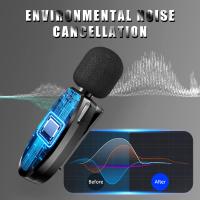
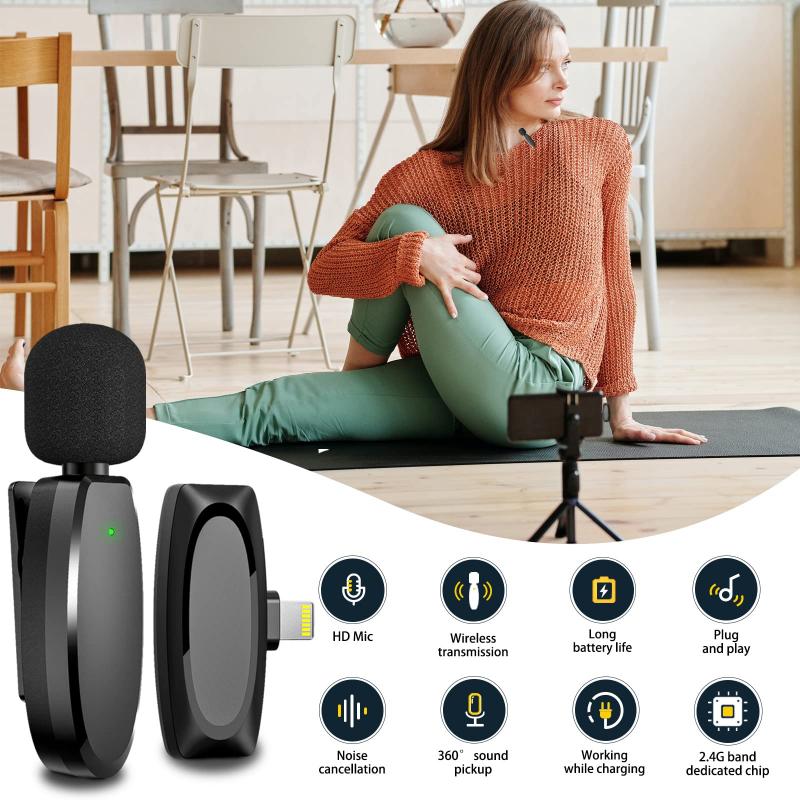
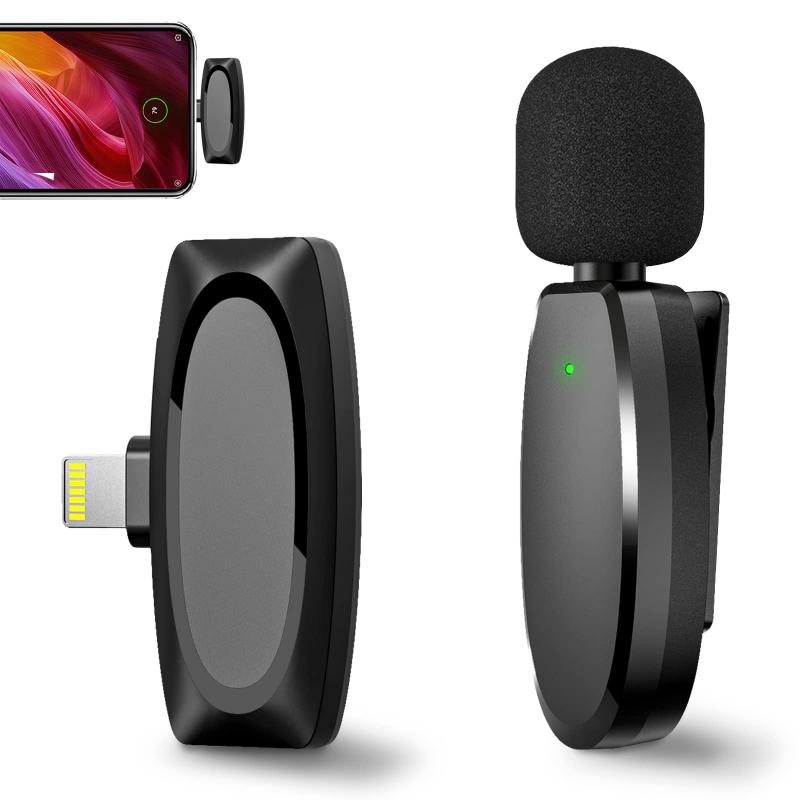
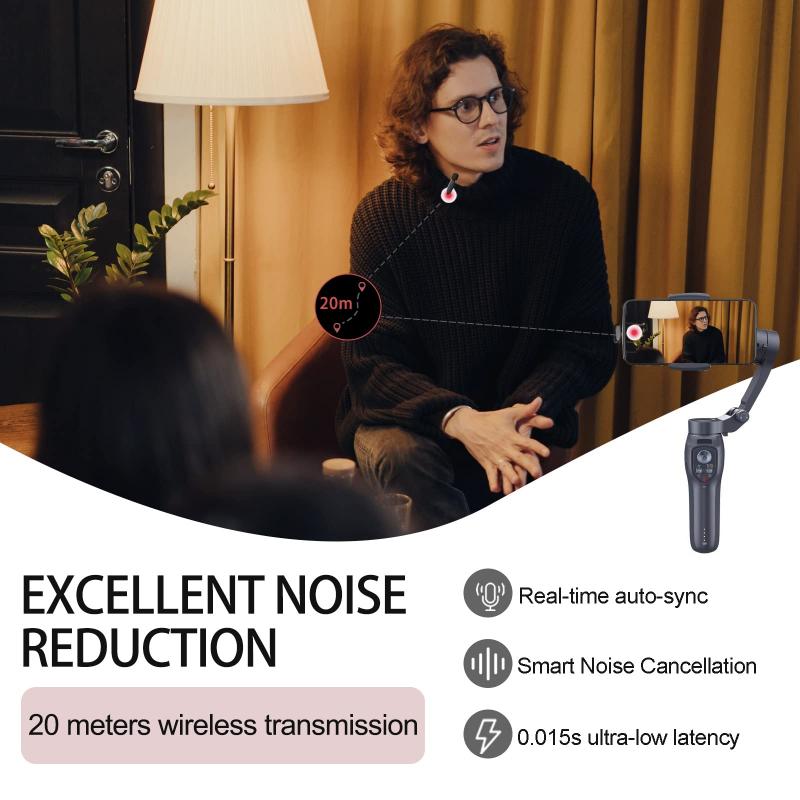
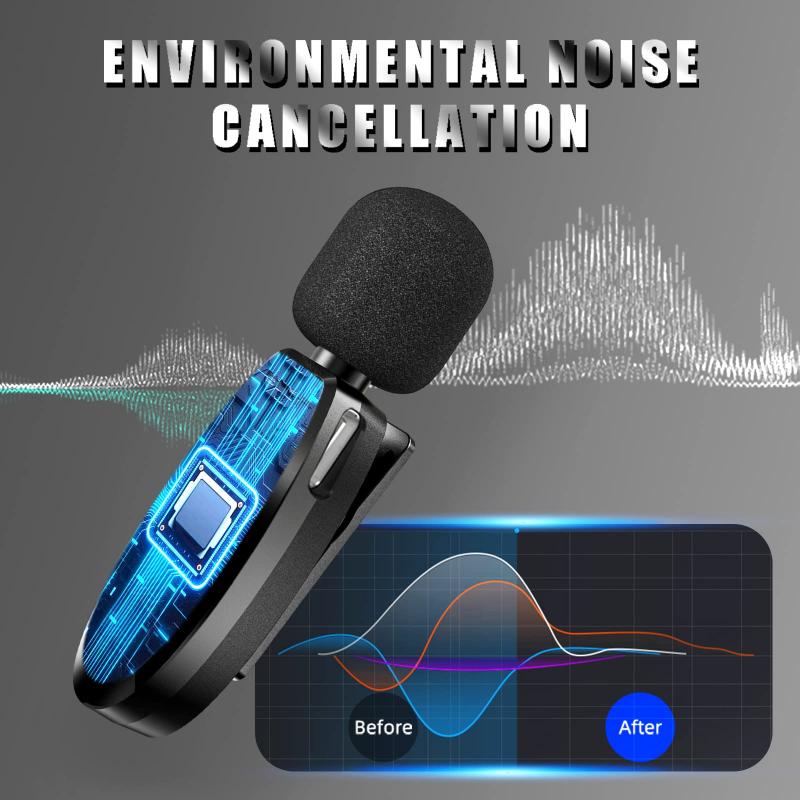
5. Lavalier Microphones
Lavalier microphones, also known as lapel mics, are small and clip onto clothing. They are commonly used in presentations, interviews, and broadcasting.
- Entry-Level: $20 - $50
- Mid-Range: $50 - $150
- High-End: $150 - $500
Factors to Consider When Buying a Microphone
1. Intended Use
The first step in choosing a microphone is to determine its intended use. Are you planning to use it for live performances, studio recording, podcasting, or video production? Each application may require a different type of microphone.
2. Budget
Your budget will play a significant role in your decision. While it's tempting to go for the cheapest option, investing in a higher-quality microphone can make a noticeable difference in sound quality and durability.
3. Compatibility
Ensure that the microphone you choose is compatible with your existing equipment. For example, if you are using an audio interface, make sure the microphone has the appropriate connectors (XLR, USB, etc.).
4. Frequency Response
The frequency response of a microphone indicates the range of frequencies it can capture. A flat frequency response is ideal for studio recording, while a tailored frequency response may be better for live performances.
5. Polar Pattern
The polar pattern of a microphone describes its sensitivity to sound from different directions. Common polar patterns include cardioid, omnidirectional, and bidirectional. Choose a polar pattern that suits your recording environment and needs.
6. Build Quality
The build quality of a microphone can affect its durability and performance. Look for microphones with robust construction, especially if you plan to use them in demanding environments.
Popular Microphone Brands
Several brands are well-known for producing high-quality microphones. Here are a few to consider:
- Shure: Known for their durable and reliable dynamic microphones, such as the Shure SM58.
- Audio-Technica: Offers a wide range of microphones, including the popular AT2020 condenser microphone.
- Rode: Known for their high-quality condenser and shotgun microphones, such as the Rode NT1-A.
- Sennheiser: Offers a variety of microphones for different applications, including the Sennheiser e835 dynamic microphone.
- Blue: Known for their USB microphones, such as the Blue Yeti, which is popular among podcasters and streamers.
Practical Tips for Buying a Microphone
1. Read Reviews
Before making a purchase, read reviews from other users to get an idea of the microphone's performance and reliability. Look for reviews from people who have similar needs and use cases.
2. Test Before You Buy
If possible, test the microphone in person before buying it. This will give you a better sense of its sound quality and how it handles different audio sources.
3. Consider Accessories
Don't forget to budget for accessories such as microphone stands, pop filters, shock mounts, and cables. These can enhance the performance and usability of your microphone.
4. Check Warranty and Support
Look for microphones that come with a warranty and good customer support. This can provide peace of mind and assistance if you encounter any issues with your microphone.
The price of a microphone can vary widely based on its type, features, and brand. By understanding the different types of microphones and considering factors such as intended use, budget, compatibility, frequency response, polar pattern, and build quality, you can make an informed decision that meets your needs. Whether you're a musician, podcaster, streamer, or presenter, there's a microphone out there that will help you achieve the best possible sound quality for your recordings and performances.