Can Cctv Camera Work Without Wifi?
Closed-Circuit Television (CCTV) cameras have become essential tools for maintaining security and monitoring activities, whether at home, in business premises, or public spaces. While most modern devices and technologies are built with some connectivity in mind, many users often wonder: Can a CCTV camera work without Wi-Fi? The short answer is yes, and in this article, we’ll delve deeply into the workings of CCTV cameras without Wi-Fi, the scenarios for their use, and the practical solutions for those seeking offline security setups.

CCTV Cameras and Wi-Fi: A Brief Overview
CCTV cameras traditionally do not require Wi-Fi to operate. While modern "smart" or "IP-based" cameras are often geared toward wireless connectivity and remote monitoring via internet-based platforms, there are traditional and hybrid models that function independently of any internet connection. Wi-Fi enhances their functionality by enabling features like live streaming, cloud storage, and smartphone notifications, but it is optional, not a necessity.
If you aim to deploy cameras in areas with no internet access, plenty of options exist to ensure you still have a reliable surveillance system.
How CCTV Cameras Work Without Wi-Fi
To understand how CCTV cameras can function offline, it’s essential to look at their fundamental working principles. Most CCTV systems record and store footage locally, making internet connectivity optional. Here’s how:
1. Local Storage via DVR/NVR:
Digital Video Recorders (DVRs) and Network Video Recorders (NVRs) are the most common tools for storing surveillance footage in CCTV setups. These devices connect to the cameras and save footage on hard drives or memory disks. Wi-Fi is irrelevant in this setup; all that is required is a physical connection (through cables or local area networks) between the cameras and the recording device.
2. Onboard Storage in Cameras:
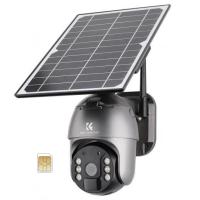
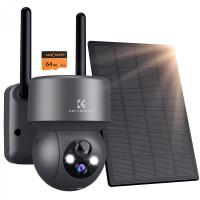
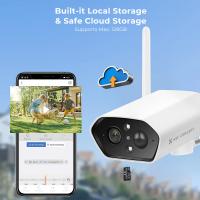
Some CCTV cameras come with built-in SD card slots for recording directly onto a memory card. These cameras do not rely on external storage solutions like cloud services or DVRs and can work entirely offline.
3. Power Requirements:
Whether online or offline, CCTV cameras need power to operate. With wired setups, power is usually supplied via direct electrical connections or Power over Ethernet (PoE). Wireless cameras often require batteries, some of which can work for an extended period without needing a recharge.
Overall, the entire system's self-contained design allows for uninterrupted recording, even without any kind of external network.
Scenarios Where a Wi-Fi-Free CCTV Camera Makes Sense
CCTV cameras functioning without Wi-Fi can be a practical choice for specific use cases:
1. Rural or Remote Areas:
Many locations lack internet connectivity but require surveillance systems to monitor assets such as farms, warehouses, or remote properties.
2. Temporary Installations:
For construction sites, outdoor events, or temporary venues, it’s impractical to set up Wi-Fi just for surveillance purposes. Standalone or wired cameras ensure security during these operations.
3. High-Security Environments:
In sensitive scenarios where Wi-Fi connectivity might pose vulnerabilities or breaches, wired or offline CCTV setups ensure that footage remains secure without being exposed online.
4. Cost-Effective Solutions:
For users on a budget, Wi-Fi-free cameras eliminate the costs associated with internet services, cloud storage, or sophisticated smart systems.
Types of CCTV Cameras That Work Without Wi-Fi
There are various types of offline CCTV cameras to suit different situations:
1. Analog CCTV Cameras:
These are traditional wired cameras that connect to DVRs for recordings. They often employ coaxial cables for transmitting video signals.
2. IP Cameras with Local Network Options:
While IP cameras are typically designed for network-based operations, some models can operate on a completely closed network or store data locally on SD cards.
3. Battery-Powered Standalone Cameras:
Ideal for short-term use, these cameras come with in-built recording options and don’t depend on a continuous power supply or internet access.
4. PoE Cameras:
These cameras receive both power and data through a single Ethernet cable, making them a perfect option for users avoiding Wi-Fi. They typically connect to NVRs for data storage.
Features You Can and Cannot Access Without Wi-Fi
If you choose to operate CCTV cameras without Wi-Fi, it’s essential to understand what functionalities you may miss and what you can still leverage:
Features Available Without Wi-Fi:
Local Recording: Footage will be securely stored in DVRs, NVRs, or SD cards.
24/7 Monitoring: The cameras can run continuously and capture all events as long as the power supply is stable.
Playback at the Source: Most systems allow footage playback directly from the storage device.
Features That Require Wi-Fi:
Remote Access: Watching live footage and managing the camera remotely via mobile apps or PCs typically requires internet access.
Cloud Storage: Uploading footage to cloud servers requires a network connection.
Smart Alerts: Notifications for motion detection or suspicious activity are reliant on internet-enabled systems.
While you may sacrifice some advanced features without Wi-Fi, the core security functionality of recording footage remains intact.
How to Set Up a Wi-Fi-Free Surveillance System
Setting up an offline CCTV system may seem complicated, but it’s relatively straightforward:
1. Choose the Right Camera:
Pick cameras suited to your specific requirement. Do you need wired analog cameras, PoE cameras, or standalone units?
2. Establish Power Connections:
Ensure the cameras get uninterrupted power through wiring or batteries.
3. Set Up Local Storage:
Install DVRs, NVRs, or SD cards to store the footage. You'll need to determine the storage capacity based on your recording requirements, such as the number of cameras and the intended retention duration.
4. Connect Cameras to Recorders (if applicable):
In a wired system, use coaxial or Ethernet cables to ensure seamless connectivity between the cameras and the storage unit.
5. Maintain Your System:
Regular checks for storage capacity, camera angles, and power sources help keep your system running effectively.
Advantages and Limitations of Wi-Fi-Free CCTV Systems
Benefits:
Improved Security: No Wi-Fi means reduced risk of hacking and remote breaches.
Reliability: Offline setups are less prone to the disruptions caused by network failures.
Cost-Effective: Fewer dependencies on internet infrastructure and associated costs.
Limitations:
Limited Accessibility: Cannot monitor feeds remotely.
Manual Maintenance: Checking footage and maintaining memory storage require hands-on involvement.
Reduced Flexibility: Adjusting functionality often requires physical onsite changes.
Common Misconceptions About CCTV and Wi-Fi
There’s a lot of misunderstanding regarding the role of Wi-Fi in modern CCTV setups. Let’s debunk a few:
1. Wi-Fi Is Mandatory for CCTV to Work: False. Many systems are completely independent of Wi-Fi, using wired connections or local storage.
2. Offline Systems Are Outdated: Not necessarily. Many cutting-edge cameras offer hybrid functionality, allowing offline recording while delivering high-quality footage.
3. Wireless and "Wi-Fi-Free" Are the Same: Wireless cameras still depend on Wi-Fi or similar networks, whereas fully offline setups do not rely on any form of connectivity.
Final Thoughts
CCTV cameras can reliably operate without Wi-Fi, making them suitable for a broad range of applications and environments. Whether you need security for a remote site, temporary setup, or high-security area, you can build an effective system with locally-stored footage and dependable cameras. While you might forgo smart features like remote monitoring and cloud storage, the core functionality remains unaffected.
Ultimately, understanding your needs and limitations is critical to choosing the best solution. With the range of wired, standalone, and hybrid options now available on the market, the lack of Wi-Fi is no longer a barrier to robust surveillance.