How Do Solar Panels Generate Power?
Solar panels, also known as photovoltaic (PV) panels, have become a cornerstone of renewable energy solutions worldwide. As concerns about climate change and the depletion of fossil fuels grow, understanding how solar panels generate power is crucial for both individuals and businesses looking to adopt sustainable practices. This article delves into the science behind solar panels, their components, and the process of converting sunlight into electricity, providing a comprehensive guide for anyone interested in this green technology.
The Science Behind Solar Panels
At the heart of solar panels is the photovoltaic effect, a process that converts light into electricity. This phenomenon was first discovered by French physicist Edmond Becquerel in 1839. The photovoltaic effect occurs when photons, the basic units of light, strike a semiconductor material, typically silicon, within the solar cells. This interaction releases electrons, creating an electric current.
Components of a Solar Panel
A typical solar panel consists of several key components:
1. Solar Cells: These are the fundamental units that capture sunlight and convert it into electricity. Each cell is made of semiconductor materials, usually silicon, which are treated to create an electric field.
2. Glass Cover: This protects the solar cells from environmental damage while allowing sunlight to pass through.
3. Encapsulant: This is a layer of protective material that surrounds the solar cells, safeguarding them from moisture and mechanical damage.
4. Backsheet: This is the bottom layer of the panel, providing structural support and protection.
5. Frame: Usually made of aluminum, the frame holds all the components together and allows for easy mounting.
6. Junction Box: This is where the electrical connections are made, and it often includes diodes to prevent reverse current flow.
How Solar Panels Generate Power
The process of generating power from solar panels can be broken down into several steps:
1. Photon Absorption: When sunlight hits the solar panel, photons are absorbed by the semiconductor material in the solar cells. This energy excites the electrons, freeing them from their atomic bonds.
2. Electron Movement: The freed electrons move towards the front surface of the cell, creating an electric field. This movement generates a flow of electric current.
3. Current Collection: Metal conductive plates on the sides of each cell collect the electrons and transfer them to wires. This flow of electrons through the wires constitutes the electric current.
4. Inversion: The electricity generated by solar panels is direct current (DC). However, most household appliances and the electrical grid use alternating current (AC). An inverter converts the DC into AC, making it usable for everyday applications.
5. Distribution: The converted AC electricity is then distributed to power homes, businesses, or fed back into the electrical grid.
Efficiency and Factors Affecting Performance
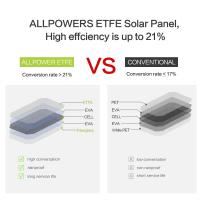
The efficiency of a solar panel is determined by how well it converts sunlight into usable electricity. Several factors influence this efficiency:
1. Material Quality: Higher quality semiconductor materials can absorb more photons and generate more electricity.
2. Panel Design: Innovations in design, such as bifacial panels that capture sunlight from both sides, can enhance efficiency.
3. Temperature: Solar panels are less efficient at higher temperatures. Proper ventilation and cooling mechanisms can mitigate this issue.
4. Angle and Orientation: The angle and direction in which panels are installed affect their exposure to sunlight. Optimal positioning maximizes energy capture.
5. Shading: Even partial shading from trees, buildings, or debris can significantly reduce a panel's output. Ensuring a clear, unobstructed installation site is crucial.
Types of Solar Panels
There are several types of solar panels, each with its own advantages and disadvantages:
1. Monocrystalline Panels: Made from a single crystal structure, these panels are highly efficient and space-efficient but tend to be more expensive.
2. Polycrystalline Panels: These are made from multiple crystal structures and are generally less efficient than monocrystalline panels but are more affordable.
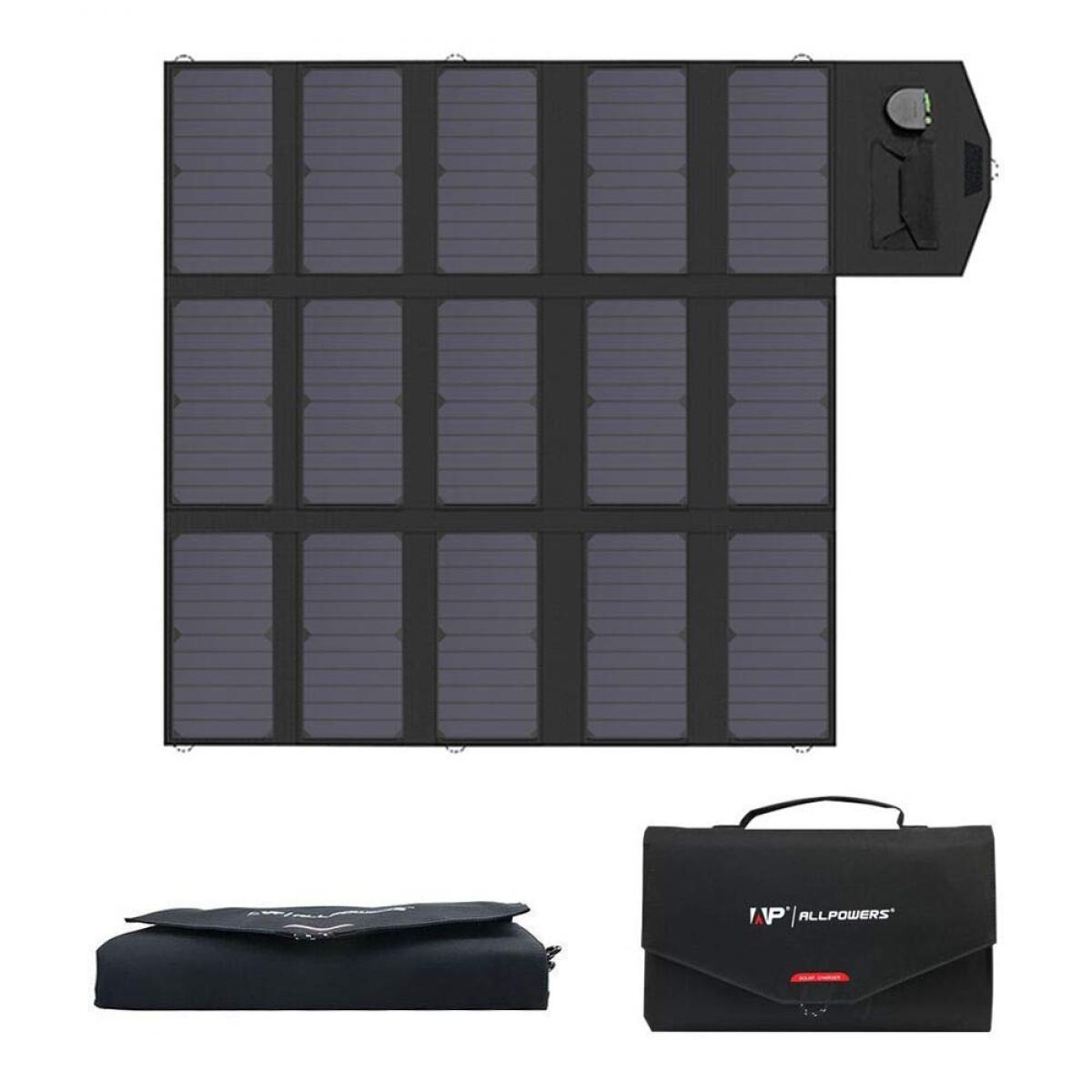
3. Thin-Film Panels: These are made by depositing one or more layers of photovoltaic material onto a substrate. They are flexible and lightweight but usually less efficient than crystalline panels.
Applications of Solar Panels
Solar panels have a wide range of applications, from small-scale residential systems to large-scale solar farms:
1. Residential Use: Homeowners can install solar panels on rooftops to generate electricity for personal use, reducing reliance on the grid and lowering energy bills.
2. Commercial Use: Businesses can use solar panels to power operations, often taking advantage of tax incentives and rebates to offset installation costs.
3. Utility-Scale Solar Farms: These large installations generate significant amounts of electricity, which is fed into the grid to supply power to thousands of homes and businesses.
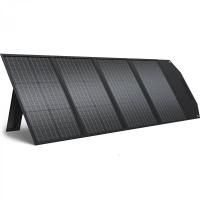
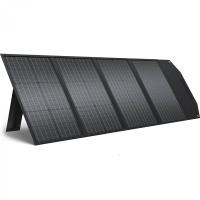
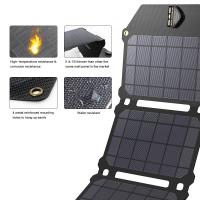
4. Portable Solar Solutions: Smaller, portable solar panels are used in various applications, from charging electronic devices to powering remote equipment.
Environmental and Economic Benefits
The adoption of solar panels offers numerous environmental and economic benefits:
1. Reduction in Greenhouse Gas Emissions: Solar energy is a clean, renewable source that does not produce greenhouse gases, helping to combat climate change.
2. Energy Independence: By generating their own electricity, individuals and businesses can reduce dependence on fossil fuels and the grid.
3. Job Creation: The solar industry has created numerous jobs in manufacturing, installation, and maintenance.
4. Cost Savings: While the initial investment can be significant, the long-term savings on energy bills and potential earnings from selling excess power back to the grid can make solar panels a financially sound investment.
Challenges and Future Prospects
Despite the many advantages, there are challenges to the widespread adoption of solar panels:
1. Initial Costs: The upfront cost of purchasing and installing solar panels can be a barrier for many.
2. Intermittency: Solar power generation is dependent on sunlight, making it less reliable during cloudy days or at night. Energy storage solutions, such as batteries, are essential to address this issue.
3. Space Requirements: Large installations require significant space, which may not be available in densely populated areas.
Looking ahead, advancements in technology and increased investment in renewable energy are likely to overcome these challenges. Innovations in solar cell materials, energy storage, and grid integration will enhance the efficiency and reliability of solar power systems.
Solar panels represent a pivotal technology in the transition to a sustainable energy future. By understanding how they generate power, the factors affecting their performance, and their various applications, individuals and businesses can make informed decisions about adopting solar energy. As technology continues to advance and costs decrease, solar panels will play an increasingly vital role in meeting global energy needs while protecting the environment.