How Do Solar Panels Make Energy?
Solar panels, also known as photovoltaic (PV) panels, are a remarkable technology that harnesses the power of the sun to generate electricity. This process is not only fascinating but also crucial for the advancement of renewable energy solutions. In this article, we will delve into the intricacies of how solar panels make energy, exploring the science behind their operation, the components involved, and the practical applications of this technology.
The Science Behind Solar Panels
At the heart of solar panels is the photovoltaic effect, a process by which light energy is converted into electrical energy. This phenomenon was first observed by French physicist Edmond Becquerel in 1839, but it wasn't until the mid-20th century that practical applications began to emerge.
Photovoltaic Effect
The photovoltaic effect occurs when photons, the basic units of light, strike a semiconductor material, typically silicon, within the solar panel. When these photons hit the semiconductor, they transfer their energy to electrons in the material. This energy boost allows the electrons to break free from their atomic bonds and flow through the material, creating an electric current.
Semiconductor Materials
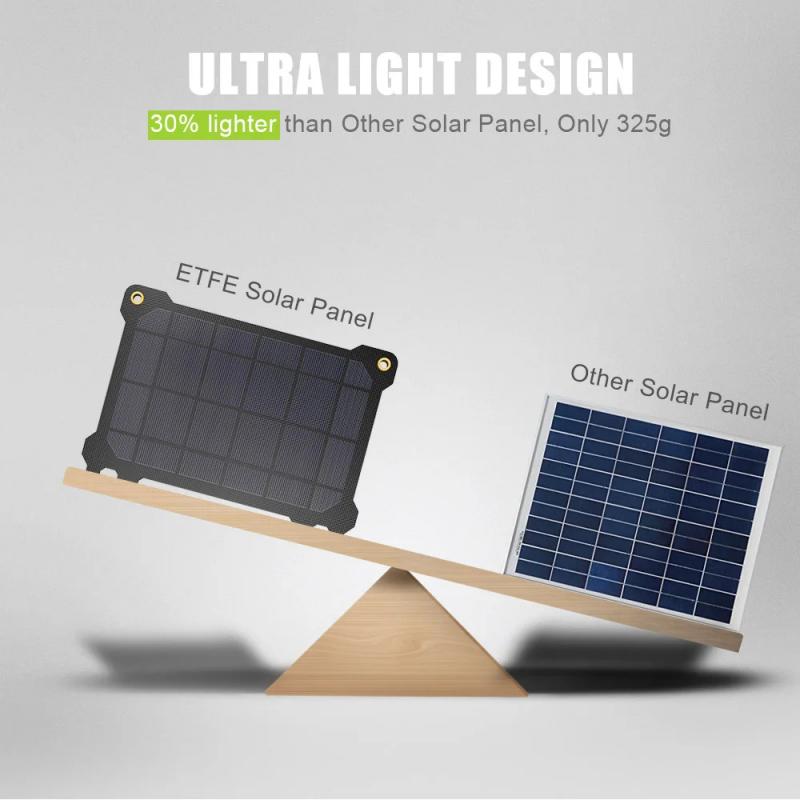
Silicon is the most commonly used semiconductor material in solar panels due to its abundance and favorable electronic properties. There are two main types of silicon used in solar panels: monocrystalline and polycrystalline.
- Monocrystalline Silicon: Made from a single, continuous crystal structure, monocrystalline silicon panels are more efficient and have a higher power output per square meter compared to polycrystalline panels. However, they are also more expensive to produce.
- Polycrystalline Silicon: These panels are made from silicon crystals that are melted together. They are less efficient than monocrystalline panels but are cheaper to manufacture.
Components of a Solar Panel
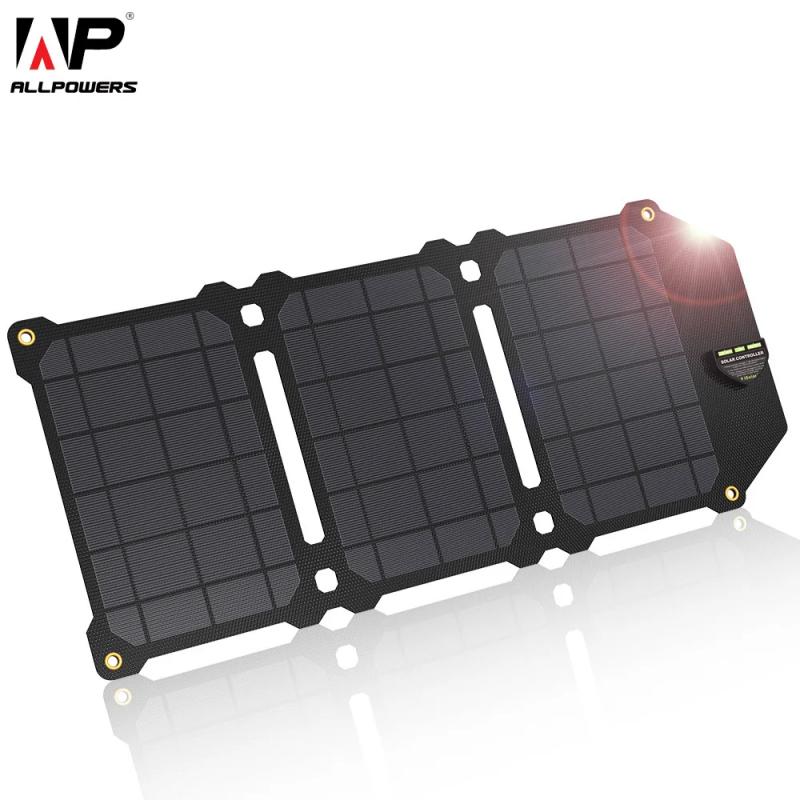
A solar panel is composed of several key components that work together to convert sunlight into electricity.
1. Solar Cells: The basic building blocks of a solar panel, solar cells are where the photovoltaic effect takes place. Each cell typically produces a small amount of electricity, so multiple cells are connected in series and parallel to form a solar panel.
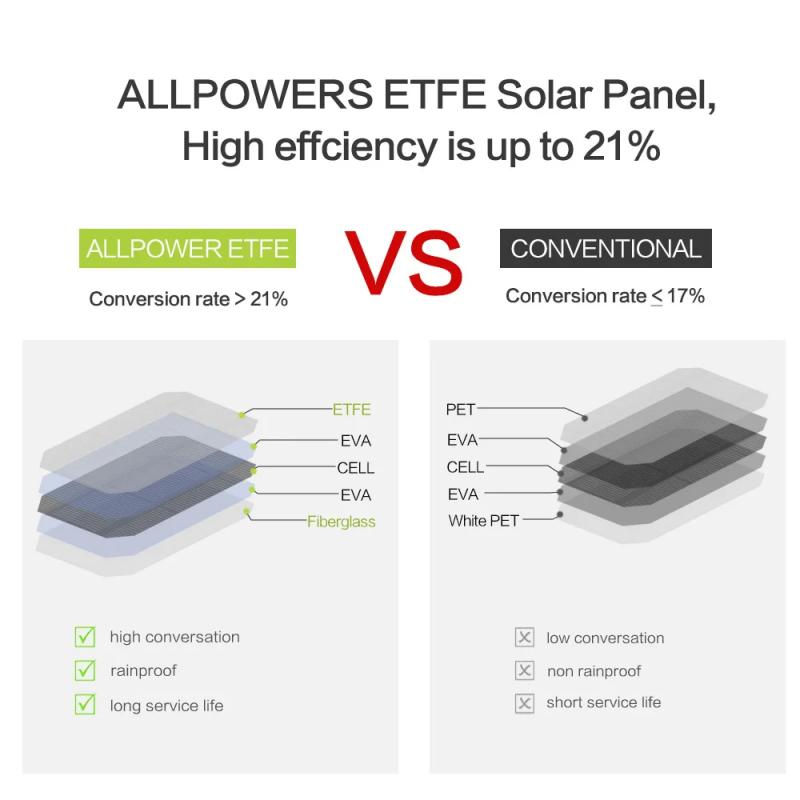
2. Glass Cover: The top layer of the panel, usually made of tempered glass, protects the solar cells from environmental factors such as rain, hail, and debris while allowing sunlight to pass through.
3. Encapsulant: This layer, often made of ethylene-vinyl acetate (EVA), surrounds the solar cells, providing insulation and protecting them from moisture and mechanical damage.
4. Backsheet: The back layer of the panel, typically made of a durable polymer, provides additional protection and insulation.
5. Frame: Usually made of aluminum, the frame holds the entire panel together and provides a mounting structure for installation.
How Solar Panels Generate Electricity
The process of generating electricity from solar panels can be broken down into several steps:
1. Absorption of Sunlight: When sunlight hits the solar panel, the photons in the light are absorbed by the semiconductor material in the solar cells.
2. Generation of Electron-Hole Pairs: The energy from the absorbed photons excites electrons in the semiconductor, creating electron-hole pairs. An electron-hole pair consists of a free electron and a corresponding hole where the electron was previously bound.
3. Separation of Charges: The design of the solar cell, which includes a built-in electric field, causes the free electrons to move towards the front surface of the cell, while the holes move towards the back surface.
4. Collection of Current: Metal contacts on the front and back surfaces of the cell collect the free electrons, creating an electric current. This current flows through an external circuit, providing usable electricity.
Practical Applications of Solar Panels
Solar panels have a wide range of applications, from small-scale residential systems to large-scale solar farms. Here are some of the most common uses:
Residential Solar Power
Homeowners can install solar panels on their rooftops to generate electricity for their homes. This not only reduces their reliance on the grid but can also lead to significant cost savings on electricity bills. In many cases, excess electricity generated by the panels can be sold back to the grid, providing an additional source of income.
Commercial Solar Power
Businesses and industrial facilities can also benefit from solar power. Installing solar panels on commercial buildings can help reduce operating costs and improve sustainability. Many companies are now investing in solar energy as part of their corporate social responsibility (CSR) initiatives.
Solar Farms
Large-scale solar farms, also known as solar power plants, consist of thousands of solar panels installed over vast areas of land. These farms generate significant amounts of electricity, which is fed into the grid to supply power to homes and businesses. Solar farms are a key component of many countries' renewable energy strategies.
Off-Grid Solar Systems
In remote areas where access to the grid is limited or non-existent, off-grid solar systems provide a reliable source of electricity. These systems often include battery storage to ensure a continuous power supply, even when the sun is not shining.
Challenges and Future Developments
While solar panels offer numerous benefits, there are also challenges to their widespread adoption. One of the main challenges is the intermittent nature of solar energy, as it is dependent on weather conditions and daylight hours. However, advancements in energy storage technologies, such as batteries, are helping to mitigate this issue.
Another challenge is the initial cost of installing solar panels. Although prices have decreased significantly over the past decade, the upfront investment can still be a barrier for some individuals and businesses. Financial incentives, such as tax credits and rebates, are available in many regions to help offset these costs.
Looking to the future, ongoing research and development are focused on improving the efficiency and affordability of solar panels. Innovations such as perovskite solar cells, which have the potential to achieve higher efficiencies at lower costs, are showing great promise. Additionally, advancements in solar panel recycling and sustainable manufacturing practices are helping to reduce the environmental impact of solar energy.
Solar panels are a powerful and versatile technology that plays a crucial role in the transition to renewable energy. By understanding how they work and the science behind their operation, we can better appreciate the potential of solar energy to address some of the world's most pressing energy challenges. As technology continues to advance, solar panels will undoubtedly become an even more integral part of our energy landscape, providing clean, sustainable power for generations to come.