What Is A Camera Mount Adapter?
In the realm of photography and videography, the quest for achieving creative and functional versatility is often tied to the tools at one's disposal. Cameras, lenses, and associated equipment are designed with varying configurations, mounts, and specifications, creating both opportunities and challenges for users. Among the many ingenious tools available in the world of imaging accessories, the camera mount adapter stands out as a practical solution for photographers and videographers seeking the ability to expand their equipment compatibility and operational potential.
Understanding the Basics of Camera Mount Adapters
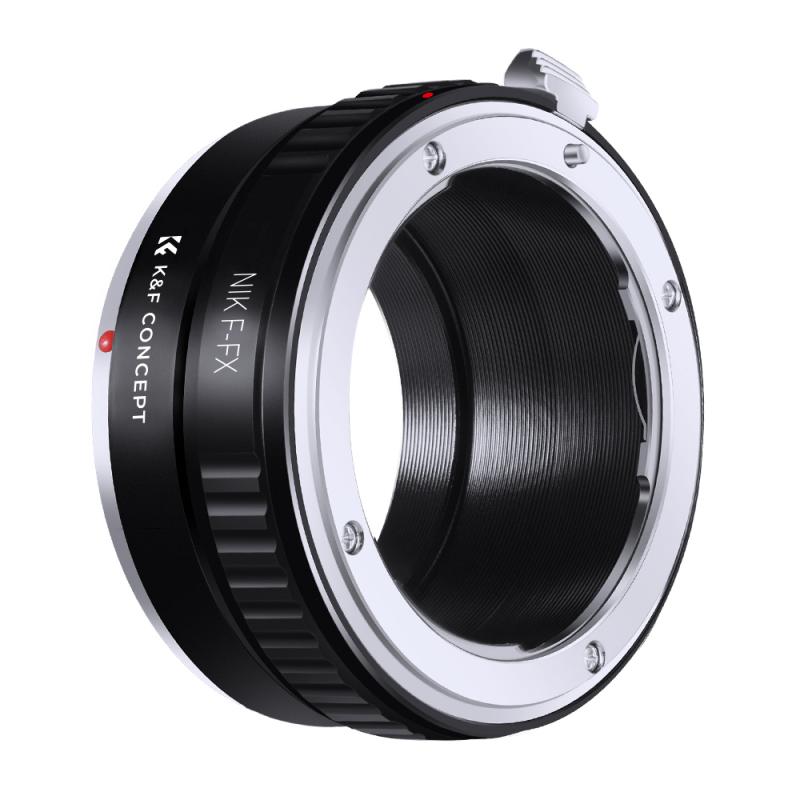
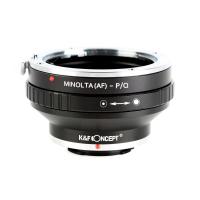
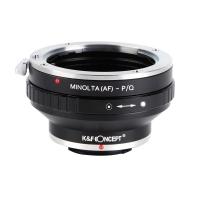
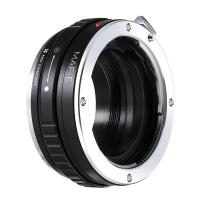
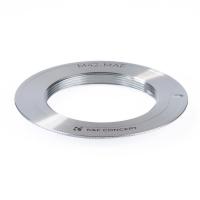
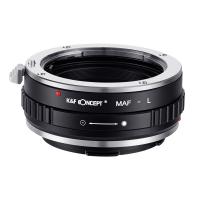
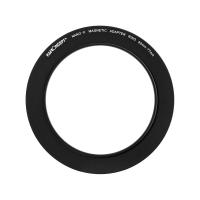
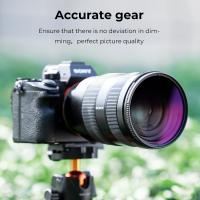
A camera mount adapter is an accessory designed to bridge the gap between incompatible lens mounts and camera mounts. Simply put, if the lens you want to use has a different mount type than your camera body, a camera mount adapter can allow these two pieces of equipment to work together.
The vast and varied landscape of cameras and lenses includes multiple proprietary mount types created by manufacturers to work uniquely with their systems. For instance, Canon cameras have their EF, EF-S, or RF lens mounts; Nikon cameras use F-Mount or Z-Mount systems; and Sony employs its E-Mount and A-Mount designs. Historically, this diversity meant that photographers were locked into using lenses compatible only with their camera brand or specific mount type.
Camera mount adapters break down such restrictions by serving as converters, letting photographers and videographers enjoy the benefits of cross-brand and cross-mount usage. For example, you might use a Canon EF lens on a Sony E-mount camera with the appropriate adapter. The adaptability extends creative possibilities, granting access to lenses with unique optical characteristics or legacy lenses that may not otherwise fit modern camera systems.
Key Features of Camera Mount Adapters
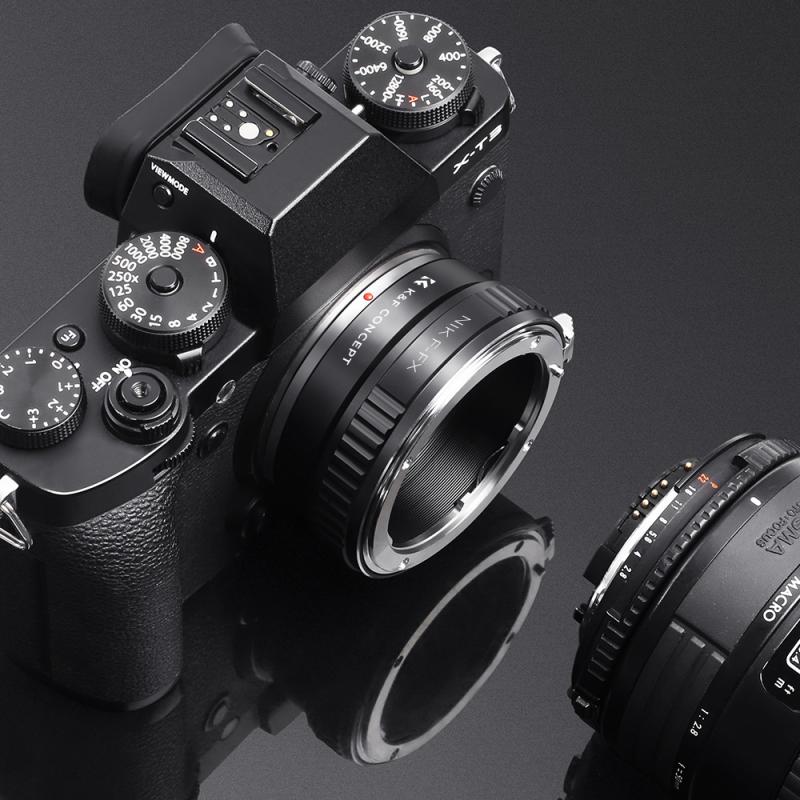
Numerous factors distinguish the functionality and suitability of camera mount adapters. It’s crucial to understand these aspects to choose the right adapter for your needs:
1. Compatibility:
Compatibility is the first consideration. Different adapters are designed to fit specific lens mounts and camera types, so you must ensure that the adapter matches your lens’ mount type and the mount type of your camera body. For example, an adapter for Nikon F-Mount lenses to Canon RF-mount cameras would work for that specific pairing.
2. Functionality:
Some adapters offer only basic physical matching, enabling you to attach a lens to a camera without providing electronic communication between the lens and camera body. These are known as "dumb" adapters and are typically used for manual focus lenses where autofocus and aperture control aren’t required.
On the other hand, "smart" adapters provide support for these electronic functions. They facilitate autofocus, image stabilization, and electronic aperture control, ensuring a seamless experience closer to using native lenses.
3. Build Quality:
High-quality camera mount adapters are constructed with robust materials like aluminum or brass, ensuring durability and precision. Build quality is critical to avoid issues such as looseness or misalignment, which can negatively affect image quality.
4. Optical Elements:
Some adapters include optical elements that help correct for the lens’ focal distance, known as focal reducers or speed boosters. These adapters not only maintain compatibility but can improve performance. For instance, they reduce the crop factor when using a smaller sensor camera and increase the lens’s light-gathering capability.
5. Price:
The cost of mount adapters varies significantly depending on their features and design. Simple "dumb" adapters are cheaper, while "smart" adapters or those incorporating high-grade optical elements and electronics can be more expensive.
Common Use Cases for Camera Mount Adapters
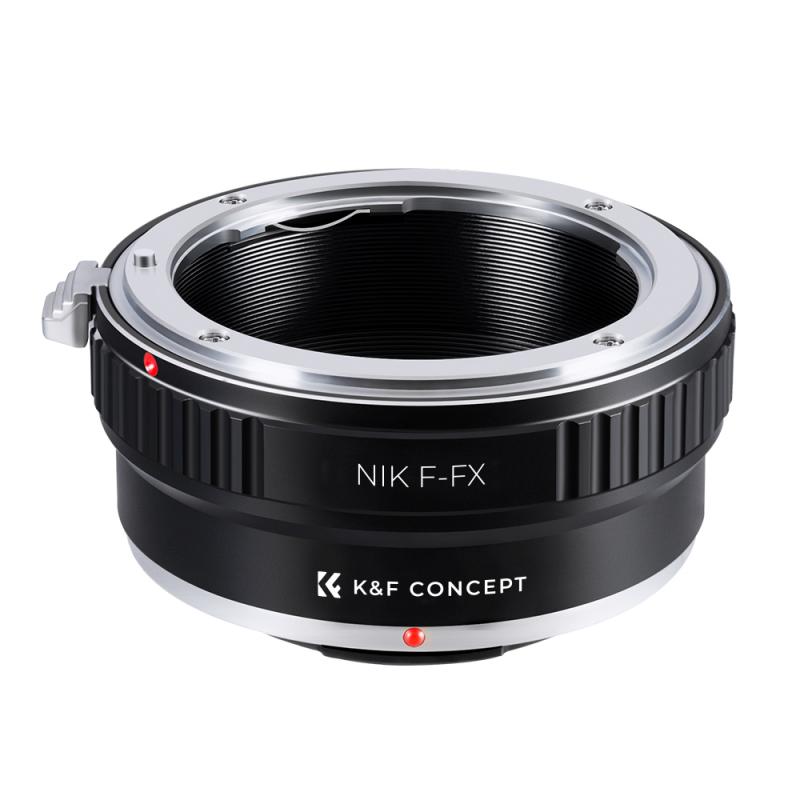
Camera mount adapters serve diverse purposes within the photography and videography world:
1. Using Legacy Lenses:
Vintage lenses often have unique optical qualities that professionals and enthusiasts seek for creative projects. Many of these lenses were designed for film cameras with older mount systems no longer found on modern digital cameras. Camera mount adapters make it possible to use such lenses on current devices, unlocking the creative potential of legacy gear.
2. Expanding Lens Options:
Mount adapters allow photographers and videographers to utilize lenses from different brands, widening the choices available. For instance, a professional using a Sony camera might use a Canon lens with specialized optical characteristics for a distinct look or architectural photography.
3. Cross-System Investments:
Sometimes, individuals own diverse camera systems or switch between brands, making adapters an economical option to maximize the utility of existing lenses without needing to repurchase them in a new mount type.
4. Micro Four Thirds and APS-C Cameras:
Many adapters are available for smaller sensor formats, such as Micro Four Thirds or APS-C cameras, to use full-frame lenses from other systems. These adapters can include optical elements like focal reducers that enhance the performance of the attached lens.
5. Specialty Applications:
Adapters also cater to niche photography needs, such as tilt-shift effects or cine lenses adapted for video work.
Considerations Before Purchasing a Camera Mount Adapter
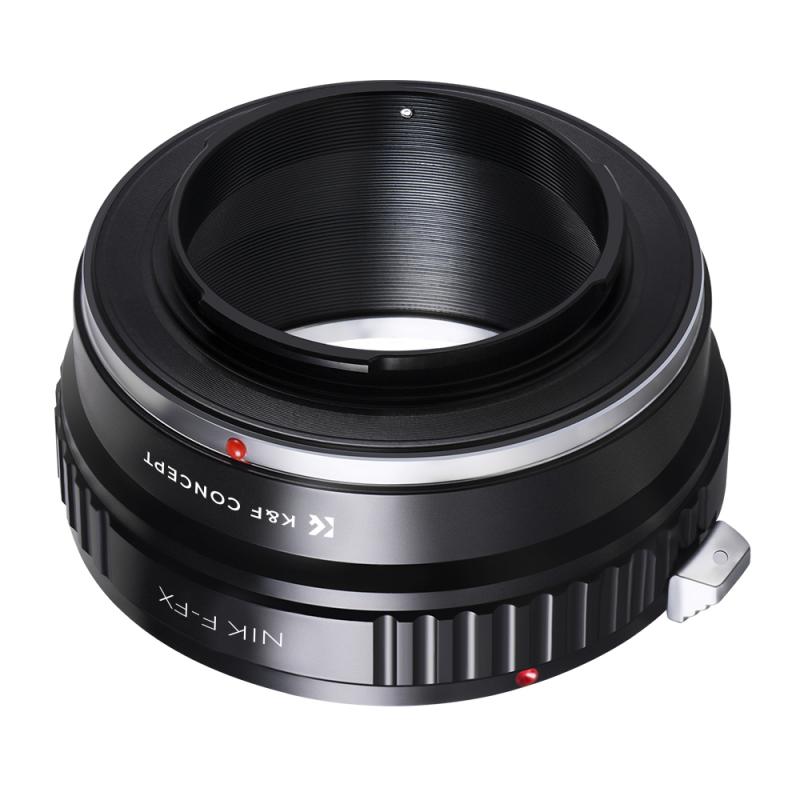
While camera mount adapters substantially increase versatility, there are a few considerations to keep in mind before investing in one:
1. Loss of Functionality:
Even with smart adapters, certain functions like autofocus speed, image stabilization, or focus stacking may work slower or less effectively than with native lenses. Compatibility precautions are essential.
2. Image Quality:
Depending on the adapter’s design, there might be slight changes in image quality due to alignment issues or added optical elements. High-quality adapters reduce these risks, but using cheaper options might affect sharpness or introduce vignetting.
3. Manual Focus Limitations:
If the adapter doesn’t support autofocus, the photographer may need to rely solely on manual focus, which can be challenging for fast-moving subjects.
4. Price vs. Value:
Investing in a high-priced adapter might still be more economical compared to purchasing entirely new lenses for your camera’s native mount type. However, careful calculation is needed to assess whether this approach benefits your long-term equipment goals.
5. Maintenance and Care:
Proper handling and maintenance of adapters are necessary to ensure precision and alignment. Dust or damage can compromise their performance, so using lens caps and keeping the adapter clean is advised.
Practical Tips for Using Camera Mount Adapters
1. Research Compatibility:
Before purchasing an adapter, thoroughly confirm the lens and camera mount specifications. Cross-check with user reviews and product descriptions to avoid surprises.
2. Start with Manual Focus Adapters:
If you’re new to adapting gear, begin with manual focus adapters. They’re straightforward, affordable, and great for experimenting with compatibility.
3. Opt for Trusted Brands:
Established brands such as Metabones, Fotodiox, or Viltrox might cost more, but they adhere to higher standards of quality and reliability.
4. Understand Limitations:
Prepare for potential compromises in functionality, such as slower autofocus or manual aperture settings. Learning how to work with these constraints can lead to creative approaches.
5. Test Before Critical Shoots:
For professional projects, be sure to test the adapter with your specific camera and lens beforehand. It’s better to identify any issues in advance than face difficulties mid-assignment.
Camera mount adapters represent an indispensable tool for photographers and videographers who want to break the barriers of brand-specific equipment and unlock creative possibilities. Whether it’s pairing vintage lenses with modern digital cameras or navigating the complexities of cross-brand lens compatibility, adapters provide solutions that help expand the potential of your gear.
By thoughtfully considering factors like functionality, compatibility, and performance, you can integrate mount adapters seamlessly into your toolkit while evolving as a versatile visual storyteller. The key lies in understanding the trade-offs, investing wisely in quality products, and embracing the freedom such adapters can offer in the photographic journey. Whether you're a seasoned professional or an eager beginner, camera mount adapters remind us of the endless possibilities within the art of photography.