What Is The Magnification Of Binoculars?
Understanding the Magnification of Binoculars: A Comprehensive Guide
Binoculars are one of the most essential tools for observers, whether they are bird watchers, stargazers, sports fans, hunters, or hikers. Despite their widespread use, many people misunderstand one of the most critical aspects of their functionality: magnification. In this article, we’ll explore magnification in detail, touching on how it works, why it matters, and how to choose the right magnification for specific use cases.
What Does Magnification Mean?
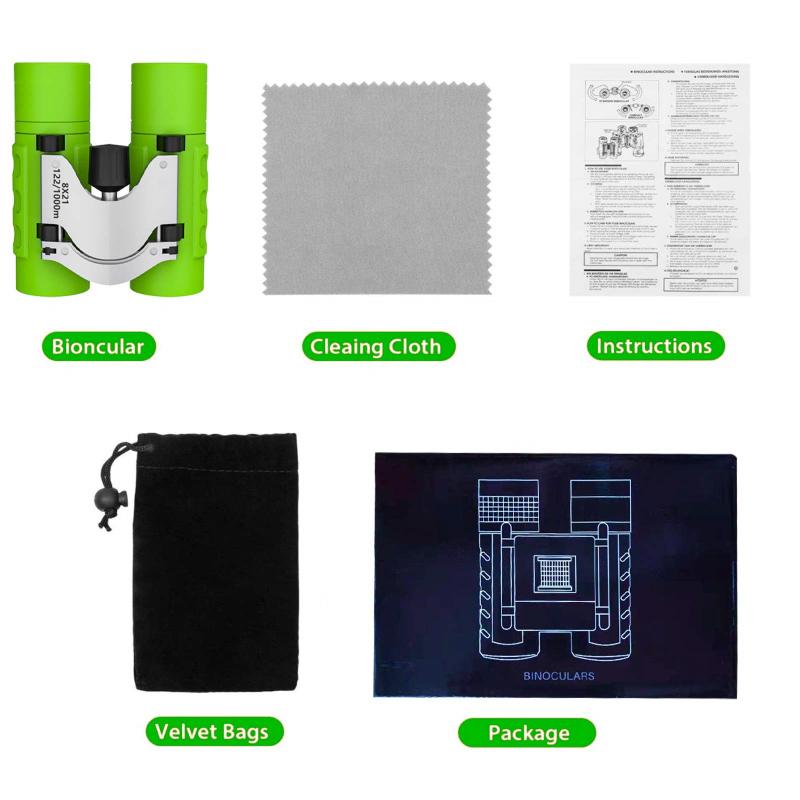
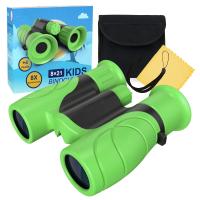
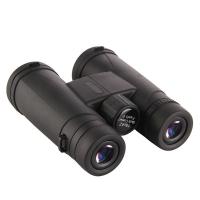
In binoculars, magnification refers to how much closer or larger an object appears when viewed through the optics compared to the naked eye. It is typically expressed as the first number in the binocular's specifications, such as "8x42" or "10x50." The "8x" or "10x" tells you the magnification level: an 8x magnification makes objects appear eight times closer, while a 10x magnification makes objects appear ten times closer.
For example, when viewing a bird that is 800 meters away through 8x binoculars, the bird will appear as if it were only 100 meters away. In essence, magnification shrinks the distance by a corresponding factor.
How Does Magnification Work in Binoculars?

Magnification is achieved through the lenses and prisms inside the binoculars that bend and focus light to magnify the image. While magnification increases the perceived size of an object, it also narrows the field of view, which is the width of the area you can see through the binoculars. Higher magnifications generally result in a smaller field of view, making it more difficult to track moving objects like birds or planes.
Pros and Cons of Higher Magnification
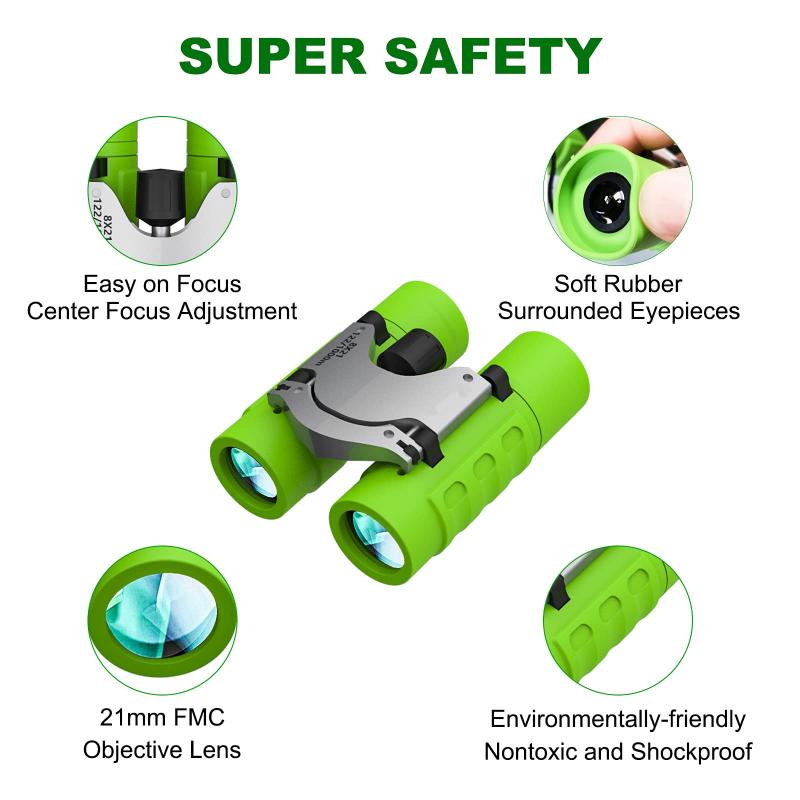
Higher magnification can be tempting for users who want to see the smallest details of far-off objects. However, increased magnification comes with trade-offs:
Advantages:
1. Closer Look: Objects appear significantly larger, which is excellent for detailed observation.
2. Ideal for Stationary Targets: Higher magnification works well for observing stationary subjects, such as landscapes or celestial bodies.
Disadvantages:
1. Reduced Field of View: High magnification narrows the area visible through the binoculars, making it difficult to locate and follow moving targets.
2. Stability Issues: At higher magnifications, even small hand movements tend to shake the image. For magnifications above 10x, a tripod or stabilizing tool becomes essential to ensure a steady view.
3. Lower Brightness: A higher magnification can reduce the brightness and sharpness of the image, especially if the binocular’s aperture (the second number in the specification) isn’t large enough.
Common Magnification Levels in Binoculars

1. Low Magnification (6x to 8x):
These are suitable for general-purpose use. Binoculars with low magnification offer a wide field of view and are ideal for activities like bird watching, hiking, and sporting events. Since they are easier to stabilize, they are also good for beginners.
2. Mid-range Magnification (10x to 12x):
These binoculars offer a closer view while still maintaining a manageable field of view. They are popular among hunters and nature enthusiasts who need to see further into the distance. However, they sometimes require more stabilization if hand tremors are an issue.
3. High Magnification (Above 12x):
Binoculars in this category are designed for specialized applications such as stargazing or spotting at extreme distances. They often require tripods or image stabilization features due to the difficulty of maintaining a steady image by hand. These are less commonly used for mobile or handheld activities.
Choosing the Right Magnification for Your Needs
The ideal magnification level depends on how you plan to use your binoculars. Below are some practical recommendations based on common use cases:
1. Bird Watching:
Bird watchers often prefer binoculars with magnifications between 7x and 10x. These provide a good balance between magnification and field of view, allowing them to locate, track, and observe birds in their natural habitat without losing sight of them due to excessive zoom.
2. Hiking and Nature Observation:
For general hiking and casual wildlife viewing, 8x magnification is a popular choice. It provides a wide field of view, allowing users to enjoy panoramic landscapes without sacrificing the ability to zoom in on specific points of interest.
3. Sports and Events:
Sports fans sitting in large stadiums or spectators at outdoor events may opt for 7x to 8x binoculars. These magnifications offer a stable image and a wide view, perfect for tracking action across a wide area.
4. Hunting:
Hunters often need mid-range binoculars with 10x magnification. This offers good detail while still maintaining enough field of view to scan for animals in dense terrain.
5. Stargazing:
Stargazers typically go for binoculars with higher magnifications starting at 12x. These allow you to see celestial bodies in greater detail. Pairing high-magnification binoculars with tripods ensures stability and avoids jittery images, which are common when holding binoculars manually.
6. Marine Activities:
For boating or maritime activities, magnification between 7x and 10x is often preferred. A steady, wide field of view is especially essential when dealing with the unsteady movement of a boat or ship.
Additional Factors to Consider Alongside Magnification
When choosing binoculars, magnification isn’t the only factor to evaluate. Aperture (the second number in the specification, like “42” in 8x42) determines the amount of light entering the binoculars and affects image brightness. Larger apertures (above 40mm) are generally better for low-light conditions, such as dawn or dusk activities.
Field of view, eye relief (important for eyeglass wearers), and weight are other considerations that should align with your intended usage. For instance, stargazers may prioritize a larger aperture and tripod compatibility over portability, while hikers may prefer lightweight models with lower magnification.
Practical Tips for Using Binocular Magnification
1. Test Before Buying: Trying out different magnifications at a store or borrowing from friends can help you determine what feels comfortable and suits your needs.
2. Stabilization Technique: For higher magnifications, practice stabilizing your hands or use a tripod for steady viewing.
3. Consider Image Stabilization Features: Some binoculars are equipped with image stabilization technology, which compensates for shaky hands and provides smooth visuals for higher magnifications.
A Note on Over-Magnification
While high magnification might sound appealing, it’s not always the best choice. Using binoculars with excessive magnification can lead to difficulty locating objects, blurry images, and frustrating instability. Beginners should usually start with magnifications around 8x to get accustomed to using binoculars effectively.
Final Thoughts
Magnification is a vital specification when choosing binoculars, but it’s only one part of the overall equation. A good understanding of your intended use case, combined with consideration for complementary factors like aperture, field of view, and stabilization methods, will help you select binoculars that meet your needs perfectly.
If you’re a beginner, aim for magnifications in the range of 6x to 10x for most activities. As you gain experience and refine your skills, you’ll be better equipped to explore higher magnification levels or specialized binoculars tailored to specific activities like astronomy or marine observation.
Binoculars are more than just tools—they’re gateways to exploring the world around you. Whether you’re marveling at distant stars or tracking elusive wildlife, understanding magnification ensures you’ll get the most out of your viewing experience.