How Do Solar Panels Work For Your Home?
Solar panels have become an increasingly popular choice for homeowners looking to reduce their energy bills and their carbon footprint. Understanding how solar panels work can help you make an informed decision about whether this technology is right for your home. In this article, we will delve into the mechanics of solar panels, the benefits they offer, and practical considerations for installation and maintenance.
The Basics of Solar Panels
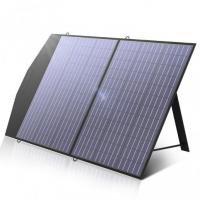
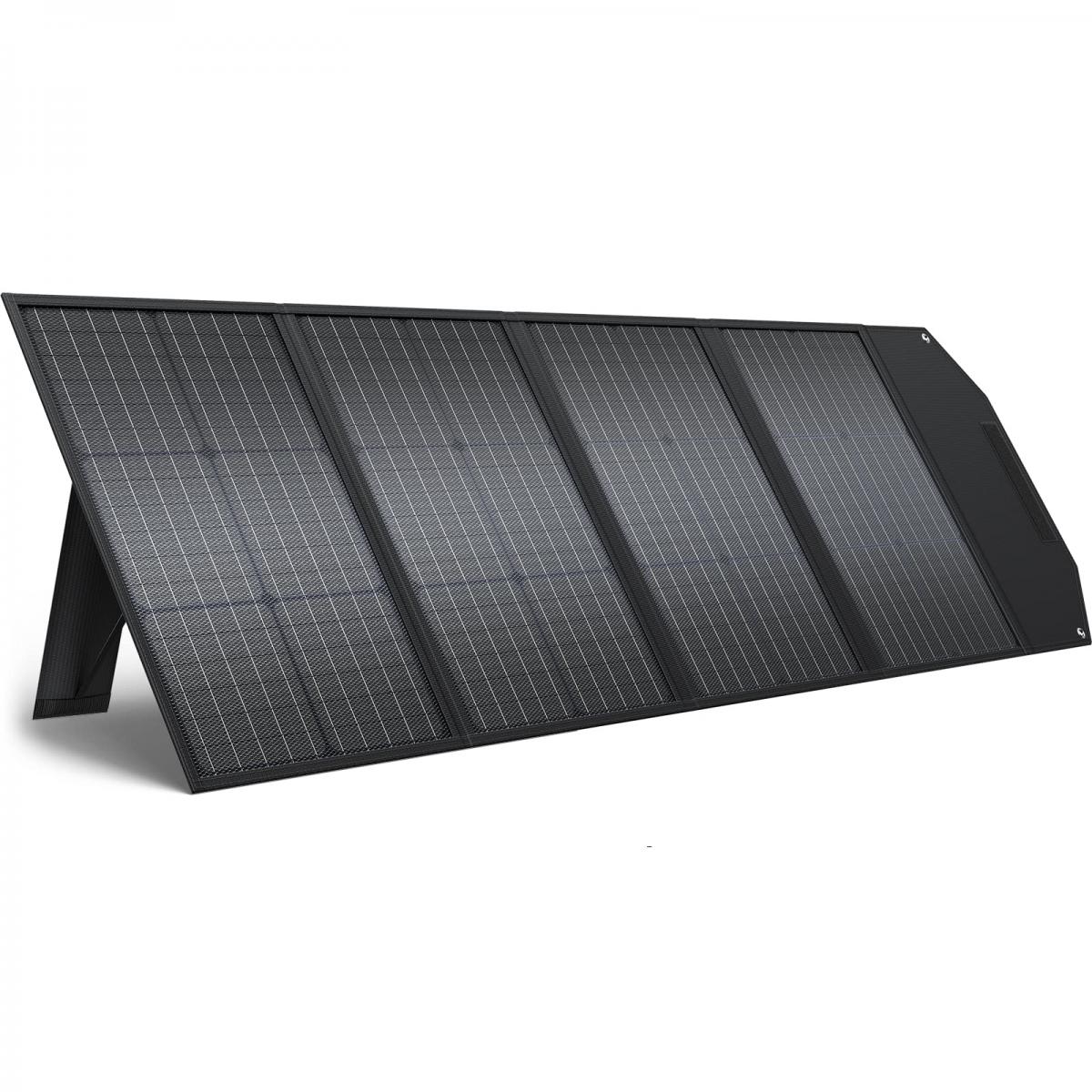
At the core of solar panel technology is the photovoltaic (PV) cell. These cells are made from semiconductor materials, typically silicon, which absorb sunlight and convert it into electricity. When sunlight hits the PV cells, it excites electrons, creating an electric current. This process is known as the photovoltaic effect.
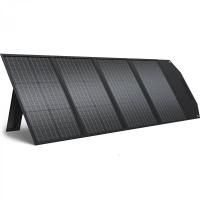
A typical solar panel consists of multiple PV cells connected together to form a module. These modules are then linked to form a solar array, which can be installed on your roof or in your yard. The electricity generated by the solar panels is direct current (DC), which needs to be converted into alternating current (AC) by an inverter, as most household appliances run on AC.
Components of a Solar Power System
1. Solar Panels: These capture sunlight and convert it into DC electricity.
2. Inverter: Converts DC electricity into AC electricity.
3. Mounting System: Secures the panels to your roof or ground.
4. Battery Storage (Optional): Stores excess electricity for use when sunlight is not available.
5. Monitoring System: Tracks the performance and efficiency of your solar power system.
How Solar Panels Generate Electricity
1. Sunlight Activation: When sunlight hits the solar panels, the PV cells absorb the light.
2. Electron Excitation: The absorbed light excites electrons in the semiconductor material, creating an electric current.
3. Electricity Generation: The electric current flows through the wiring in the panel and is collected at a central point.
4. Inversion: The DC electricity is sent to an inverter, which converts it into AC electricity.
5. Power Distribution: The AC electricity is then distributed to your home’s electrical system, powering your appliances and lighting.
Benefits of Solar Panels
1. Cost Savings: One of the most significant benefits of solar panels is the reduction in electricity bills. Depending on the size of your system and your energy consumption, you could potentially eliminate your electricity bill.
2. Environmental Impact: Solar energy is a clean, renewable resource. By using solar panels, you reduce your reliance on fossil fuels, thereby decreasing your carbon footprint.
3. Energy Independence: With solar panels, you become less dependent on the grid, which can be particularly beneficial in areas prone to power outages.
4. Increased Home Value: Homes with solar panels often have higher property values and can sell faster than those without.
5. Incentives and Rebates: Many governments offer tax incentives, rebates, and other financial benefits to encourage the adoption of solar energy.
Practical Considerations
1. Initial Investment: The upfront cost of purchasing and installing solar panels can be high. However, this cost is often offset by long-term savings on electricity bills and available incentives.
2. Roof Condition and Orientation: The condition and orientation of your roof play a crucial role in the efficiency of your solar panels. South-facing roofs with minimal shading are ideal.
3. Local Climate: While solar panels can generate electricity in various weather conditions, their efficiency is higher in areas with abundant sunlight.
4. Maintenance: Solar panels require minimal maintenance, but it’s essential to keep them clean and free of debris to ensure optimal performance.
5. Permits and Regulations: Check local regulations and obtain necessary permits before installing solar panels. Some areas have specific requirements and restrictions.
Installation Process
1. Site Assessment: A professional will evaluate your home’s suitability for solar panels, considering factors like roof condition, orientation, and shading.
2. System Design: Based on the assessment, a customized solar power system will be designed to meet your energy needs.
3. Permitting: Obtain the necessary permits and approvals from local authorities.
4. Installation: The solar panels, inverter, and other components are installed. This process typically takes a few days.
5. Inspection and Activation: After installation, the system is inspected to ensure it meets all regulations and safety standards. Once approved, the system is activated, and you can start generating electricity.
Financial Considerations
1. Cost of Solar Panels: The cost of solar panels has decreased significantly over the years, making them more affordable. Prices vary based on the size and type of system.
2. Financing Options: Various financing options are available, including loans, leases, and power purchase agreements (PPAs). Each option has its pros and cons, so it’s essential to choose the one that best fits your financial situation.
3. Return on Investment (ROI): Calculate the ROI by considering the initial cost, potential savings on electricity bills, and available incentives. Most homeowners see a return on their investment within 5-10 years.
4. Incentives and Rebates: Take advantage of federal, state, and local incentives to reduce the overall cost of your solar power system. These incentives can significantly impact the affordability and ROI of your investment.
Common Misconceptions
1. Solar Panels Don’t Work in Cloudy Weather: While solar panels are most efficient in direct sunlight, they can still generate electricity on cloudy days. Modern panels are designed to capture a broad spectrum of light, including diffused sunlight.
2. Solar Panels Are Too Expensive: The cost of solar panels has dropped significantly, and various financing options and incentives make them more accessible.
3. Maintenance is Complicated: Solar panels require minimal maintenance. Regular cleaning and occasional inspections are usually sufficient to keep them functioning optimally.
4. Solar Panels Will Damage My Roof: When installed correctly by professionals, solar panels do not damage your roof. In fact, they can protect the roof from weather-related wear and tear.
Future of Solar Energy
The future of solar energy looks promising, with advancements in technology making solar panels more efficient and affordable. Innovations such as solar shingles, which integrate seamlessly with your roof, and improved battery storage solutions are making solar energy more accessible and practical for homeowners.
Solar panels offer a sustainable and cost-effective way to power your home. By understanding how they work and considering the practical aspects of installation and maintenance, you can make an informed decision about whether solar energy is right for you. With the potential for significant cost savings, environmental benefits, and increased energy independence, solar panels are an investment worth considering for any homeowner.