How Long A Solar Panel Will Last?
Understanding the Longevity of Solar Panels: A Comprehensive Guide
As the world increasingly turns to renewable energy sources, solar panels have become a popular choice for both residential and commercial energy needs. One of the most common questions potential solar panel users ask is, "How long will a solar panel last?" This question is crucial for anyone considering the investment in solar technology, as the longevity of solar panels directly impacts their cost-effectiveness and environmental benefits. In this article, we will delve into the factors that influence the lifespan of solar panels, the typical duration you can expect them to last, and how to maximize their longevity.
The Typical Lifespan of Solar Panels
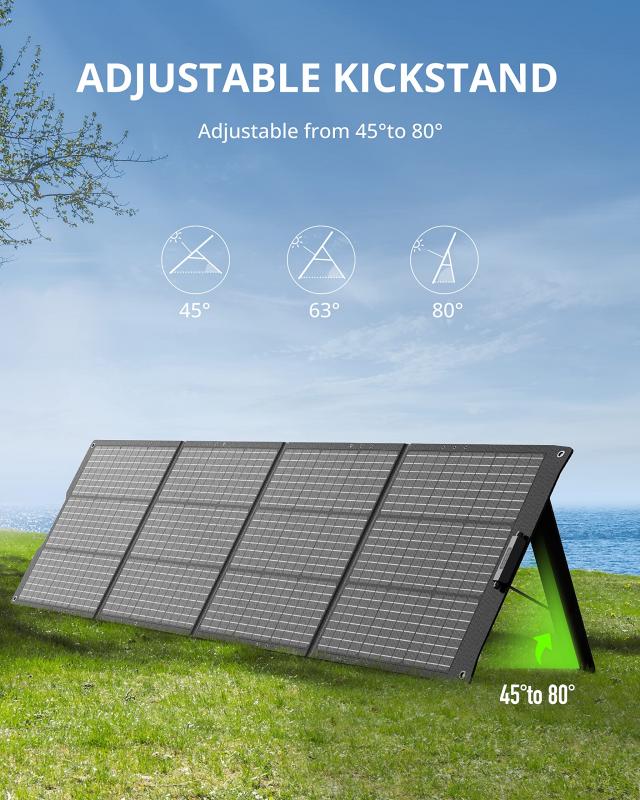
Most solar panels come with a warranty that guarantees their performance for 25 to 30 years. However, this does not mean that the panels will stop working after this period. In fact, many solar panels continue to produce electricity well beyond their warranty period, albeit at a reduced efficiency. On average, you can expect a solar panel to last between 25 to 40 years, depending on various factors such as the quality of the panel, installation, and maintenance.
Factors Influencing Solar Panel Longevity
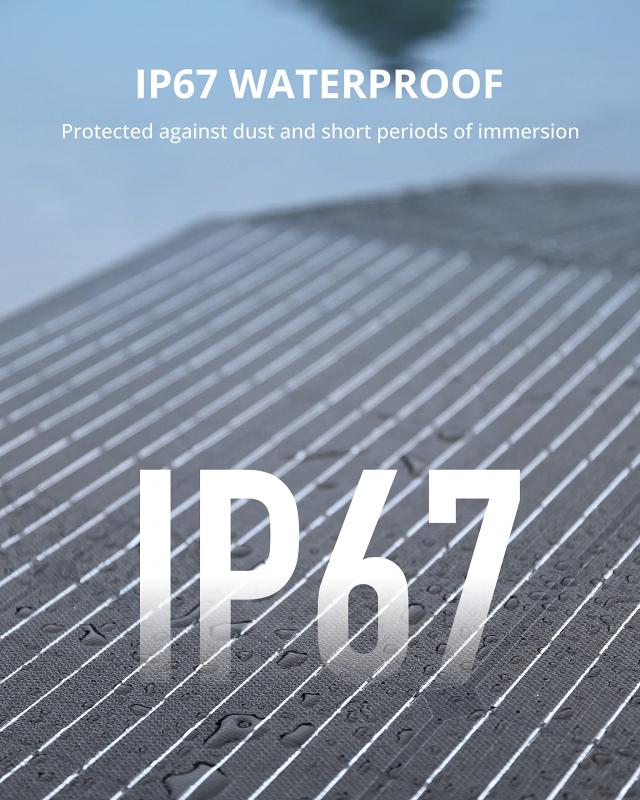
1. Quality of Materials and Manufacturing
The quality of the materials used in the production of solar panels plays a significant role in their longevity. High-quality panels are typically made from durable materials that can withstand harsh weather conditions and prolonged exposure to sunlight. Additionally, reputable manufacturers often employ rigorous testing and quality control measures to ensure their panels meet high standards.
2. Type of Solar Panel
There are different types of solar panels, including monocrystalline, polycrystalline, and thin-film panels. Monocrystalline panels are known for their high efficiency and durability, often lasting longer than their polycrystalline and thin-film counterparts. While polycrystalline panels are generally less expensive, they may not last as long as monocrystalline panels. Thin-film panels, on the other hand, have a shorter lifespan but are more flexible and lightweight.
3. Installation Quality
Proper installation is crucial for the longevity of solar panels. Poor installation can lead to issues such as water leakage, electrical problems, and physical damage to the panels. It is essential to hire experienced and certified installers who follow industry best practices to ensure the panels are securely and correctly mounted.
4. Environmental Factors
The environment in which the solar panels are installed can significantly impact their lifespan. Panels installed in areas with extreme weather conditions, such as heavy snowfall, high winds, or frequent hailstorms, may experience more wear and tear. Additionally, panels in regions with high levels of pollution or saltwater exposure may degrade faster. Regular cleaning and maintenance can help mitigate some of these environmental impacts.
5. Maintenance and Upkeep
Regular maintenance is key to ensuring the longevity of solar panels. This includes cleaning the panels to remove dirt, dust, and debris that can obstruct sunlight and reduce efficiency. It also involves inspecting the panels and the entire solar system for any signs of damage or wear. Addressing minor issues promptly can prevent them from becoming major problems that could shorten the lifespan of the panels.
Degradation Rate of Solar Panels
Solar panels degrade over time, meaning their efficiency in converting sunlight into electricity decreases gradually. The degradation rate is typically around 0.5% to 1% per year. This means that after 25 years, a solar panel may still produce about 75% to 87.5% of its original capacity. High-quality panels tend to have lower degradation rates, which translates to better long-term performance.
Maximizing the Lifespan of Solar Panels

To get the most out of your solar panels, consider the following tips:
1. Choose High-Quality Panels
Investing in high-quality solar panels from reputable manufacturers can pay off in the long run. These panels are more likely to withstand environmental stressors and have lower degradation rates.
2. Ensure Proper Installation
Hiring experienced and certified installers is crucial for the proper installation of your solar panels. Proper installation minimizes the risk of damage and ensures the panels operate efficiently.
3. Regular Maintenance
Schedule regular maintenance checks to clean the panels and inspect the system for any issues. Promptly addressing any problems can prevent further damage and extend the lifespan of the panels.
4. Monitor Performance
Keep an eye on the performance of your solar panels. Many modern solar systems come with monitoring tools that allow you to track the energy production and efficiency of your panels. Monitoring can help you identify any drops in performance that may indicate a problem.
5. Protect Against Extreme Weather
If you live in an area prone to extreme weather conditions, consider additional protective measures such as installing windbreaks or using protective covers during hailstorms. These measures can help reduce the physical stress on the panels.
The Financial Aspect of Solar Panel Longevity
Understanding the lifespan of solar panels is essential for calculating the return on investment (ROI) for a solar energy system. While the initial cost of solar panels can be high, their long lifespan and the savings on electricity bills can make them a cost-effective solution over time. Additionally, many regions offer incentives, tax credits, and rebates for installing solar panels, further improving the financial viability of solar energy.
Environmental Benefits
The environmental benefits of solar panels extend beyond their lifespan. By reducing reliance on fossil fuels, solar panels help decrease greenhouse gas emissions and combat climate change. Even after their efficiency declines, solar panels can still contribute to a cleaner environment by producing renewable energy.
Solar panels are a long-term investment that can provide significant financial and environmental benefits. While the typical lifespan of a solar panel ranges from 25 to 40 years, various factors such as quality, installation, environmental conditions, and maintenance can influence their longevity. By choosing high-quality panels, ensuring proper installation, and performing regular maintenance, you can maximize the lifespan and efficiency of your solar energy system. Understanding these factors will help you make informed decisions and get the most out of your investment in solar technology.