How Many Lenses Do Binoculars Have?
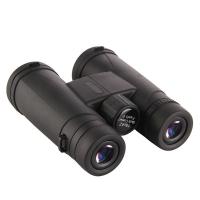
Binoculars, a staple for enthusiasts of bird watching, stargazing, and outdoor events, are fascinating devices that combine practicality with the complexity of optical science. Understanding their construction, specifically the number and type of lenses they contain, is central for anyone seeking to appreciate or invest in these tools. While the number of lenses in binoculars can vary depending on their design and purpose, let's delve into the details to provide a comprehensive understanding.
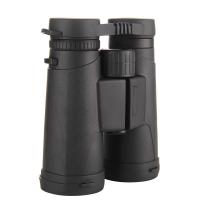
At the heart of binoculars is their optical system, comprising two primary lens barrels. Each of these barrels typically contains several lenses and prisms working together to provide clear, magnified images of distant objects. Understanding how these components function can enrich your knowledge of binocular technology and guide you in selecting the right binoculars for your needs.
Basic Components of Binoculars
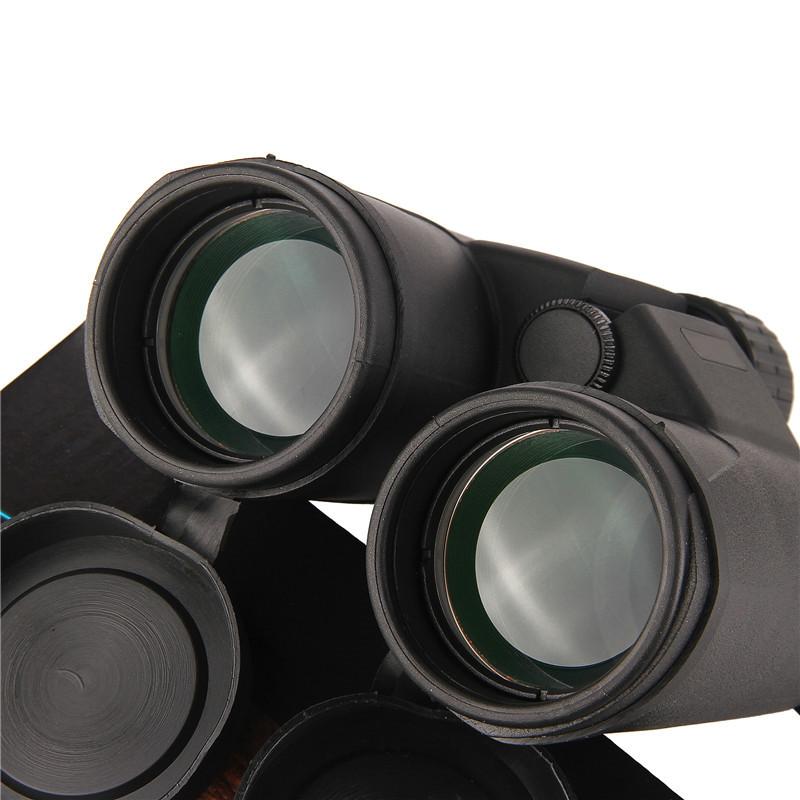
1. Objective Lenses:
- The front lenses, known as objective lenses, are crucial in binoculars. They are primarily responsible for collecting light from the object being observed and focusing it into the binoculars. Each barrel of a typical pair of binoculars contains one large objective lens, meaning there are two objective lenses in total.
2. Prisms:
- Prisms are necessary to correct the orientation of the image. Without prisms, the image would appear upside down and backwards. Binoculars generally use one of two types of prism systems: Porro prisms or roof prisms. Each system uses two prisms per tube, so binoculars typically include four prisms in total.
3. Eyepiece Lenses:
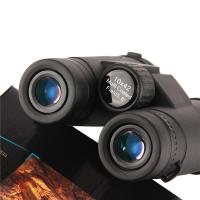
- Also referred to as ocular lenses, these lenses are where the image is magnified to be viewed by the user. Similar to the objective lenses, there is one eyepiece lens for each barrel, resulting in two eyepiece lenses in total.
4. Additional Lenses:
- In some higher-end models, additional lens elements are included to correct for spherical aberrations or to provide extra magnification capabilities. These additional lenses can vary, but a typical pair with advanced optical systems might use two or more extra lenses per side.
The Summation of Lenses in Typical Binoculars

To put it simply, each side of a pair of binoculars will typically include the following:
- One objective lens
- Two prisms
- One eyepiece lens
Thus, a standard pair of binoculars contains at least four lenses per barrel, which totals to eight lenses overall including prisms. In binocular models designed with advanced optics and additional glass elements to improve image quality, the actual number of lenses can be higher.
Exploring Binocular Design Variations
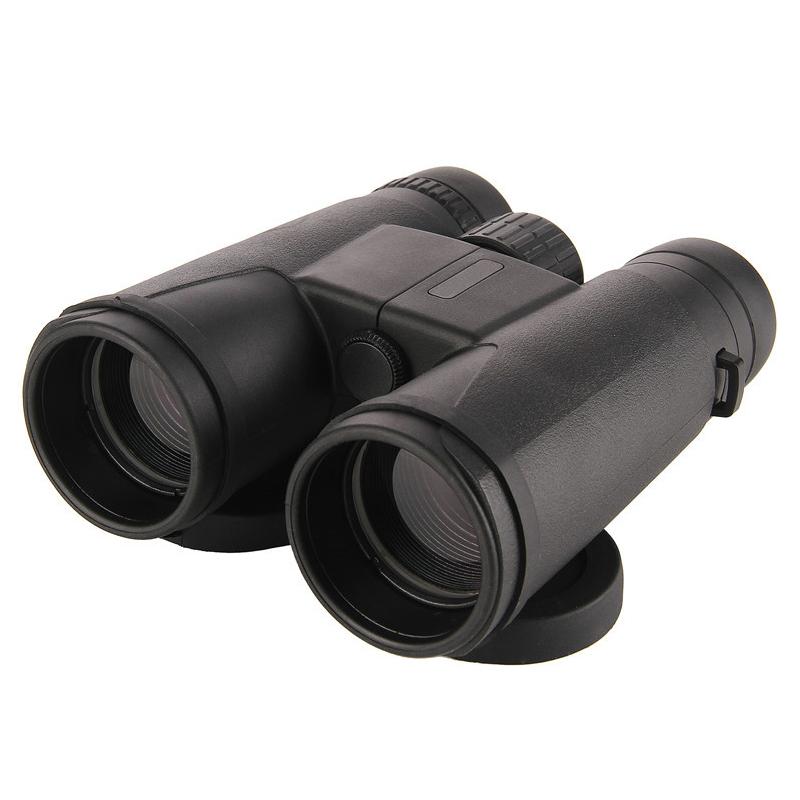
1. Porro Prism Binoculars:
- Porro prism binoculars are known for their distinctive zig-zag shaped design, which requires a different arrangement of lenses and prisms. This design typically leads to better depth perception and a wider field of view. Although they can be bulkier, they effectively utilize the above-discussed lens and prism counts.
2. Roof Prism Binoculars:
- Roof prism binoculars have a straight-barrel design, often prioritized for compactness and ease of handling. They also contain the same number of lenses and prisms, but these components are arranged differently to give a slender profile. Roof prism binoculars generally offer higher-quality optics but often at a steeper price due to the complexity of aligning such prisms.
3. High-End and Specialty Binoculars:
- In high-end binoculars or those designed for specific uses like astronomy or marine activities, additional lens elements might be incorporated. These elements could include extra low dispersion (ED) lenses to improve color corrections or achromatic doublets that enhance clarity and brightness.
Binoculars and Image Quality
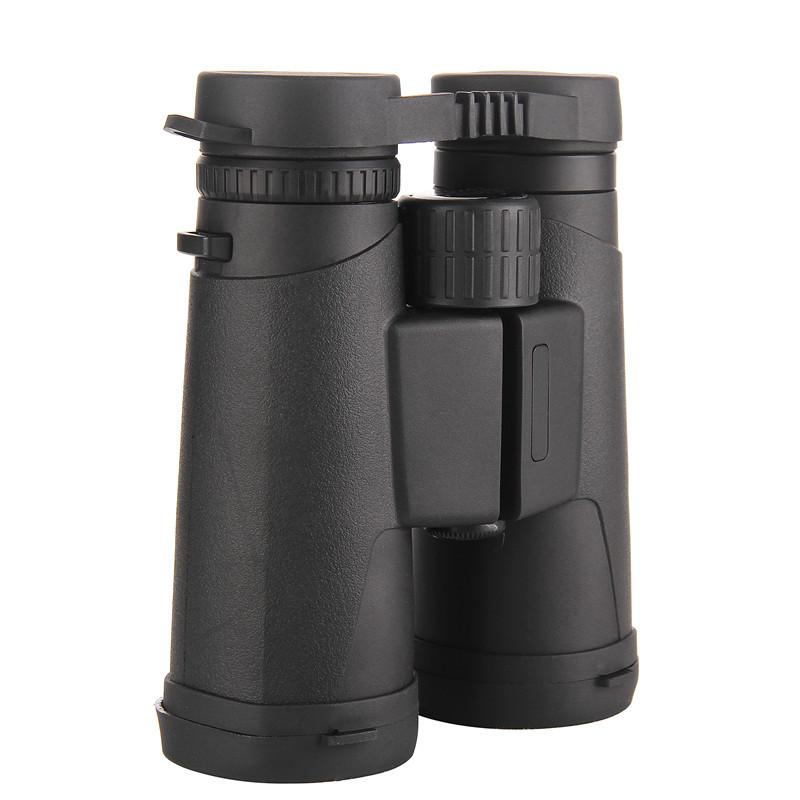
The effectiveness and quality of a pair of binoculars are significantly influenced by the optical enhancement and coatings applied to these lenses. High-quality binoculars will often have multi-coated lenses that offer superior light transmission, clearer images, and enhanced contrast. While the fundamental number of lenses plays a role in design, these enhancements are what often distinguish professional binoculars from basic models.
Practical Considerations for Choosing Binoculars
When considering a purchase, the number of lenses isn't the only factor to evaluate. Here are other key elements to think about:
- Magnification and Objective Lens Size:
- Typically denoted as a pair of numbers like 10x42, these figures represent the magnification power and the diameter of the objective lenses. While higher magnification offers a more detailed image, it may also reduce the field of view and increase image shakiness.
- Field of View:
- This is typically measured in feet per 1000 yards or meters per 1000 meters. A wider field of view allows you to observe broader scenes, which is beneficial in activities like wildlife observation.
- Eye Relief:
- Essential for eyeglass wearers, eye relief refers to the distance between the eyepiece lens and your eye while maintaining a full field of view. A longer eye relief can provide more comfort over extended use.
- Waterproof and Fog-Proof:
- Especially critical for those who will use binoculars in varying weather conditions, having devices that are waterproof and fog-proof ensures longevity and reliability of optics.
Understanding the number and configuration of lenses and other optical components in binoculars helps demystify how these devices work and assists users in making informed purchasing decisions. Whether you are selecting binoculars for bird watching, hunting, or astronomical surveying, knowing the technical details allows for a more tailored choice that can deliver the desired performance. Binoculars are not just tools but an extension of vision, providing clarity, detail, and a closer view of the world. So next time when considering a pair, remember the intricate dance of lenses and prisms that make it all possible. Consider the quality, the coatings, the design—each detail enhancing the clarity through which you observe and enjoy the world around you.