Which Security Camera?
How to Choose the Right Security Camera for Your Needs
When it comes to safeguarding your home, office, or any other property, security cameras have become a cornerstone of effective protection. In recent years, technological advancements have made it easier than ever to access high-quality security systems, whether for residential, commercial, or industrial purposes. However, with so many options available, selecting the right security camera can feel overwhelming. From understanding the various features to evaluating your specific requirements, this article will guide you through the decision-making process with actionable advice.
Understanding Your Security Needs
The first step in choosing the right security camera is to clearly define your needs. Asking yourself the following questions can help set the foundation for your decision:
Why do I need a security camera? Are you looking to monitor your home, deter burglars, keep an eye on pets, or check in on business operations?
What areas need surveillance? Consider indoor versus outdoor spaces, entry points, parking areas, or rooms with valuables.
What level of detail do I require? A higher resolution may be important for identifying faces, license plates, or small objects in detail.
There are several types of security cameras, each with unique features designed for specific applications. Below, we’ll delve deeper into each category.
Common Types of Security Cameras
1. Indoor Security Cameras
Indoor cameras are designed for monitoring the interior spaces of a property. They typically feature:
- Compact designs that blend with décor
- Lower weatherproof ratings compared to outdoor cameras
- Options for two-way audio to communicate with occupants
These cameras are ideal for watching over living rooms, bedrooms, or offices.
2. Outdoor Security Cameras
Outdoor cameras are optimized for resilience in harsh environmental conditions. Features include:
- Weatherproof and waterproof designs
- Infrared night vision for low-light conditions
- Wider field of view to cover larger areas
If you’re monitoring driveways, gardens, or storefronts, an outdoor camera is essential.
3. Doorbell Cameras
Doorbell cameras have become synonymous with household security in recent years. Mounted on or near front doors, they’re perfect for:
- Monitoring deliveries and visitors
- Protecting entry points
- Combining convenience with security via smartphone notifications
4. PTZ Cameras (Pan, Tilt, Zoom)
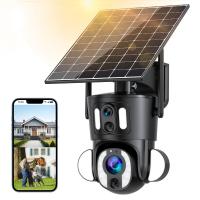
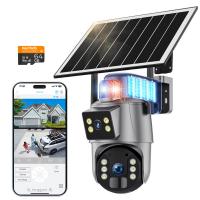
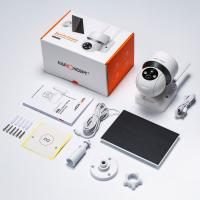
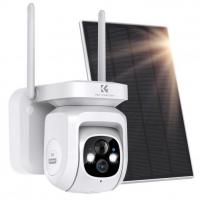
PTZ cameras give you greater control over surveillance. These cameras enable you to adjust their position remotely to pan across an area, tilt up and down, or zoom in on specific objects. They’re particularly suited for:
- Larger spaces like parking lots and warehouses
- Situations that require real-time responsiveness
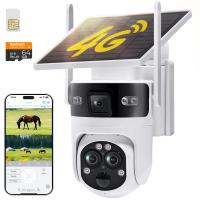
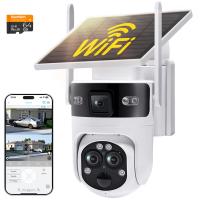
5. Wireless and Wi-Fi Cameras
Wireless cameras eliminate the hassle of cumbersome cables, making installation easier. Key advantages include:
- Accessibility via smartphone or tablet apps
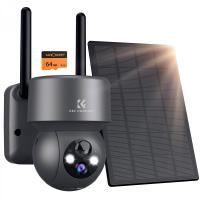
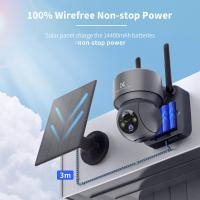
- Flexibility for placement in areas without access to wired power
Ideal for modern smart homes, these cameras seamlessly integrate with home automation systems.
6. Hidden/Spy Cameras
For discreet monitoring, hidden cameras are a viable option. Often camouflaged as everyday objects like clocks or smoke detectors, they’re useful for:
- Monitoring nanny or caregiver activities
- Enhancing security without drawing attention
Key Features to Consider
Once you've identified the type of camera you need, you'll want to examine the features that best suit your requirements.
Resolution and Image Quality
Security camera resolutions typically range from 720p (HD) to 4K (Ultra HD). Higher resolution ensures sharper images, making it easier to identify faces or read license plates. However, higher resolution often requires increased storage and bandwidth.
Field of View
The field of view determines how wide an area the camera can cover. For large spaces, opt for cameras with a wide-angle view or PTZ capabilities.
Storage Options
Storage is crucial for recording footage. Cameras generally offer:
Cloud storage: Secure and accessible anywhere, but often requires subscription fees.
Local storage: Using SD cards or hard drives, this option is cost-effective but less flexible compared to the cloud.
Night Vision
Use cameras with infrared or low-light sensors to capture clear footage at night. Night vision is particularly critical for outdoor cameras and areas with poor lighting.
Connectivity
Many modern cameras can connect to Wi-Fi networks, allowing you to monitor live feeds via smartphone apps. Wired connections may provide a more stable connection, but they limit placement flexibility.
Motion Detection
Motion sensors can trigger recording only when movement is detected. Not only does this reduce storage use, but it can also send you real-time alerts.
Two-Way Audio
This feature allows communication via the camera. For example, you can talk to delivery personnel or warn intruders to leave.
Price and Budget
Security cameras come in a wide range of prices. Entry-level options may cost as little as $50, while high-end systems with multiple cameras can reach thousands of dollars. Determine your budget before diving into technical specifications.
Comparing Brands and Models
There are several trusted security camera brands on the market, each of which offers unique advantages. Some top players include:
Arlo: Known for its wireless systems and long battery life
Ring: Specialized in doorbell cameras with smart home integrations
Nest: Great for users of Google’s ecosystem, with intuitive app controls
Lorex: Solid options for 4K resolution and advanced features
Reolink: Affordability combined with high functionality
Research reviews and customer feedback for the model you’re considering. Often, user experiences reveal practical insights that aren’t obvious in technical manuals.
Installation Considerations
The ease of installation is another critical factor in security camera selection. Wireless cameras are simpler and faster to set up compared to wired systems, but they may require recharging or ongoing battery maintenance.
For cameras requiring wiring:
- Ensure proper access to power outlets or electrical systems.
- Hire a professional installer if the process seems overly complex or time-consuming.
Privacy and Security Concerns
While security cameras help protect your property, they can also inadvertently lead to privacy concerns. Take these steps to ensure your camera system is ethically used and well-protected:
- Avoid placing cameras in private areas like bathrooms or changing rooms.
- Use encrypted storage options to prevent hackers from accessing footage.
- Regularly update firmware to avoid security vulnerabilities.
Making the Final Decision
Now that you've gathered the foundational knowledge, here’s how to proceed:
1. Assess Your Needs: Determine where and why you need cameras.
2. Set a Budget: Balance essential features with your financial constraints.
3. Compare Models: Research and shortlist brands and cameras based on your requirements.
4. Decide on Monitoring: Choose between self-monitoring via smartphone apps or subscribing to professional monitoring services for enhanced security.
5. Plan Installation: Decide whether you'll opt for DIY installation or professional support.
The security camera you choose will ultimately depend on your individual needs, preferences, and budget. Whether you’re looking for an affordable indoor camera to watch over your living room or a sophisticated outdoor system to guard every inch of your property, there’s an option for everyone. As you move forward with your purchase, prioritize essential features like resolution, connectivity, and night vision.
Investing in the right security camera is not just about protecting your property—it’s about gaining peace of mind. With the comprehensive guide above, you’re well-equipped to make an informed decision that aligns with your unique situation and goals. No matter which camera you choose, the key is to take proactive steps in ensuring the safety and security of your home or business. Start by analyzing your spaces today, and you’ll soon reap the benefits of a reliable surveillance system that keeps you and your loved ones secure.